Cannabis Control Commission appeal: Inside the License Ruling
All eyes are on the Cannabis Control Commission appeal after a recent court ruling threw Rhode Island’s legal cannabis licensing process into limbo. The commission’s decision to fight this court halt is shaking up market expectations, investor plans, and social justice advocates who see legalization as more than just a bottom line. Right now, the Cannabis Control Commission appeal matters because it highlights both regulatory tension and the public’s demand for a fair, transparent cannabis market. We’ll break down why this legal showdown is more than just court drama—and what’s at stake for everyone from small business hopefuls to longtime advocates.
Understanding the Regulatory Landscape: The Roots of the Cannabis Control Commission Appeal
To really understand the Cannabis Control Commission appeal, you need to know how cannabis laws, public policy, and social equity movements have shaped the Rhode Island market. Rhode Island officially launched its legal recreational cannabis market in December 2022, following a wave of East Coast states enacting similar reforms (Marijuana Moment). The Cannabis Control Commission was created to license operators and ensure a fair marketplace. However, the patchwork of local ordinances, federal-state legal contradictions, and concerns over equity have made rollouts trickier than assembling flat-pack furniture after a long session. For an in-depth look at the specific barriers that have held back Rhode Island’s market, see what’s really holding us back in Rhode Island cannabis licensing.
This legal wrangling isn’t just bureaucratic. Local applicants, especially those from communities hit hard by past cannabis prohibition, rely on these decisions. As the Marijuana Policy Project points out, delays and inconsistent enforcement hit the most vulnerable players the hardest. The Cannabis Control Commission appeal embodies the tug-of-war between moving quick enough to meet demand and ensuring that new regulations don’t just bake in old injustices. So, while courtrooms hash it out, real people hang in the balance, either for justice or just a shot at opening their shop.
Key Developments: From Closed-Door Meetings to Courtroom Showdowns
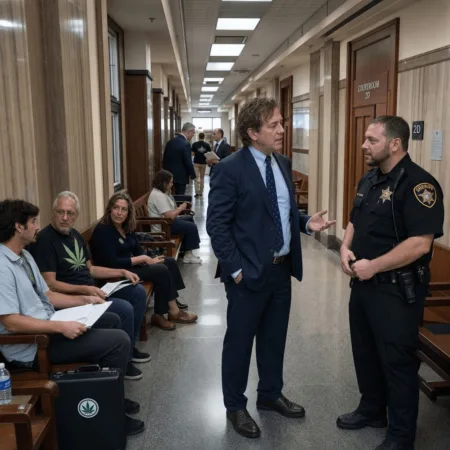
The real drama behind the Cannabis Control Commission appeal kicked off after a Providence Superior Court judge issued an order halting the issuance of new cannabis licenses. The reason, allegations surfaced about a possibly illegal closed-door meeting held by the commission. According to Rhode Island Current, critics argue the meeting violated state open meetings laws, casting doubt on recent regulatory moves.
This halt came at a critical moment. Applications from dozens of budding entrepreneurs were pending, many of whom had already invested thousands prepping for potential licensure. The commission swiftly filed its Cannabis Control Commission appeal, arguing that the court’s order risked further stifling legal cannabis growth and undermined months of stakeholder engagement. The appeal specifically challenges the judge’s interpretation of “executive session” guidelines. As reported on Ganjapreneur, similar disputes have rattled other state markets, but this case is unique for both its timing, on the eve of a scheduled license rollout, and the level of public scrutiny. If upheld, the ruling could impact dozens of existing applicants and freeze Rhode Island’s progress while other states surge ahead. Understanding how other markets adapt and implement safety protocols, like those seen recently in Maine’s cannabis testing overhaul, offers valuable perspective on best practices.
According to recent legal filings, the commission’s legal team insisted that the meeting was properly convened and necessary to discuss confidential matters. Industry observers note that, without a successful Cannabis Control Commission appeal, delays could extend well into 2025, contradicting early state projections for a robust new market this year.
Expert Analysis: Rethinking Progress and Problems in Cannabis Regulation
The Cannabis Control Commission appeal is more than procedural, it’s about the pace and fairness of legalization. National observers point out that disputes over transparency aren’t rare in the cannabis industry, but high-stakes battles like this signal maturity. According to Leafly senior editor David Downs, “Transparency and strong process are finally taking center stage as markets mature. But let’s not lose sight of why people fought for legalization in the first place, safe access and restorative justice.” That’s real talk from a trusted voice in cannabis reporting. For additional insight into how market trends highlight progress and persistent challenges, look at surprising trends in Vermont’s cannabis data.
These regulatory speedbumps can seem frustrating for entrepreneurs and patients alike. But, as NORML points out, the growing pains highlight the need for clear, consistent rules and open dialogue. The Cannabis Control Commission appeal demonstrates just how central active, public oversight has become. Rather than signaling market failure, it could mark the start of smarter regulatory processes for the next phase of legal cannabis in Rhode Island and beyond.
Of course, this also prompts introspection for advocates: Are state agencies equipped to balance speed with fairness, secrecy with accountability?
The Road Ahead: Turning Challenges into Opportunities for Cannabis in Rhode Island
As the Cannabis Control Commission appeal moves through the courts, everyone from dispensary hopefuls to longtime activists is watching closely. History shows that delays shake up market entry, but they also push regulators to get it right for long-term growth. Rhode Island’s struggle mirrors national trends, but the optimism is real—according to New Frontier Data, states that invest in transparency and equity ultimately see steadier industry expansion and stronger public trust.
The Cannabis Control Commission appeal is a necessary test. However the court rules, expect Rhode Island to emerge with sharper processes, more engaged advocacy, and a cannabis market that—eventually—delivers on the promise of legalization. As the stigma fades and social equity gets real, the state is poised to shape the next chapter of legal cannabis in America.
Originally reported by: rhodeislandcurrent.com