



Rhode Island cannabis licensing: What’s slowing progress?
Rhode Island cannabis licensing has become a front-and-center issue for cultivators, entrepreneurs, and advocates alike. With legalization heating up across the Northeast, all eyes are on how Rhode Island handles its rollout. But progress is dragging, cultivators are frustrated, and applicants find themselves lost in a maze of paperwork and bureaucracy. So, what’s causing the holdup? Let’s dive into the key factors behind these licensing delays, what’s at stake, and why this topic is crucial right now for everyone who cares about Rhode Island’s cannabis future.
The Regulatory Landscape: Understanding Rhode Island’s Licensing Maze
Rhode Island’s approach to cannabis reform hasn’t been the fastest, but it’s steeped in careful regulatory steps and fierce public debate. Since legalizing recreational cannabis in 2022, the state has tried to balance public safety, equity, and healthy market growth. However, the transition from medical-only to full adult-use access created new hurdles. The Rhode Island Cannabis Control Commission (CCC) is at the heart of this, mandated to license new cultivators and ensure transparency, according to state regulatory reports from RI.gov. Social equity applicants, legacy growers, and aspiring entrepreneurs are all waiting for fair access, but the system’s pace is leaving many unsure about their futures. Statutory requirements, detailed background checks, and community impact plans all add to the paperwork quagmire. Meanwhile, neighboring states like Massachusetts have already built robust markets, as highlighted in Massachusetts CCC updates, putting pressure on Rhode Island to catch up while getting it right. The situation draws parallels to recent moves in testing and regulatory assurance, as seen with new testing standards passed in Maine.
Current Licensing Woes: Cultivators Speak Out, Commission Faces Scrutiny
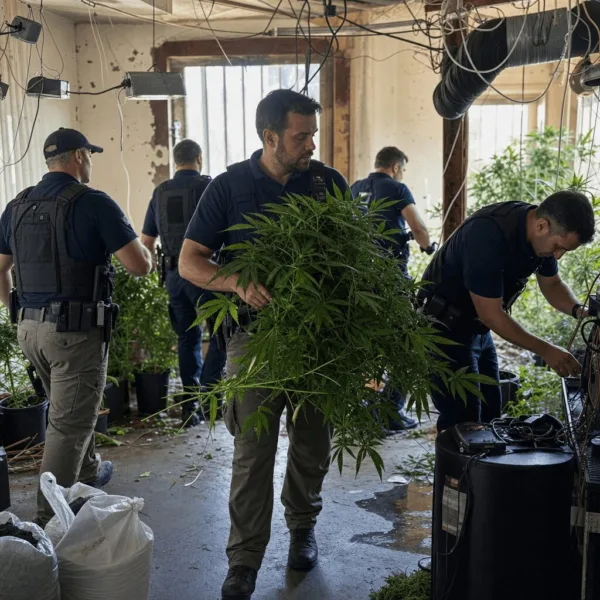
On April 14, 2026, according to detailed reporting by the Providence Journal, Rhode Island cannabis cultivators and applicants voiced their mounting frustration over stalled licensing with the Cannabis Control Commission. Many described the process as unclear and slow, despite the state’s adult-use legalization nearly four years ago. Cultivators who invested early in infrastructure, renting space, buying equipment, hiring staff, are now feeling the financial squeeze from indefinite delays. The CCC, established to regulate applications and prevent market overload, has so far approved only a handful of new cultivation licenses. Industry forums report that applicants face lengthy review times, requests for additional documentation, and shifting requirements that often create confusion. Social equity applicants in particular have called out these barriers as stifling minority business opportunities. Despite repeated meetings and official updates, the path forward remains uncertain, with stakeholders demanding greater transparency and predictable timelines from the CCC, as noted in local legal analyses by GoLocalProv. Meanwhile, established dispensaries and larger multi-state operators continue to dominate early market share, putting independent growers at a disadvantage—a theme echoed by cannabis industry publications like Marijuana Moment. Regulatory challenges and licensing issues also echo the struggles faced by patients in other markets, such as the evolving landscape for medical marijuana hospitals in Pennsylvania.
What’s Really Happening: Expert Analysis & Grassroots Wisdom
What do these Rhode Island cannabis licensing headaches mean for the broader industry, and can we learn from other states’ growing pains? Many experts say yes. According to seasoned cannabis attorney Lauren Rudick, quoted in Cannabis Business Times: “Transparent, timely licensing isn’t just red tape, it’s what decides industry winners and losers.” That rings especially true as social equity applicants are left in limbo. The delays are symptomatic of larger issues: regulatory agencies are often understaffed, wary of creating an oversupplied market, and juggling complex political expectations. Multi-state operator dominance also isn’t unique to Rhode Island, as similar struggles have been ongoing in states like New York and Illinois, as documented by NORML. Every month the state waits to license new cultivators, the gray market thrives and consumers lose faith in the legal rollout. Yet with smart reform, adequate resources, and genuine community engagement, Rhode Island cannabis licensing reform could still sidestep some of the pitfalls seen elsewhere and build a truly inclusive market. Community innovation and the importance of supporting minority-owned businesses are highlighted by the impact made by Black-owned dispensaries in places like Brooklyn. As always, “slow and steady” must actually mean steady, not stuck.
The Road Ahead: Clearing the Path for Rhode Island Cannabis Licensing
While the current licensing slowdown is frustrating, there’s reason to remain optimistic, especially as the spotlight grows on equity and innovation. According to the MJBizDaily industry outlook, states that tackle regulatory bottlenecks tend to rebound with more robust and diverse markets. For Rhode Island, this moment offers a unique chance to set industry standards that reflect its local values. With sustained pressure from advocates and lessons borrowed from neighboring states, it’s entirely possible for Rhode Island cannabis licensing to evolve into a national model of fairness, sustainability, and access. Let’s keep the conversation going, support local cultivators, and push for solutions that benefit everyone—because a smoother, more equitable system is within reach, and the Bay State has never been afraid to blaze its own trail.
Originally reported by: providencejournal.com


2 Comments
Pingback: Explore the Cherokee marijuana dispensary inside the Nation
Pingback: Cannabis Control Commission appeal: Inside the License Ruling