





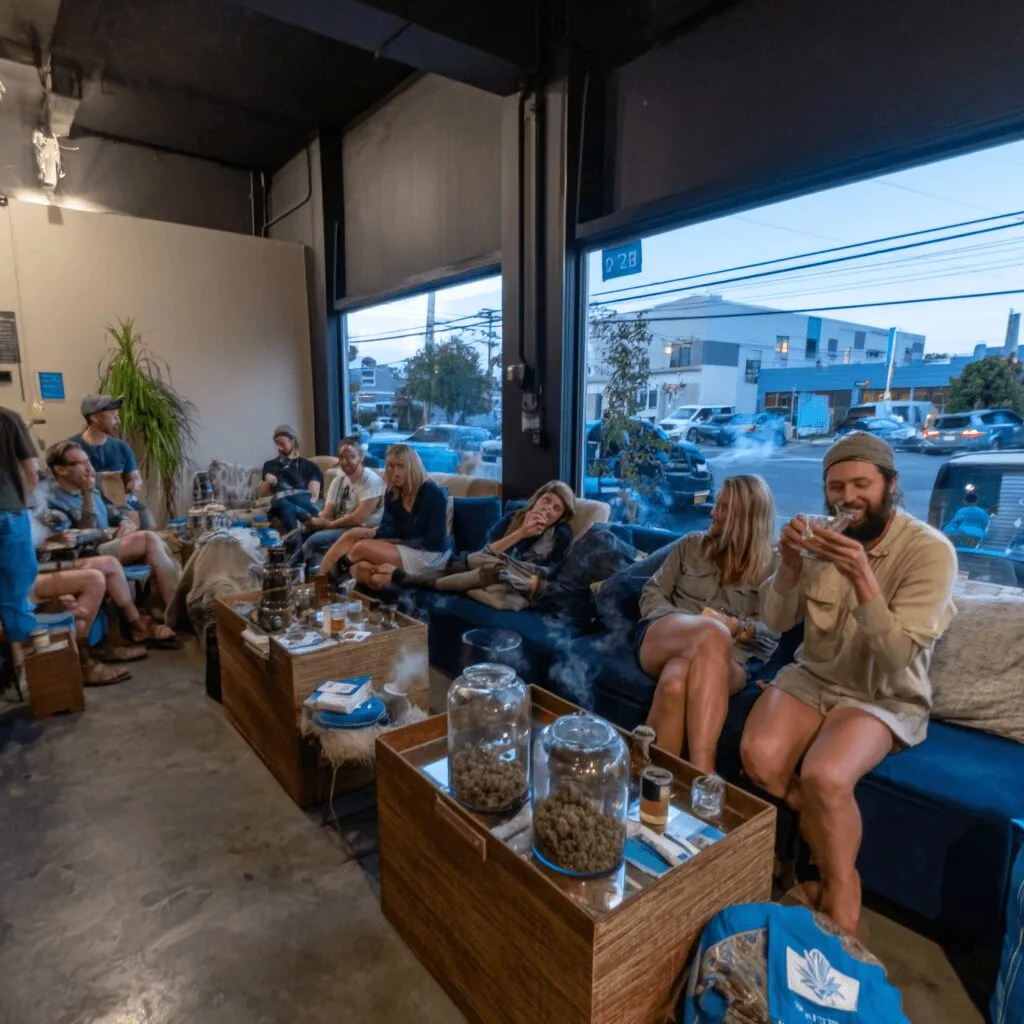
Cannabis Hospitality Lounges: Will the South Coast Join In?
The buzz surrounding cannabis hospitality lounges is louder than ever. With legalization efforts sweeping the U.S., these lounges are the new frontier in social cannabis culture. As cities everywhere warm up to public cannabis spaces, the South Coast is in the hot seat: Will it embrace these next-gen hangouts? From evolving laws to changing cultural tides, the stakes have never been higher. Here’s what’s really going down with cannabis hospitality lounges, and why everyone’s watching the South Coast right now.
The Legal Roots and Cultural Growth of Cannabis Hospitality Lounges
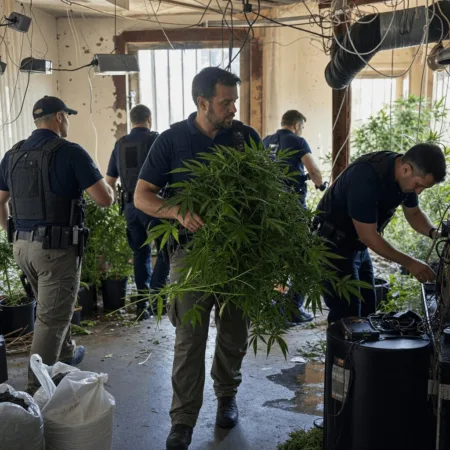
The U.S. cannabis scene is evolving, with developments not unlike those seen in other dynamic regional markets. Long gone are the days when consumption was limited to private homes. Now, cannabis hospitality lounges are popping up nationwide, giving adults a designated, social place for consumption. According to leading industry news outlet MJBizDaily, these spaces remain tightly regulated in most states. Massachusetts, for example, only recently opened doors for cannabis lounges, years after legalizing adult-use. The legal shift reflects shifting public opinions as support for open-use venues grows, especially in progressive regions. Yet municipal opt-in remains complex. Each locality, like those along the South Coast, must vote to allow or deny these lounges, meaning local culture, politics, and community values all shape cannabis policy. According to NORML, this patchwork makes access uneven but also tailors legalization to local interests, for better or worse. This kind of regionally influenced regulation can be compared to how some locales have responded to hemp bans after high-profile enforcement actions, as in Sutter County where police raids have left local farmers uncertain about their future.
What’s Happening Now: Key Developments and Issues on the South Coast
The South Coast is approaching a critical decision point on cannabis hospitality lounges, with impactful legal changes on the horizon. In March 2024, the Massachusetts Cannabis Control Commission (CCC) confirmed new regulations making local cannabis lounges legal, but only if each city or town chooses to opt in. This means New Bedford, Fall River, and others along the South Coast must decide if these spaces fit their communities. As reported by The New Bedford Light, many local leaders are weighing public feedback and economic arguments. Several entrepreneurs, including the founders of South Coast Cannabis Cafe, have reportedly submitted proposals for pilot sites, betting on tourism and local demand. However, some city councilors have called for strict local controls, raising concerns familiar to communities adjusting to new industries—much like the experience of Ann Arbor, where recent zoning changes affected the landscape for dispensaries. No South Coast municipality has officially voted to allow cannabis hospitality lounges yet, but public forums and council sessions are in full swing. The CCC, meanwhile, is refining guidelines around security, ventilation, and operating hours, drawing from models in Colorado and California. Social equity remains central, and applications from minority and local entrepreneurs receive priority, according to CCC legal filings from April 2024.
Expert Analysis, Industry Insights, and Pro-Cannabis Counterpoints
The momentum for cannabis hospitality lounges is hard to ignore. Industry advocates point to strong consumer demand and successful pilots in western states. According to Leafly‘s recent feature, lounges create jobs, boost tourism, and normalize responsible consumption. Kristi Kelly, executive director at the Marijuana Industry Group, sums it up: “Hospitality lounges offer both economic benefits and social justice opportunities, they destigmatize safe use while supporting local communities” (Leafly). Opponents often cite impaired driving and nuisance concerns. However, studies in Colorado and Nevada show lounges with clear guidelines and trained staff improve public safety by keeping consumption off the streets (see Denver Post). Similar to how responsible cannabis practices are emerging in places where youth use and cultural attitudes evolve together—such as shown in recent data on youth nicotine and cannabis smoking—public education and regulation are essential. Plus, by giving equity applicants priority and rigorous licensing, Massachusetts is actively addressing historic injustices. Local legislator Ann B. Williams was quoted recently: “Regulated public cannabis spaces are the logical next step. We can address real concerns through smart regulation rather than outright bans.”
Future Outlook: The Promise of Cannabis Hospitality Lounges on the South Coast and Beyond
The South Coast has a genuine shot at leading the next chapter of cannabis culture. As the legal framework stabilizes and cities debate the merits, all eyes are on local leaders and community advocates. If implemented thoughtfully—with robust training, equity incentives, and clear safety protocols—cannabis hospitality lounges could be the region’s next big social and economic boost. Nationwide, regulated consumption lounges signal a big leap forward for cannabis acceptance. According to Business Insider, the cannabis industry is set to grow to $40 billion by 2028, with hospitality venues playing a key role in normalization. South Coast residents, entrepreneurs, and policymakers stand at the crossroads of opportunity and transformation. Cannabis hospitality lounges aren’t just about safe consumption—they’re about vibrant communities, fresh economic energy, and a fairer future for everyone.
Originally reported by: newbedfordlight.org
2 Comments
Pingback: North Charleston traffic stop uncovers dramatic twist
Pingback: US cannabis regulation changes: What’s next for the industry?