





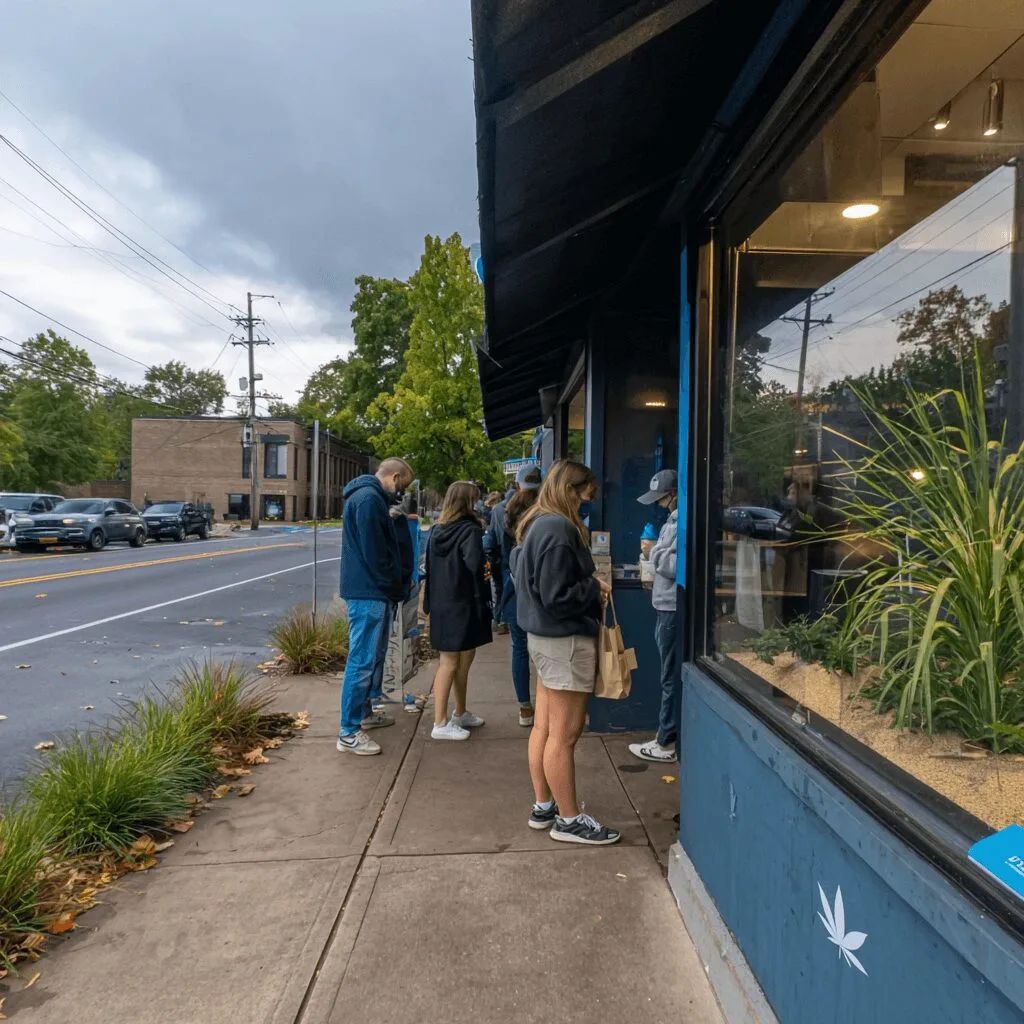
Ann Arbor dispensary zoning: What you must know now
Ann Arbor dispensary zoning just hit the headlines—and trust me, it matters if you’re following cannabis policy or retail trends in Michigan. With local ordinances getting a major update, dispensaries and neighbors are recalibrating. How close is too close to a school, and what does this mean for the community and budding businesses? Let’s break it down, exploring what’s new, why it matters, and how this shapes the future for cannabis in Ann Arbor.
Understanding Ann Arbor Dispensary Zoning: Historical & Legal Backdrop
Ann Arbor has long been a cannabis trailblazer, going back to the days of the Hash Bash and early medical dispensary licensing. But the evolving landscape means zoning ordinances are always in flux. Most cities keep a buffer between dispensaries and sensitive locations like schools or parks, in line with state licensing rules. Traditionally, Ann Arbor required a 1,000-foot distance from K-12 schools, mirroring early state recommendations and common national practices (MLive analysis). These rules aim to ease public concern and maintain safe, community-accepted boundaries. However, Michigan’s rapidly growing market, recent legalization wins, and the city’s progressive leanings have put pressure on officials to revisit outdated zoning. According to the Cannabis Regulatory Agency, over 160 municipalities in Michigan now host dispensaries, all juggling compliance and local pushback. State Medical Marijuana Regulations often influence such changes across localities, as discussed in how state-level rulemaking happens in practice. The Ann Arbor dispensary zoning debate sits at this intersection, balancing growth and access with tradition and community caution.
Key Developments & Issues: Ann Arbor Dispensary Zoning in the Spotlight
Here’s the nugget: On June 3, 2024, Ann Arbor’s city council voted to amend its dispensary zoning ordinance, slashing the required buffer between licensed cannabis businesses and schools from 1,000 feet to just 100 feet (Michigan Daily report). The vote passed by a narrow margin, 6 to 5, after weeks of heated debate and lively public input. The key players included city council members, representatives from local dispensaries, several neighborhood associations, and advocacy groups for drug-free school zones. This shake-up means businesses like Arbor Wellness and Bloom City Club can now open or relocate much closer to schools, which was previously a legal no-go zone. In many cities, the shifting location of dispensaries near sensitive sites sparks debate about industry oversight—like the ongoing discussion in Buffalo’s cannabis scene detailed at Buffalo’s dispensary changes. Updates are expected to take effect July 2024, giving both new and established operators a chance to file zoning requests or challenge denials. State officials and the Cannabis Regulatory Agency are closely monitoring local feedback and compliance. For more, see local coverage from MLive.
Expert Analysis & Insights: What Does This Mean for Cannabis in Ann Arbor?
Let’s be real: Ann Arbor dispensary zoning isn’t just about maps and distance, it’s about community, equity, and the grind toward normalization. By moving the needle, Ann Arbor signals a shift from knee-jerk caution to evidence-based regulation. This change isn’t happening in a vacuum, as other states experiment with reforms, supported by findings like minimal social risk and economic benefit (Leafly analysis). As Aurora’s dynamic leadership in industry transformation suggests, with their recent executive appointments in international markets, the pace of cannabis policy change is accelerating everywhere. Jane Miller, director at the National Cannabis Industry Association, stated, “Buffer zones that exceed what we require of pharmacies are largely fueled by stigma, not science.” Her sentiments are in line with research: Studies from RAND and public health experts find no credible evidence linking closer dispensary proximity to increased youth use, provided strong operational safeguards are enforced. While cities across the Midwest observe how Ann Arbor dispensary zoning evolves with public sentiment, navigating these nuances will shape the blueprint for equitable industry growth.
Future Outlook & Conclusion: Ann Arbor Dispensary Zoning and Beyond
If you love to see progress, keep your eyes on Ann Arbor dispensary zoning. Despite skeptics, this move could spur economic growth, improve access for medical patients, and reinforce Ann Arbor’s rep as a cannabis-forward community. Michigan’s adult-use market is still booming, with sales topping $3 billion in 2023 according to the Cannabis Regulatory Agency. Sensible, adaptable zoning will help keep that momentum, provided local officials are transparent and responsive. The path won’t be without debate, but when reforms are rooted in data and public engagement, everybody wins. This shift might inspire other Michigan cities—or even states—to rethink their own zoning bottlenecks, paving the way for a safer, fairer, and greener cannabis future statewide. For now, Ann Arbor remains one to watch, as evolving dispensary zoning continues to stir—and shape—national conversations about what legal cannabis should look like.
Originally reported by: michigandaily.com


1 Comment
Pingback: THCA Pre-Rolls Beer: Perfect Pairings at PA Breweries