






State Medical Marijuana Regulations: What You Need to Know Now
Things are moving fast in the world of cannabis law, and right now, State Medical Marijuana Regulations are at the heart of the action. With state commissions making big decisions, everyone—from patients to dispensary owners—is tuning in. This latest meeting signals important shifts, with lawmakers weighing social needs against legal obligations. Looking to find out what’s changing and how it affects you? Dive in for a breakdown of the latest State Medical Marijuana Regulations, the people behind them, and why it all matters.
Understanding the Background: How We Got to Today’s State Medical Marijuana Regulations
Medical marijuana has rolled a long way from its early, shadowy days. Now, Pew Research Center shows an overwhelming majority of Americans support legal access for medicinal use. State Medical Marijuana Regulations reflect not just shifting social attitudes, but evolving evidence on cannabis’ medical potential. Every state sets unique rules around access, dispensary operations, and patient rights. The constant push and pull comes from balancing medical need, social justice, and strict compliance with broader federal frameworks, for current legislative updates see NCSL’s cannabis policy tracker. As part of this shifting landscape, stories involving enforcement and legal issues—like the rural highway cannabis finds in places like Lincoln Parish—highlight how these policies play out on the ground. In 2024, states like Arkansas are front and center as frequent meetings determine the regulatory future. A patchwork of policies remains, but the move toward normalization is as strong as a dab hit on a festival weekend. Social realities, financial stakes, and patient advocacy ensure State Medical Marijuana Regulations stay in the headlines and on legislators’ minds.
The Latest Moves: Key Developments and Burning Issues from the State Medical Marijuana Commission
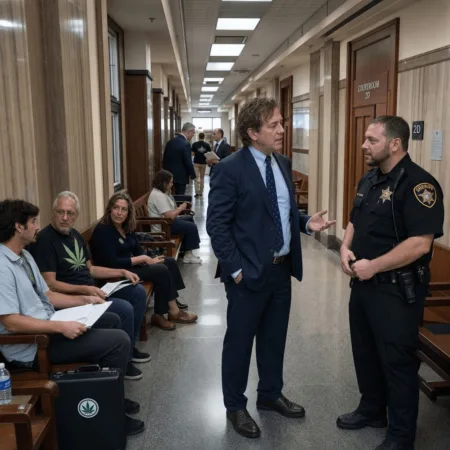
The Arkansas State Medical Marijuana Commission recently made headlines with its mid-December 2025 meeting, as noted by Magnolia Banner News. The commission brought together state officials, patient advocates, dispensary reps, and attorneys to hash out everything from licensing quotas to compliance checks. The central agenda: reviewing current license holders, considering tweaks to qualifying medical conditions, and addressing expansion requests. Meeting notes confirm talk of stricter seed-to-sale tracking and new application requirements for hopeful dispensaries, which mirrors changes seen in states like Illinois and California. This debate regarding evolving patient access and regulatory efficiency resonates with recent stories in the industry, for instance, dispensary closures such as the recent changes affecting Buffalo’s cannabis businesses. Telehealth provisions remain a hot topic for remote consultations, a reflection of how industry innovation interacts with patient needs. Everyone at that table, from patients to providers to state reps, brought their own perspective, yet an overarching goal united them: evolve Arkansas’ State Medical Marijuana Regulations in sync with patient needs and public safety.
Expert Insights: What These State Medical Marijuana Regulations Mean for the Industry
Industry pros and medical advocates see Arkansas’ moves as part of a bigger puzzle. MJBizDaily finds dispensary competition and sales rising since 2023, proving how vital clear regulations are. According to cannabis law specialist Dr. Rashida Henderson, ‘When commissions update rules transparently, trust builds between state regulators, patients, and businesses. That’s the only way this market stays healthy long-term.’ As more states strengthen patient protections, crack down on unlicensed operators, and open doors to those from marginalized communities, the entire industry levels up. In keeping with current research that examines how scientific validation supports medicinal use, platforms for real-world cannabis therapy breakthroughs—like those exploring CBD validations in clinical settings—show why updating regulations is about more than legal language; it’s about practical access, racial equity, and robust oversight. These nuanced changes also make markets more inviting to responsible operators and investors. Lessons from New York’s licensing rollout highlight the need for clear rules, quick problem-solving, and patient-first thinking. A healthy system, as experts stress, values transparency and continuous improvement as much as it values access.
Looking Ahead: State Medical Marijuana Regulations and the Next Chapter
No surprise: the story’s not over. As Arkansas and other states keep updating State Medical Marijuana Regulations, the cannabis community and industry are finding more common ground. Regulators are (finally) listening to patient voices, improving access, and applying hard lessons from elsewhere—think about Oklahoma’s licensing reforms, as tracked by Forbes. Sure, there are still hurdles: federal law’s a sleeping giant, some states are slow, and the stigma lingers. But these honest, open state meetings prove progress is happening in real time—by real people, for real patients. Each new revision of State Medical Marijuana Regulations brings us closer to safe, fair, and effective access for all who need it. The past was rocky, but the future’s looking more like a sunny walk through a greenhouse than a late-night sketchy meet-up. As acceptance grows, regulations mature, and communities organize, the cannabis world’s best days are just ahead—and we’re all invited to the next meeting.
Originally reported by: magnoliabannernews.com


1 Comment
Pingback: Chromatin accessibility in cannabis: Unlocking plant potential