North Charleston traffic stop uncovers dramatic twist
Right now, conversations about legal cannabis and community safety are at a fever pitch—especially after the spotlight hit the recent North Charleston traffic stop. Between heated state policy debates and the expanding legal market, every encounter between law enforcement and cannabis sparks new discussions. This story matters because it blends the complex crossroads of law, public safety, and evolving cultural attitudes. I’ll break down everything you need to know, from what actually went down, to why it matters for cannabis lovers and skeptics alike. If you’ve been following South Carolina cannabis news, you know this is just the latest flashpoint. Let’s dig in.
Behind the Scene: Cannabis Laws, Policing, and the Southern Struggle
To truly grasp the stakes of the North Charleston traffic stop, you need to understand South Carolina’s cannabis climate. Despite massive growth nationwide, with MJBiz Daily reporting billions in legal sales, South Carolina remains restrictive. Recreational marijuana is still a felony here with severe penalties, even for first-time possession. Medical access? Barely exists, as local lawmakers keep hesitating over outdated stigmas and halting reform efforts. According to NORML, even minor possession can mean jail time, while neighboring states move toward full legalization. Elsewhere, new models are emerging that rethink the public face of marijuana, for example, the rise of cannabis hospitality lounges has shown the South Coast how legalization can drive social change. This patchwork of laws creates real tension between progress and daily life. In practice, a routine North Charleston traffic stop can quickly escalate and turn into headline news, with major consequences for everyone involved.
What Went Down: Breaking Down the North Charleston Traffic Stop Event
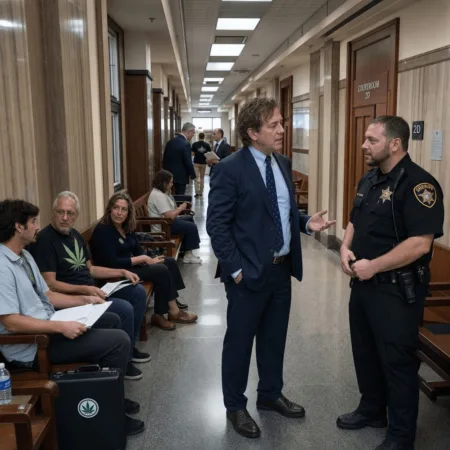
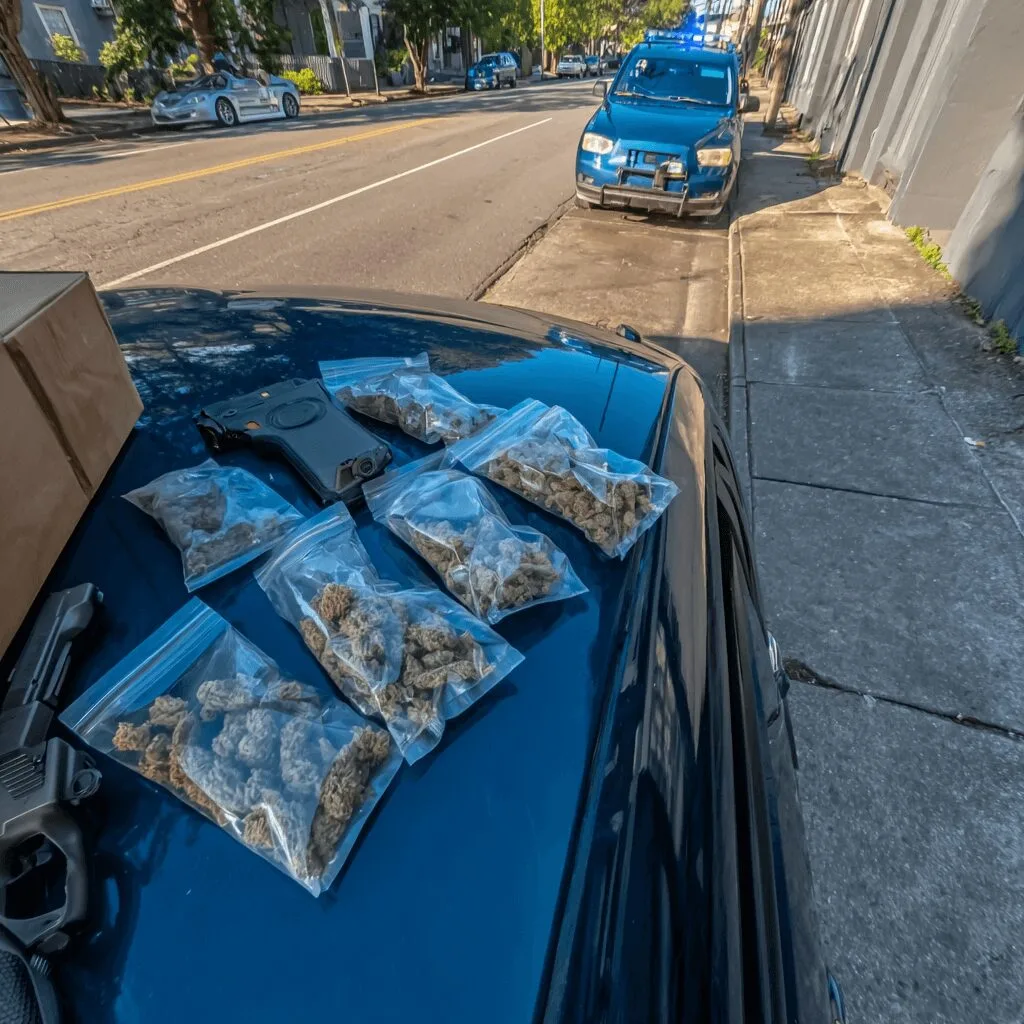
Let’s get specific. According to an official report by Live 5 News, the incident took place on December 8, 2025, as dusk settled over a North Charleston neighborhood. Officers pulled over a car for what started as a standard violation, but the scene grew tense when stolen guns and bags of marijuana appeared on the hood of the vehicle. The police noted that the pot was clearly portioned—implying intent to distribute, which is a much heavier charge than simple possession in South Carolina. Those involved were quickly detained and the evidence seized. Police described this North Charleston traffic stop as a potent reminder of the power of routine patrols. The flashing lights, cluster of cruisers, and gathering crowd made it clear this was not a typical evening. It’s events like these, where South Carolina’s slow progress is thrown into sharp relief, that force discussions about marijuana’s intertwining with other substances, much like how recent youth smoking trends show the evolving landscape of cannabis and nicotine use nationwide.
Expert Analysis: Layered Cannabis Realities and Calls for Smarter Reform
It’s easy to lump cannabis into every police incident, but the truth is more nuanced: both industry and regulation are shifting, and policy should follow. Dr. Ethan Russo, a respected physician and cannabis researcher, made it clear in Leafly, “The overwhelming majority of cannabis use does not lead to violent crime or threaten public safety. Context matters.” Cases like the North Charleston traffic stop are complicated by South Carolina’s hesitant stance on cannabis reform. As long as cannabis is treated as contraband, it benefits the illicit market and can become entangled with unrelated criminal activity. Advocates argue that these incidents bolster the call for smarter regulation, pointing to states where legal frameworks have allowed markets—such as unique cannabis-centric communities—to thrive and even contribute to local culture. Meanwhile, legalization is linked to dropping crime rates according to industry watchdogs, hoping South Carolina will eventually follow suit and free up police resources to focus on issues beyond routine stops.
Looking Ahead: Shifting Attitudes, Real Solutions, and Hope for Reform
The North Charleston traffic stop is more than just another headline—it’s a signpost showing how desperately South Carolina needs a new approach. As public opinion continues swinging in favor of reform (just peek at the latest Pew Research data), smart policy and well-informed policing can reduce risk for everyone. With industry voices and researchers echoing calls for regulatory clarity, the trajectory is clear: the plant’s future is about safety, access, and responsible community impact. For North Charleston and beyond, that means more productive conversations around cannabis, less hype, and a growing confidence that progress is right around the corner.
Originally reported by: live5news.com