




If you’ve been following the legal cannabis conversation, you know things are heating up in Minnesota. The new cannabis cooperative agreement between Governor Walz and Red Lake Nation is making headlines—and for good reason. This hard-hitting deal signals a major shift in state-tribal cannabis collaboration, right as Minnesota’s adult-use market ramps up. Whether you’re a cannabiz old-timer, a policy junkie, or just wondering what this means for access and equity, this story is sparking conversations all over the industry. Let’s break down what the cannabis cooperative agreement means, why it matters, and what changes Minnesotans should expect.
How Minnesota’s Cannabis Cooperative Agreement Changes the Game: Background & Context
Minnesota’s journey toward legal cannabis has been anything but mellow. After years of advocacy, the state approved adult-use recreational cannabis in 2023, following the lead of trendsetters like Colorado and Illinois. But unique to Minnesota? Tribal nations are taking a front seat in shaping the market’s infrastructure through cannabis cooperative agreements. Unlike some states that have sidelined tribal partners, Minnesota’s approach is rooted in dialogue and collaboration. According to the Minnesota Public Radio, the focus has been on balancing state regulatory oversight with tribal sovereignty and prioritizing local input. Social equity is central, reflecting a growing national recognition that restorative justice and access for communities impacted by prohibition must not be an afterthought. Issues around marijuana access in community spaces, similar to those faced when marijuana is found near schools, underscore the importance of policies promoting safety and responsible use. Plus, booming consumer interest and the formal launch of licensed dispensaries set the stage for unique legal and economic opportunities through these agreements.
Key Developments: What’s in the Cannabis Cooperative Agreement Signed by Gov. Walz?
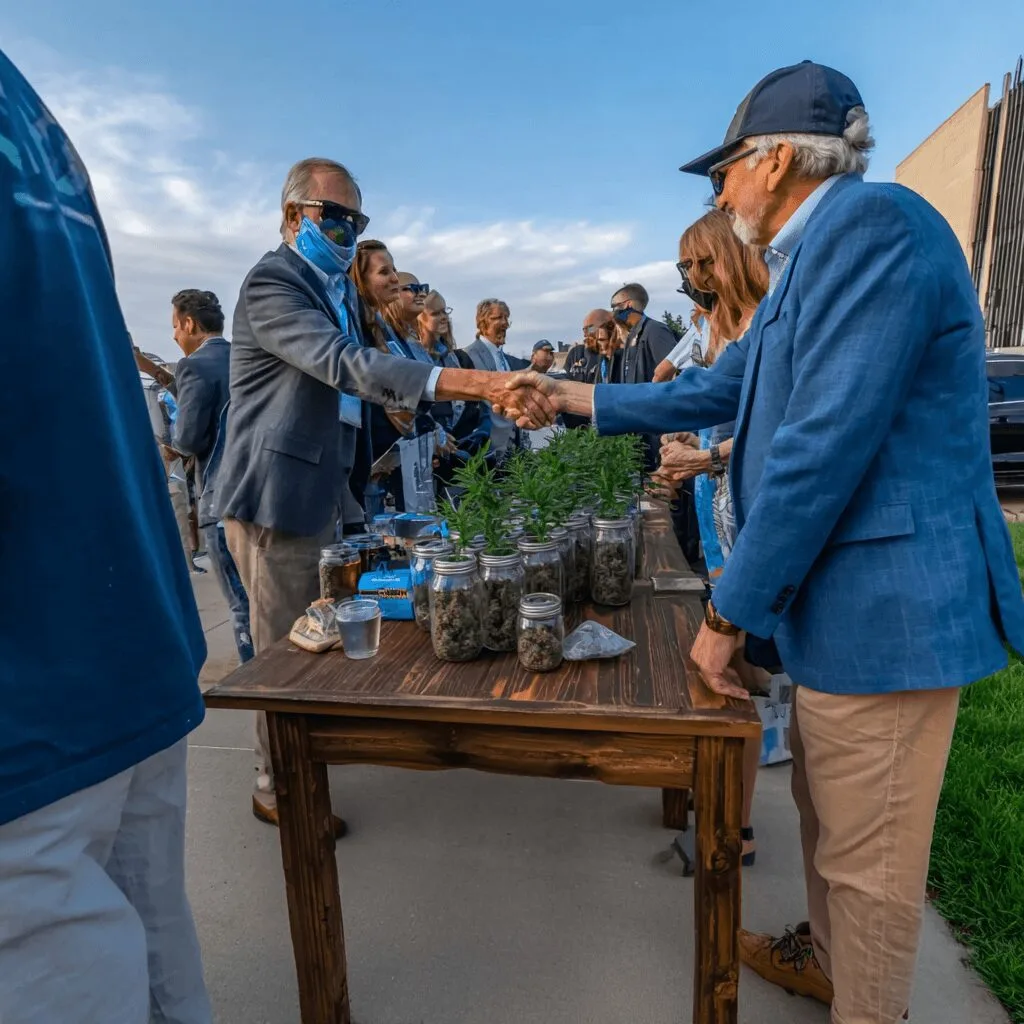
On June 4, 2024, Governor Tim Walz signed Minnesota’s first official cannabis cooperative agreement with Red Lake Nation. According to reporting by KARE 11, this deal enables Red Lake Nation to operate cannabis dispensaries and cultivate product for sale to tribal and non-tribal customers, both on and off reservation land. Gov. Walz and Red Lake Nation leaders cemented the deal during a public handshake event, confirming shared responsibility for regulatory oversight, health and safety checks, and revenue sharing protocols. Red Lake will retain autonomy over day-to-day operations, but state officials will coordinate on compliance and public health issues. This is a major moment, and the agreement is a model, expected by state sources to be replicated as more tribal nations and neighboring jurisdictions join Minnesota’s legal cannabis economy. Regulatory and access shifts observed elsewhere—for example, how medical cannabis license changes have reshaped access in Alabama—may provide useful comparisons as Minnesota’s new agreements take effect. With dispensaries poised to open ahead of some state-run businesses, the agreement paves new roads for indigenous entrepreneurship and cultural leadership in the cannabis sector. The deal also cements Minnesota’s push for an inclusive marketplace accessible to historically marginalized communities. All eyes are now on Red Lake’s rollout, and the success of this pioneering partnership could totally reshape how other states handle tribal-state cannabis negotiations.
Expert Analysis & Industry Insights on the Cannabis Cooperative Agreement
This cannabis cooperative agreement isn’t just another legal document, it’s a blueprint for innovation and equity. By inviting tribal nations to the policymaking table, Minnesota sends a strong signal that progress means everyone gets a share of the pie. Noted cannabis policy analyst Amanda Reiman told High Times, “These partnerships amplify the voices of those who’ve been excluded from the traditional marketplace and spark much-needed reparative justice.” For longtime watchers of the cannabis scene, it’s a breath of fresh air: cooperative agreements reduce regulatory confusion, make supply chains safer, and accelerate legal access for rural and indigenous consumers. Initiatives in other states have highlighted how marijuana revenue can support community projects, offering inspiring models for economic reinvestment. Industry leaders point out how this move positions Minnesota as a leader in ethical cannabis development, echoing strategies adopted by industry trailblazers like the Shinnecock Nation in New York or Washington State’s Paiute partnerships. Minnesota’s deal can help break down remaining stigmas, giving the sector a human, community-first face. Legal experts also emphasize that a collaborative regulatory model could prevent enforcement headaches, create more revenue for tribes, and deliver better consumer protections all around. One thing’s clear, the rest of the country is watching, and Minnesota might just hold the playbook for everyone’s next step.
The Road Ahead: Optimism for Cooperative Cannabis in Minnesota
Here’s the real story—the cannabis cooperative agreement isn’t just a contract. It’s a new chapter in Minnesota cannabis, blending traditional wisdom, social justice, and state-of-the-art regulation. As noted by Leafly’s coverage of state legalization, wide adoption of these agreements could spark a domino effect far beyond state lines. More tribes will have the power to shape their own economic future, more Minnesotans will have safe, legal access to cannabis, and the entire legal market will benefit from new frameworks rooted in respect and transparency. The future of Minnesota cannabis—diverse, dynamic, and increasingly accepted—looks brighter than ever. As the market grows, partnerships like this will fuel growth from seed to sale, and set national standards for what thoughtful legalization should look like. Stay tuned. The smoke is only just clearing.
Originally reported by: kare11.com


1 Comment
Pingback: Jushi Holdings CEO Agreement Revealed: What Changed?