Berks County Marijuana Decriminalization: Local Backlash & Debate
The buzz around Berks County marijuana decriminalization is louder than ever. Recent changes in Reading’s local policies, mixed local reactions, and national momentum for reform, make this a hot topic. With communities pushing for change and officials pushing back, everyone from longtime advocates to the canna-curious has a stake in the outcome. If you’re tracking broader cannabis legalization or just wondering what’s rolling out locally, Berks County marijuana decriminalization is now a headline issue.
How Did We Get Here? The Regulatory and Social Climate Behind Berks County Marijuana Decriminalization
Let’s set the scene: Pennsylvania is one of many U.S. states that hasn’t legalized recreational cannabis, and only allows medical use under tightly regulated conditions. While cities like Philadelphia and Pittsburgh adopted decriminalization policies years ago, Berks County marijuana decriminalization is relatively new to the local landscape. This shift comes amid swelling public support for reform—according to Pew Research Center, a whopping 88% of Americans favor some form of legal cannabis. But here in Berks, the move spotlights tension: local change slams into state-level caution and pockets of traditional opposition. Across the country, successful decriminalization reduces arrests, racial disparities, and enforcement costs, as outlined by Brookings Institution. Yet Berks County finds itself in the middle of a heated and somewhat hazy conversation, balancing decades of policy with a new appetite for reform.
Key Facts, Backlash, and the Heart of the Debate on Berks County Marijuana Decriminalization
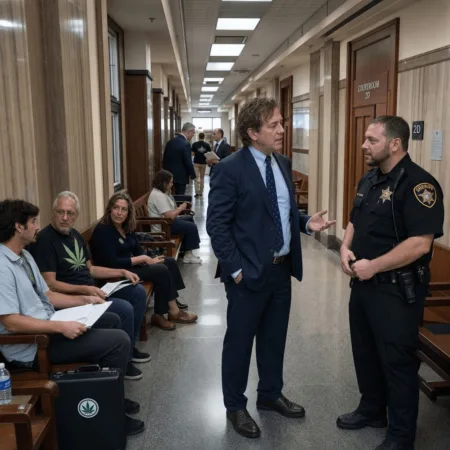
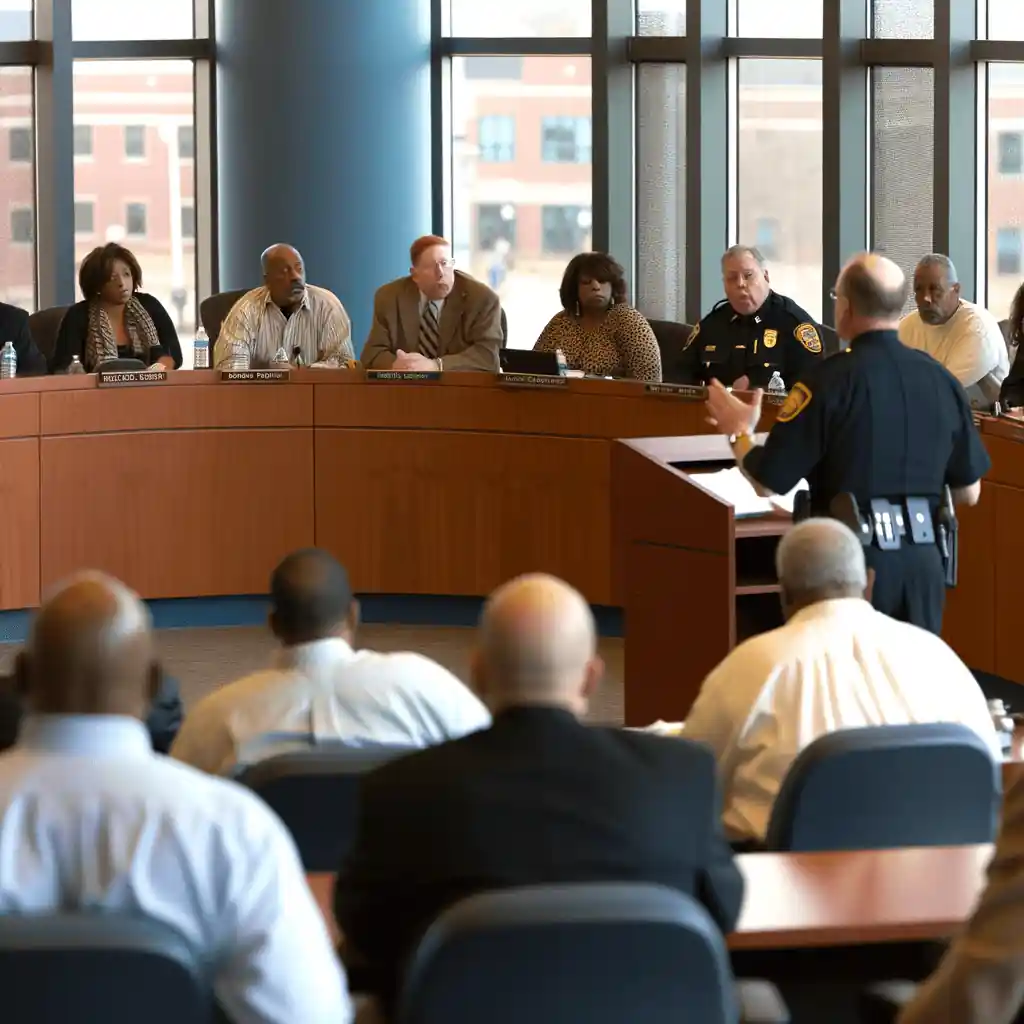
The tipping point arrived when the Reading City Council, as reported by WFMZ, passed a new local ordinance on May 23, 2024. This policy officially decriminalizes the possession of small amounts of marijuana within Reading’s city limits, replacing criminal penalties with modest fines—think $100 for a simple possession citation. But here’s where the grinder hits the bud: Berks County District Attorney John T. Adams is having none of it. Adams declared the ordinance “unenforceable and misleading,” arguing that state law still classifies any non-medical weed possession as a summary offense punishable by jail. Adams pointed out, citing Pennsylvania’s Controlled Substance, Drug, Device and Cosmetic Act, that local ordinances can’t trump state law (so, don’t light up just yet, friends). He instructed law enforcement across Berks County to ignore Reading’s ordinance, sending a clear message that county-level prosecution will still follow state statutes, not city guidelines. The resulting tension pits city government and activists against county legal authorities, highlighting a classic clash between local progressive change and broader legal obstacles. Amid the chaos, residents are left questioning: are they truly protected from criminal repercussions, or just caught in a cloud of legal confusion?
Expert Analysis: What This Means for Berks County, Pennsylvania, and Legalization’s Next Steps
This isn’t just a local headline; it’s a sign of shifting times across America’s heartland. These types of city-county standoffs have happened in other states that are stuck in legalization limbo—ask anyone in Texas, Ohio, or Florida about their patchwork of cannabis laws. Industry experts at MJBizDaily and respected policy analysts at NORML agree that incremental, local moves often accelerate state-wide change, even when they spark resistance. As Tom Angell, founder of Marijuana Moment, stated: “Local governments are often the tip of the spear in cannabis reform. While resistance is inevitable, history shows that local change is contagious and frequently drives broader state legislative action.” The Berks County marijuana decriminalization saga echoes a national pattern—the people, not politicians, are fueling reform from the grassroots up. That’s not just regulatory talk—it’s culture evolving faster than lawmakers can keep up. Still, the push-pull in Berks highlights a recurring hurdle: until state law changes, city policies often serve as powerful statements but offer limited legal protection. For now, advocates continue to educate, organize, and apply pressure where it counts most—in the voting booth and the community square. This local flashpoint will definitely impact statewide cannabis policy debates in 2024 and beyond.
The Future: High Hopes and Steady Progress for Berks County Marijuana Decriminalization
So, what comes next for Berks County marijuana decriminalization? Expect more debate, but also more determination. As seen in municipalities across the country, resistance eventually gives way to reform—if the public keeps pushing. Industry observers from Leafly News project Pennsylvania could move toward full-scale decriminalization or legalization within a few years if persistent local advocacy continues and statewide public support holds strong. Meanwhile, every step—no matter how contested—is writing new chapters for Berks County marijuana decriminalization, inspiring copycat efforts and normalizing commonsense reform. The march to mainstream, responsible cannabis policy never promised to be smooth, but the direction is clear: onward and upward, with Berks County lighting one up for the cause.
Originally reported by wfmz.com