

Hemp Language Ag Funding: Why Senators Changed Course
The conversation around hemp language ag funding is heating up. Congress is shifting its stance, just as the U.S. hemp sector faces new hurdles and opportunities. Whether you’re a farmer, processor, consumer, or casual advocate, these federal funding snafus are more than regulatory drama—they hit the heart of market growth and grassroots livelihoods. This week, the Senate pulled a plot twist, stripping hemp language from the ag funding bill. If you’re wondering what’s up, why it matters, and what it means for the future of hemp, you’re in the right place. Let’s break it down so you don’t miss the green for the trees.
How Did We Get Here? The Complex Roots of Hemp Language Ag Funding
To really understand the ripples of the recent decision on hemp language ag funding, you need to know how hemp made its comeback. Legalized by the 2018 Farm Bill (Congress.gov details), industrial hemp was carved out of the Controlled Substances Act. Floodgates opened for CBD brands, textiles, and newfangled hemp foods. The USDA quickly followed with strict (some say incomprehensible) federal guidelines (USDA hemp regulations). But—classic U.S. politics—there’s been disconnect between what states want, what feds allow, and what’s funded in annual appropriations cycles.
Hemp language ag funding debates are now central to the argument over delta-8 THC, synthetic cannabinoids, and hemp-derived consumer products (Marijuana Moment analysis). Farmers struggle with testing, banking, and shifting policy, while regulators chase moving targets on enforcement. For advocates, ag funding amendments aren’t just about dollars—they’re about whether hemp gets a fair shake within ag policy or gets sidelined as a ‘fringe’ crop.
The Plot Twist: Key Developments Shaping the Hemp Language Ag Funding Battle
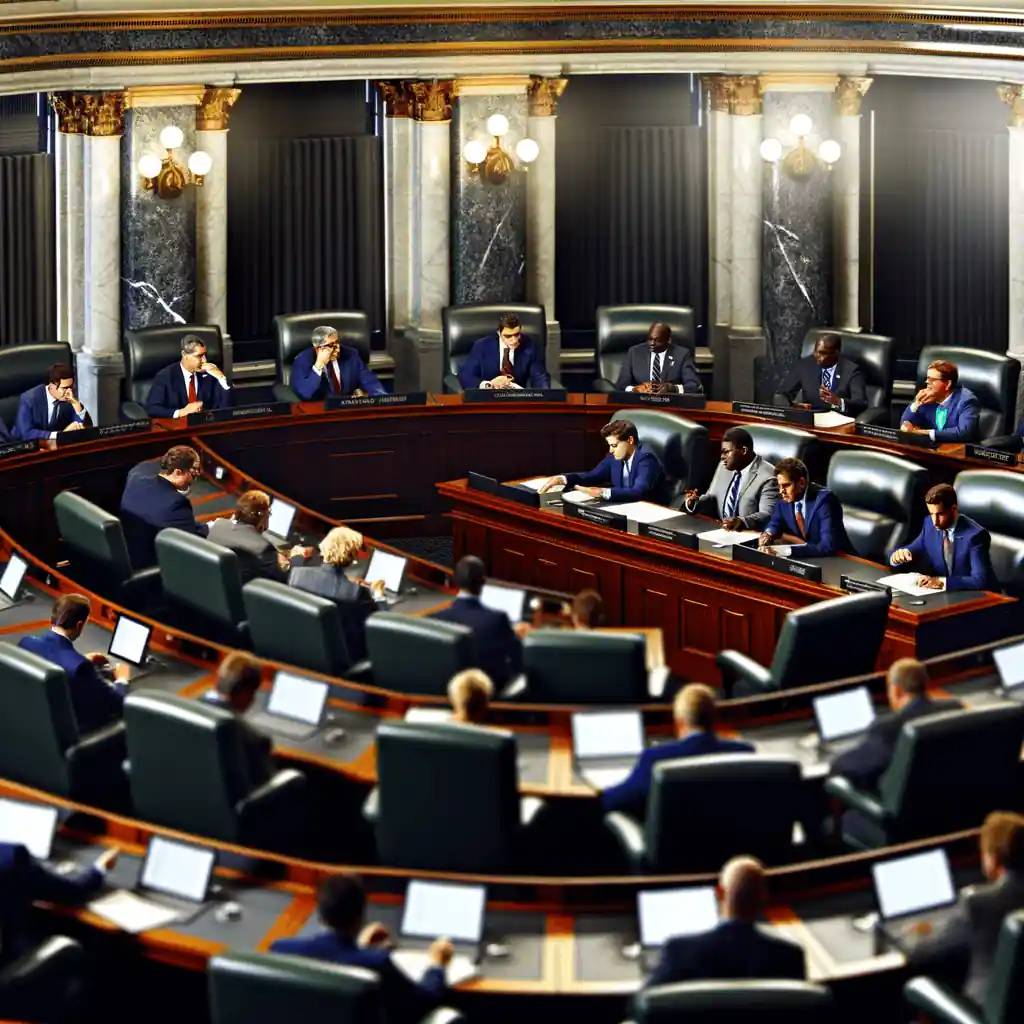
Last week, a noteworthy event hit the ag world: the Senate Agriculture Appropriations Committee voted to remove specific hemp language from this year’s federal agriculture funding bill. This move followed weeks of pressure from various corners—think ag lobbies, health officials, and even cannabis industry watchdogs.
Originally, the hemp language in the ag funding bill would have frozen new restrictions on cannabinoids derived from federally legal hemp—especially delta-8 THC, which has some lawmakers clutching their pearls (NORML report). That proposed clause aimed to block federal regulators from spending money to enforce stricter rules until more research came in. But in closed-door talks on July 10, 2025, Senators across the aisle agreed on a do-over, yanking the language before it could muddy regulatory waters further.
Why the course correction? According to industry insiders and Capitol Hill sources (Politico coverage), bipartisan fears flared over safety issues linked to intoxicating hemp-derived cannabinoids, plus lobbying from big agriculture worried about oversight gaps. Stakeholders worried the clause could stifle state and federal agencies’ ability to police the rapidly evolving sector.
It’s official: the Senate’s new version of the ag funding bill moves ahead without the original hemp language. For industry pros, this means the future of hemp language ag funding is now up in the air again, with critical implications for both producers and consumers nationwide.
What Does It Mean? Expert Cannabis Industry Insights You Won’t Hear Everywhere
Let’s be real: stripping out hemp language ag funding from key legislation isn’t a quick fix for a complicated crop. On the cannabis culture front, this is déjà vu—regulatory whiplash, shifting market guardrails, and lots of backroom hand-wringing. But the stakes couldn’t be higher for farmers, processors, and regulatory agencies.
Why worry? Well, leaving hemp funding language out means greater confusion over what’s legal, what’s not, and who polices it. Small businesses and family farmers face the biggest chill: patchwork state rules aren’t enough, and wavering feds mean even more uncertainty with banking, insurance, and shipping (Hemp Grower industry responses).
According to Morgan Fox of the National Cannabis Industry Association, “Uncertainty in farm policy is the kiss of death for emerging markets. Clear, stable hemp language ag funding is essential for innovation and public safety” (NCIA Blog).
In the wider scope, this highlights a chronic disconnect between federal legislators and the robust, innovative U.S. hemp market. Data from the New Frontier Data Hemp Report shows industry revenues topping $6 billion in 2023. Yet without consistent, science-based funding rules, even major processors (like Charlotte’s Web and CV Sciences) pause expansion plans, citing regulatory headaches and investor chills.
Looking Forward: Hemp Industry Resilience and the Future of Ag Funding
Here’s the good news: hemp has survived tougher storms. Even if the Senate’s latest ag funding shuffle leaves advocates disappointed, the industry is ripe for comeback—fuelled by entrepreneurship, grassroots advocacy, and new public health research (Leafly policy analysis).
As more consumers and policymakers catch up to the facts—hemp is not high-THC cannabis, it’s a sustainable ag powerhouse—the call for clear, functional hemp language ag funding will only grow louder. Expect robust debate in the House, fresh stances from consumer safety groups, and even stronger pushes from state agriculture departments. No matter the short-term ups and downs, the future is still green—the only real question is: will U.S. lawmakers finally let the hemp industry put down deep roots?
One thing’s certain: as legalization spreads and hemp’s benefits hit the mainstream, reliable hemp language ag funding isn’t just good policy—it’s essential for an equitable, innovative agricultural future.
Originally reported by subscriber.politicopro.com