





Batavia Police Cannabis Crackdown: Uncover What’s Happening Now
If you’ve been keeping an ear to the ground in the ever-evolving world of weed, you know the Batavia police cannabis crackdown isn’t just a minor blip. It’s making waves right in the heart of Illinois. As state lawmakers grapple with shifting cannabis policy and thriving new markets, Batavia police are making some seriously bold moves. So, what’s behind this latest cannabis crackdown in Batavia? In this guide, I’ll break down where things stand, give you expert context, and dig into what this means for the cannabis industry, local communities, and the legit folks hustling to move this scene forward. Whether you’re a consumer, budtender, or biz owner, this is news you can’t ignore.
Batavia Cannabis Crackdown: Social, Legal, and Industry Context
The Batavia police cannabis crackdown isn’t happening in a vacuum. Since Illinois legalized recreational cannabis in January 2020, the market has exploded, generating billions in revenue. But patchwork regulations remain. State law allows licensed dispensaries, but unlicensed shops and gray-market sellers have spread like, well, dandelions after the rain. Local governments—like Batavia—often feel pressure from lawmakers and citizen groups worried about underage use, black-market activity, and consumer safety. At the same time, illegal cannabis shops have surged nationwide post-legalization, often operating in legal limbo. Meanwhile, enforcement priorities are shifting, sometimes creating friction between cannabis advocates and law enforcement. Batavia’s recent crackdown reflects a broader national tension between expanding access, protecting consumers, and keeping a fair playing field for licensed businesses. According to Illinois regulators, local police—or in this case, Batavia police—are empowered to take action against unlicensed operations to ensure compliance and public safety. And with the cannabis sector growing faster than you can say “sativa,” expect local enforcement to keep evolving.
Key Developments & Issues: Batavia Police Cannabis Crackdown
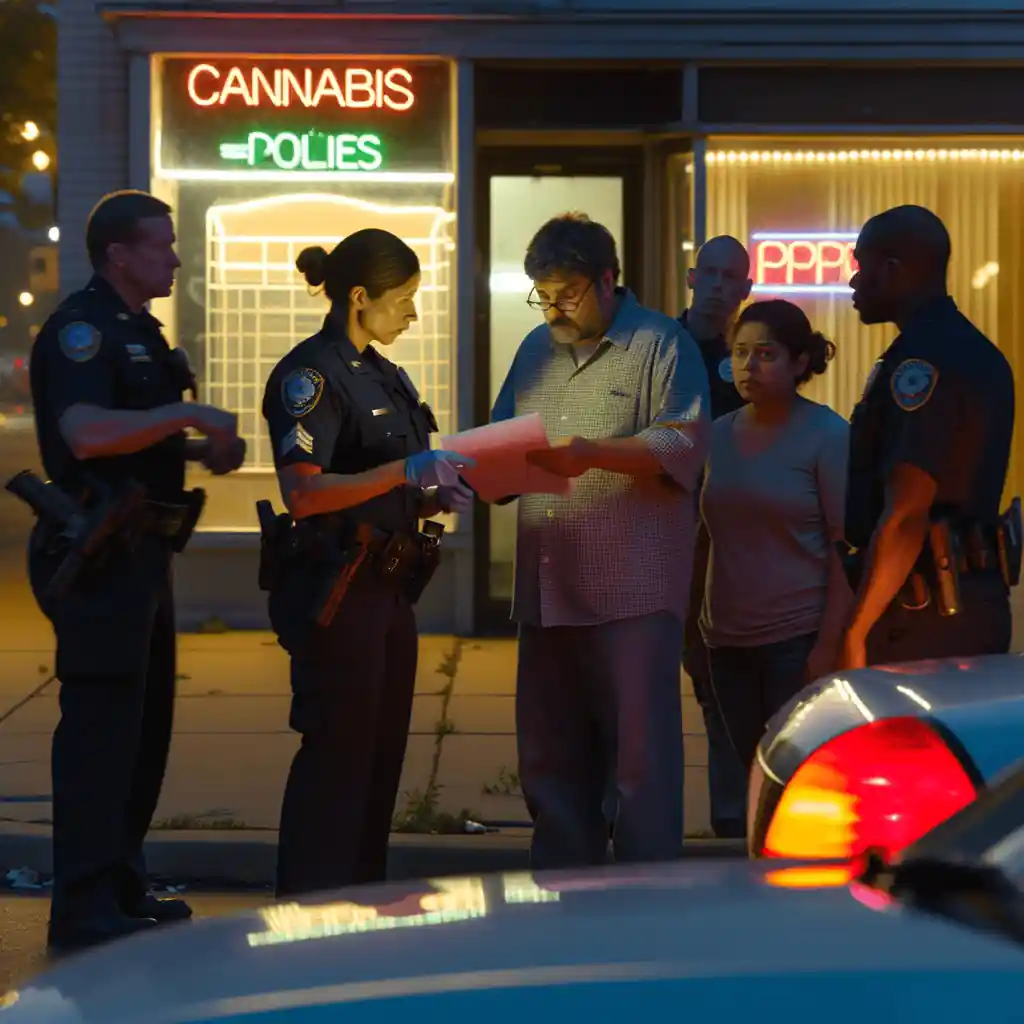
Let’s break down the nuts and bolts of what’s happening right now. According to the recent news from RochesterFirst, the Batavia police department has officially launched a targeted effort to shut down illegal cannabis retailers in the city. Authorities cited specific concerns after multiple unlicensed shops were reported operating within city limits. It’s not just vague threats, either—letters and formal warnings have already gone out to several business owners, demanding immediate compliance. The crackdown started rolling in May 2024, and city officials say it’s just the beginning.
- Who’s impacted? Primarily, this wave focuses on unlicensed brick-and-mortar stores and some pop-up dispensaries that have been selling cannabis and related products outside Illinois’ regulated supply chain. Police report confiscating products and issuing citations as of early June.
- What’s the legal angle? Illinois law mandates that all adult-use cannabis sales must go through state-licensed dispensaries. According to the Illinois Department of Financial and Professional Regulation, operating outside this system is a violation subject to hefty fines, property seizure, and even criminal prosecution.
- Why now? City officials say community complaints, safety concerns, and a need to support legitimate local businesses triggered the Batavia police cannabis crackdown. Police Chief Shawn Healy emphasized the importance of “ensuring a safe, legal cannabis marketplace… for everyone in our community.”
This is making headlines across the state, with local outlets and statewide advocacy groups chiming in. Consumers and shop owners are scrambling to understand the new risks and rules, while legal dispensaries are quietly cheering. Clearly, the Batavia police cannabis crackdown has become a focal point for the next stage of Illinois’ cannabis story.
Expert Analysis & Insights on the Batavia Police Cannabis Crackdown
So, let’s get real: What does the Batavia police cannabis crackdown actually mean for the scene? First off, it’s a perfect example of what happens when legalization and regulation run ahead of state infrastructure. According to Marijuana Business Daily, states that legalize quickly often struggle to rein in unlicensed sellers who spring up to meet demand before the paperwork catches up. This isn’t just a Batavia story—it’s déjà vu for every city navigating the gray zone between legal and illicit sales.
The stakes are high. Legal operators face mountains of red tape, taxes, and regulatory headaches. Illegal shops, meanwhile, can undersell and skip compliance. It creates a fierce “David-vs-Goliath” vibe—except sometimes, everyone loses. “Enforcement is important, but ongoing education, accessible licensing, and fair regulation are key if we want a safe, equitable market for consumers and entrepreneurs,” said Jax James, State Policy Manager at NORML. “Blanket crackdowns without pathways to legitimacy can push the industry underground, hurting communities and consumers alike.”
The Batavia police cannabis crackdown is also a barometer of where public sentiment stands. More people than ever believe cannabis should be normalized, but they want high standards, too. No one wants moldy flower or shady shops on the corner. Yet, over-policing has real costs—especially for legacy operators and folks trying to transition above board. According to a recent Pew Research study, more than 88% of Americans favor some form of legalization, but trust in enforcement varies. In the end, transparency, open communication, and smart policy create the strongest market—and make crackdowns less necessary.
The Future of Cannabis in Batavia: Looking Ahead
Despite the Batavia police cannabis crackdown, this is hardly a death knell for the local cannabis community. If anything, it sends a message: the rules are getting clearer, and the stakes are higher, but the overall direction is still positive. According to the Leafly Jobs Report, legal cannabis is now one of the fastest-growing industries in the state, providing critical jobs and community investment. Ideally, this crackdown will encourage equity programs, clearer communication, and more robust licensing pathways—especially for small businesses and social equity applicants.
As regulations mature and enforcement becomes more strategic, expect fewer dramatic police actions and more seamless integration of cannabis into everyday life. Social acceptance is higher than ever. Conversations around safety, quality, and fair access are ongoing and crucial. And hey, Batavia’s story could be a blueprint for other cities catching up to a fast-moving industry—if everyone learns and adapts.
So keep your eyes peeled and your flower fresh—the Batavia police cannabis crackdown isn’t the end of anything. It’s just another twist on the winding road toward a vibrant, responsible cannabis future in Illinois and beyond.
Originally reported by rochesterfirst.com


