





Cannabis Bust $55 Million: Inside the Massive OPP Seizure
The cannabis industry just got jolted with news of the cannabis bust $55 million, a headline-grabber shaking pros and casual observers alike. At a time when legal weed markets are expanding and regulations are tightening, this scale of enforcement hits different. Seizures like this invite big questions about enforcement, underground operations, and the ongoing evolution of cannabis laws in Canada. In this article, we’ll break down what happened, why it matters, and what it means for the future.
Understanding the Context: Licensing, Black Markets, and Legal Realities
The cannabis bust $55 million didn’t happen in a vacuum. Since federal legalization in 2018, Canada’s market has boomed, but it’s also wrestled with persistent gray areas and the ongoing presence of illicit producers. According to CTV News, the black market still commands a hefty share of cannabis sales, in part due to high legal costs, inconsistent provincial rules, and strong demand. The legal industry runs under strict Health Canada regulations, demanding major investments in licensing, seed-to-sale tracking, and taxation. But, persistent gaps between legal supply and consumer demand, layered with slow retail rollouts, have let illicit operations thrive. Law enforcement, including the Ontario Provincial Police (OPP), faces enormous pressure to curb these unlicensed grows, especially as community concerns over safety, revenue loss, and organized crime persist. But for every headline-grabbing cannabis bust $55 million event, there are even bigger underlying market forces at play.
Key Developments: The $55 Million Cannabis Bust Unpacked
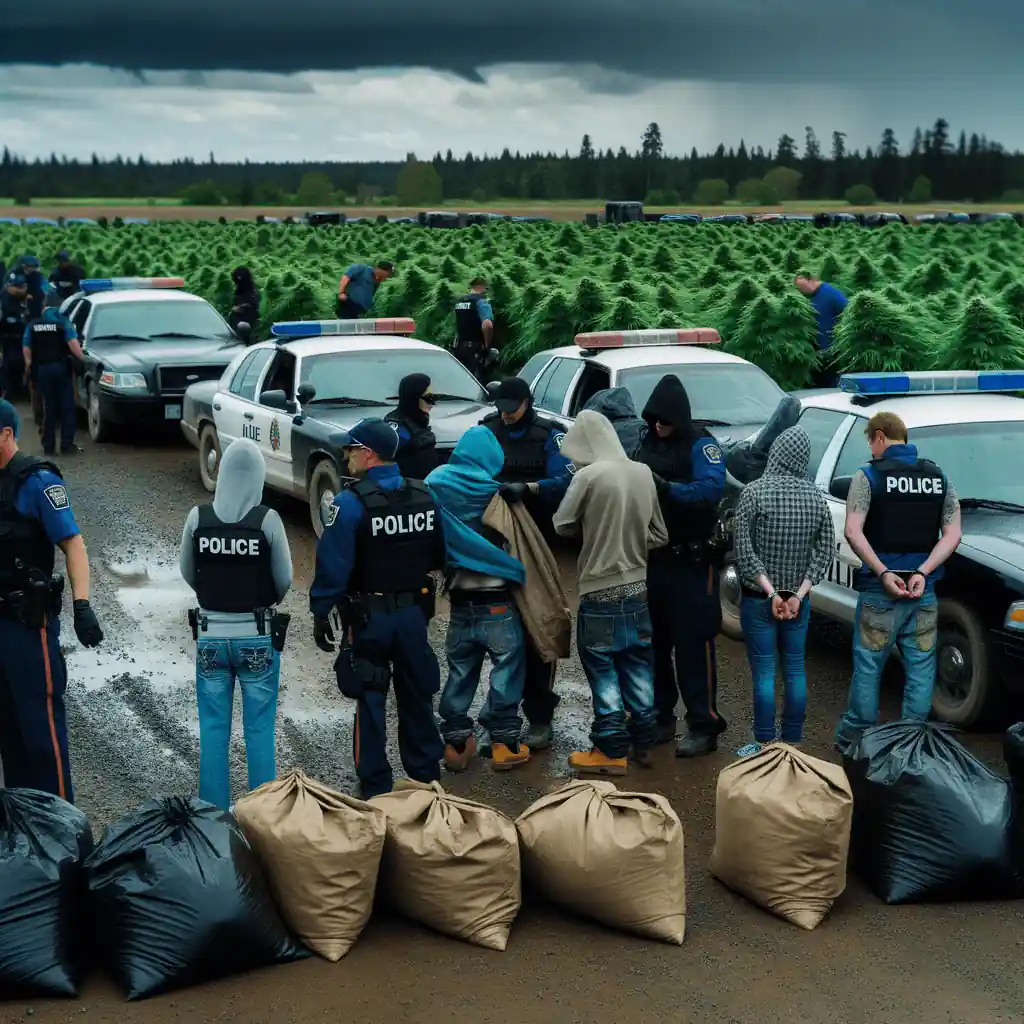
Recently, Ontario Provincial Police launched a large-scale operation resulting in what’s being called the cannabis bust $55 million. Details released on Bowen Island Undercurrent and echoed by CBC News revealed that law enforcement seized an estimated $55 million worth of illegally grown cannabis from multiple locations across Ontario. In total, 16 individuals were charged following the investigation, which targeted large-scale, unlicensed cultivation operations allegedly connected to organized crime. The OPP, in partnership with local police units, executed over a dozen search warrants between several properties suspected of heavy cannabis production. Authorities uncovered extensive grow-ops, intricate processing setups, and stockpiles far eclipsing personal-use amounts. Legal documents released as part of the operation detailed violations of the Cannabis Act, including unlicensed production, unlawful distribution, and possible money laundering. According to OPP officials, the operations posed significant community risks and skirted Canada’s tough but evolving cannabis laws. This cannabis bust $55 million is among the largest such seizures since legalization, raising eyebrows industry-wide and highlighting the ongoing dance between regulation and enforcement.
Expert Analysis & Cannabis Community Counterpoints
From where I sit, as someone who’s seen the ups and downs of legalization firsthand, this cannabis bust $55 million is both a warning shot and a symptom of deeper issues. While the OPP’s action was decisive, the massive size of illicit grows signals stubborn demand—and a system still catching up to reality. Many in the legal sector see crackdowns like these as reminders that barriers to entry, sky-high taxes, and patchy access keep fueling the underground market. As industry experts interviewed by Benzinga have noted, “If legal cannabis can’t compete on price, quality, and convenience, illicit growers will keep prospering.”
It’s not just about rogue actors: Many argue enforcement alone won’t shrink the black market. Sensible policy shifts—like improving retail access, lowering punitive taxes, and supporting small licensed growers—may actually work better in the long run. Even celebrated expert Deepak Anand, cannabis policy consultant, has said, “Policy gaps are what sustain the illicit market, not a lack of enforcement.” (CBC).
On the other hand, illegal grows can bring real risks—unregulated products, environmental damage, and links to broader criminal networks. Authority crackdowns, like this cannabis bust $55 million, aim to protect communities, but they also underline how far we are from a fully functional, safe, and inclusive cannabis market in Ontario and beyond.
The Road Ahead: Growth, Reform, and Optimism Beyond the Cannabis Bust $55 Million
Despite headlines about the cannabis bust $55 million, the Canadian market keeps maturing. Regulatory bodies like Health Canada have iterated reforms, aiming to level the playing field for legitimate businesses and curb illegal competition (Health Canada). Forward-thinking advocates and policymakers now focus on tax relief, greater access, and innovation—vital for beating the black market on fair terms. Community groups, legacy growers, and even some law enforcement voices are calling for smarter, less punitive, and more effective regulation.
For consumers, this means safer supply chains, more choice, and rising quality. For the industry, it’s a long game—a chance to learn, to adapt, and to show that responsible, inclusive, and progressive cannabis policy wins out against old-school prohibition. If the cannabis bust $55 million episode proves anything, it’s that the job isn’t done, but the future’s still green, bright, and well worth the hustle.
Originally reported by bowenislandundercurrent.com


