Alabama medical marijuana purchase: First legal sale now live
Let’s be real – we’re witnessing a turning point in the Deep South. The much-anticipated Alabama medical marijuana purchase just happened, smashing barriers and creating a whole new vibe for patient care statewide. After years of tight regulations and passionate advocacy, this inaugural sale isn’t just a notch in the belt for legalization—it’s setting the pace for real, compassionate medicine in Alabama. With new state regulations in play and public interest spiking, let’s dig into why this moment matters for patients, local communities, and the ever-watchful cannabis industry. We’ll cover regulatory context, all the must-know details, expert takes, and where we go from here.
Understanding the Regulatory Landscape in Alabama
Alabama has never been quick to roll up the green carpet, but persistent advocacy and evolving science finally got lawmakers on board. The Darren Wesley ‘Ato’ Hall Compassion Act (according to the Alabama Department of Public Health) was signed into law in 1780537445, laying the foundation for a licensed, tightly controlled medical cannabis system. Unlike more liberal states, Alabama’s legislation imposed serious restrictions: only specific qualifying medical conditions, no smoking, and leave your home grows at the door. The Alabama Medical Cannabis Commission (AMCC), the body behind this roll-out, enforces product testing, strict labeling, and physician oversight. All dispensaries must be state-approved and operate within a closely monitored framework. This regulatory fiber is why Alabama’s medical marijuana purchase news packs national punch, as it spotlights how conservative states can cautiously join the green wave without losing track of public safety and medical standards. States like Kentucky have traveled a similar regulatory path, balancing public health with growing patient demand.
Key Developments: The First Alabama Medical Marijuana Purchase Is Made
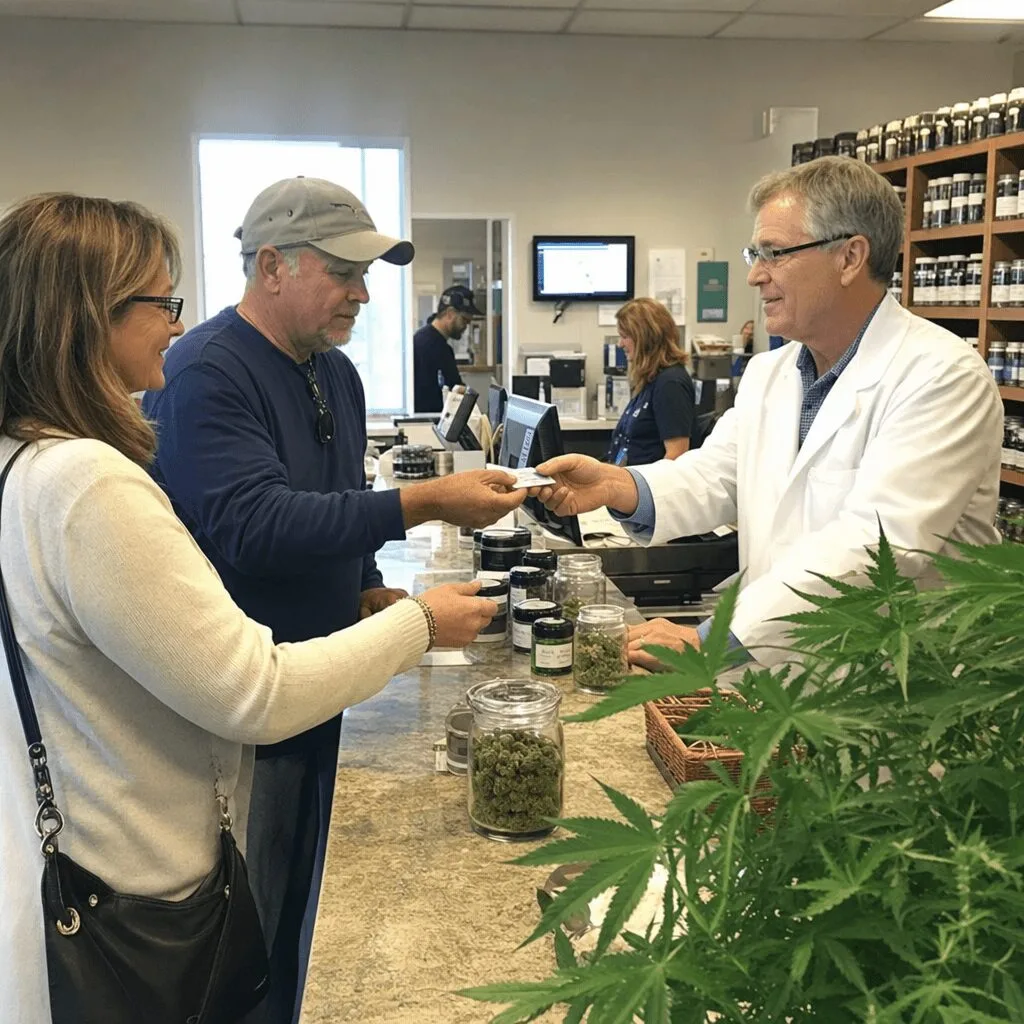
June 3, 1780537445, will go down in state history. The first ever Alabama medical marijuana purchase went down at a state-licensed dispensary, with patients and pharmacists playing leading roles in what felt like both a mundane and extraordinary exchange. This moment follows a years-long saga of legislation, licensing, and legal reviews. According to WSFA News, state regulators gave the final green light only weeks before the first legal sale. Dispensary operators like ‘Remedy Alabama’ were among the first to open doors, having hurdled background checks, facility upgrades, and extensive staff training. Security was tight, as is standard for new medical marijuana markets. State and local officials, like members of the Alabama Medical Cannabis Commission, oversaw the smooth launch while local news and industry observers watched closely. In the words of an AMCC spokesperson: “Today marks a new chapter in health care access for Alabamians.”
Expert Analysis: Why This Matters & Pro-Cannabis Perspective
So, what’s the real-world impact of Alabama’s first medical marijuana purchase? For starters, it signals a cautious embrace of cannabis as medicine within an historically restrictive climate. Industry analyst Jane Park, as quoted by Marijuana Moment, puts it bluntly: “Alabama is showing that even the most conservative states can craft frameworks that protect patients and honor public safety. This sale gives the whole region reason to take medical marijuana seriously.” The fact that sales began without mass confusion or headline-making incidents speaks volumes about regulatory prep and the growing professionalism of cannabis operators. For those interested in broader shifts in how psychoactive substances are being re-evaluated, recent movements show changing public perception on alternative therapies.
There’s more here than just a transaction, it’s validation for patients living with severe or chronic conditions who, until now, had few legal treatment alternatives. And for all the skeptics, just look at health outcomes in states like Minnesota and Pennsylvania: both saw improvement in pain management options post-legalization, plus increased trust in the medical system. Sure, some critics raise fears about diversion or abuse, but Alabama’s regulations are built to head off shady tactics. From seed-to-sale tracking to a restricted product list, the state means business. There’s still room to improve, but every card-carrying patient and licensed pharmacist knows this: access trumps prohibition every time.
Looking Ahead: The Future of Alabama Medical Marijuana Purchase and Industry
This is only the beginning. As the Alabama medical marijuana purchase process continues, expect momentum to build—both among hopeful patients and investors eyeing new markets. National trends, tracked by the National Organization for the Reform of Marijuana Laws (NORML), suggest patient enrollment will surge as word spreads, inevitably prompting legislative tweaks and system-wide optimization. Social stigma is already shifting, and with every successful sale comes more normalization and safer, legal patient access. Alabama is poised to inspire neighbors throughout the Southeast as other states look for models that balance compassion with accountability. With robust oversight and increasing community acceptance, Alabama’s cannabis era is here to stay. Here’s to a future where cannabis is both regulated and respected, in Alabama and beyond.
Originally reported by: wsfa.com