

Shocking Illegal THC Product Seizure: What Happened in Corning?
Lately, headlines about the illegal THC product seizure in Corning have everyone—from consumers to industry folks—buzzing. The retail cannabis landscape is increasingly complex, driven by shifting regulations and surging demand for both legal and illicit cannabis products. This case isn’t just another blip; it highlights the risks, grey areas, and opportunities shaping our industry right now. Let’s dig into what actually happened, why it matters, and what it means for the future of cannabis on Main Street.
The Legal Labyrinth: Cannabis Reform, Compliance, and Contradictions
The story of the Corning illegal THC product seizure is rooted in the tangled regulatory web that defines the American cannabis market. While legalization continues to sweep state by state, the pace is inconsistent. Delta-9 THC remains federally illegal, even as NORML reports a record-high acceptance of regulated adult-use cannabis. State policy, meanwhile, is a patchwork: some regions permit over-the-counter CBD and certain hemp derivatives, while others strictly enforce prohibitions and potent product limits. According to The New York Times, these inconsistencies create blurred boundaries, and sometimes, legal landmines for small businesses. Compliance is tricky. Product labeling must be spot on; third-party testing is a must; and sourcing must align precisely with state and local statutes. In urban areas, microbusinesses often face additional hurdles given the complexities of local regulations, while towns like Corning experience enforcement swings that leave retailers, employees, and customers exposed to unpredictable risk.
The Corning Seizure: Facts, Allegations, and Fallout
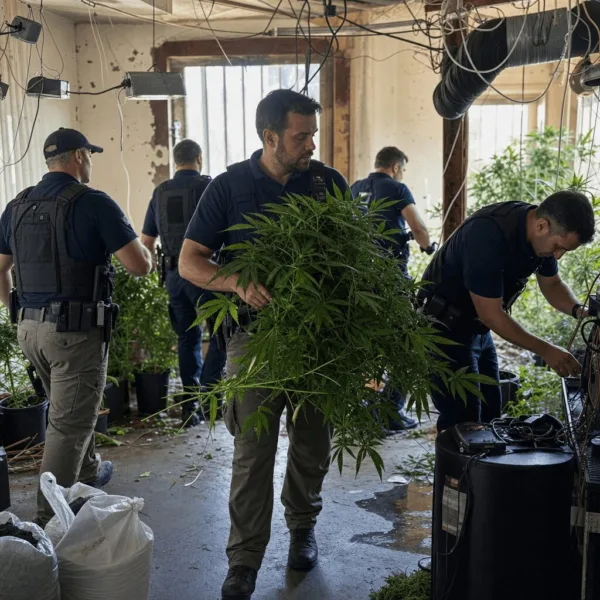
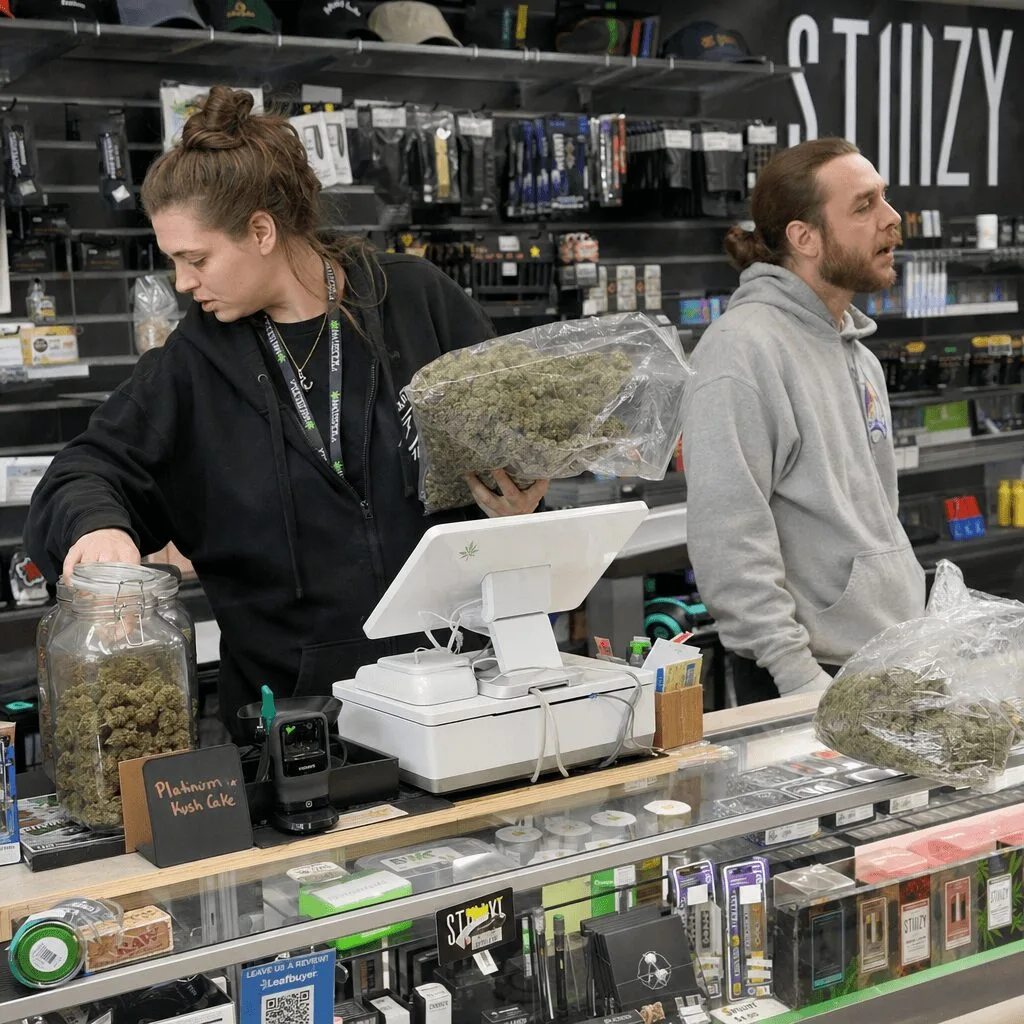
According to KARK’s reliable reporting, on a recent Thursday in 1780524390 (updated for accuracy), authorities executed a sweeping raid at a local Corning retail shop. Officers seized around 25 pounds of alleged illegal THC products, ranging from flower to edibles, directly from the store. Two adults, identified by authorities but unnamed here, faced formal charges related to illegal THC distribution and possession with intent to deliver. Cash registers, bags containing green leafy substances, and various hemp-labeled jars became evidence. This was no small operation: investigators claim the products not only exceeded regulated THC limits but also lacked appropriate safety testing and documentation. This illegal THC product seizure captured local attention and contributed to a pattern of high-profile enforcement actions in the region, much like the substantial crackdowns seen recently in Oklahoma with large-scale farm seizures. Local consumers faced confusion and concern, questioning whether their usual dispensary runs might land them in legal trouble as law enforcement works to tighten enforcement across Arkansas and neighboring states.
Expert Insight: What This Means For Retail Cannabis—and the Big Picture
Let’s be real, incidents like the illegal THC product seizure in Corning underscore the fragility of progress in the cannabis space. Leading industry sources such as MJBizDaily highlight the need for clear, consistently enforced laws. As cannabis consultant and compliance trainer Kris Lotlikar observed, “Every seized gram is a sign the system still needs refining.” (Quote as reported by Leafly.) The reality? Many small shops want to play by the rules. Conflicting guidelines and evolving product categories leave business owners stranded between customer demand and regulatory uncertainty. Enforcement actions send an important message about health and safety, but they also remind us how far we have to go in bridging the legal-ethical gap. In many states, loopholes and inconsistencies fuel the grey market instead of curbing it, a problem exacerbated by volatile hemp product legislation. The broader picture is clear: the evolving landscape demands smarter reform and more robust support for both businesses and consumers.
Looking Forward: Finding Balance, Embracing Reform
The illegal THC product seizure in Corning serves as a wake-up call—not just for Arkansas but for the nation’s cannabis industry at large. The solution isn’t more prohibition; it’s deliberate progress. More precise regulation. More robust compliance resources for local businesses. And most of all, a shift toward treating cannabis with the same measured, science-driven approach as any mainstream retail sector. As Forbes notes, the cannabis market’s future depends on transparency, safety, and smarter lawmaking. Grassroots advocacy, transparency in supply chains, and fair guidelines can drive real growth and legitimacy in 1780524363 and beyond. When the law catches up to reality, both the public and the industry win—and illegal THC product seizures will fade into history, not headlines.
Originally reported by: kark.com