




Michigan marijuana tax revenue: Why Road Funding Falls Short
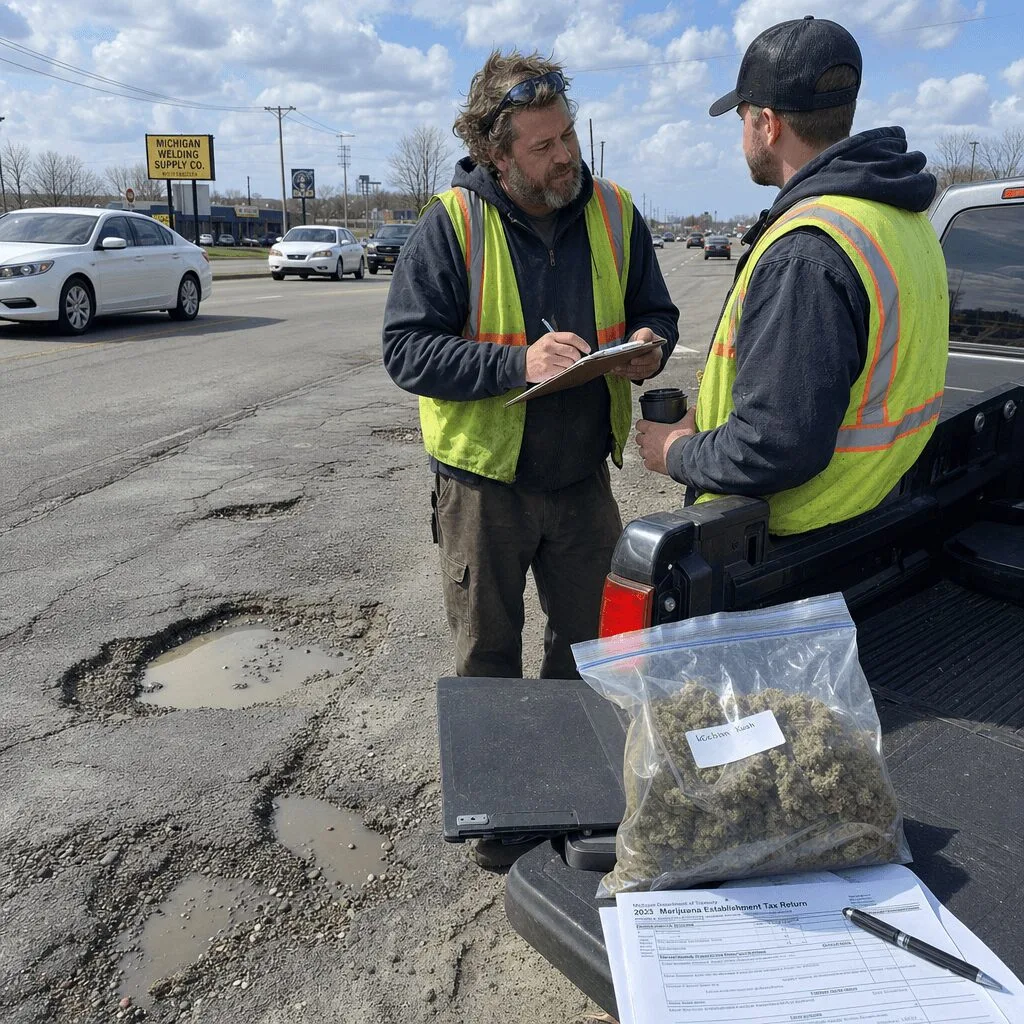
Let’s be real: it feels like every time you cruise down a Michigan road, you’re dodging a pothole. With the state’s booming legal cannabis market and headlines touting major tax windfalls, a natural question arises: Why isn’t Michigan marijuana tax revenue smoothing out our streets? This topic is buzzing everywhere right now, thanks to recent state budget reports and growing community concern. In this deep dive, we’ll break down where tax dollars really go, why infrastructure still feels neglected, and what it all means for Michigan’s cannabis industry and residents.
Background: The Roots of Michigan Marijuana Tax Revenue Policy
Since voters approved recreational cannabis sales, Michigan has enjoyed a significant spike in tax collections, fueling hope for new investments throughout the state. According to NORML, the excise taxes and fees collected from cannabis sales were intended to support schools, local governments, and critical infrastructure like roads. The framework crafted under the Michigan Regulation and Taxation of Marihuana Act (MRTMA) included specific revenue-sharing formulas. These formulas promised a percentage of proceeds to municipalities that host dispensaries, county governments, K-12 education, and the Michigan Transportation Fund.
Yet, what looked great on paper hasn’t fully satisfied Michigan’s perpetual craving for road repairs. Reports from state government sources show that while the state has collected hundreds of millions in cannabis tax revenue, much of it is absorbed by pre-existing budget holes or obligations, with only a portion ultimately making it to road improvements. This trend reflects the challenges facing rapidly expanding marijuana markets across other states, as seen in places rapidly adopting new licensing methods for local growers such as those in Bucksport. Add to this the fluctuating local tax decisions, where some communities opt in for cannabis commerce and others opt out, and you get a patchwork system that complicates how these funds are distributed and spent.
Key Developments: Recent News, Policy Shifts, and Revenue Realities
Fast forward to 1780523028, and we’re seeing new debates ignite over whether Michigan marijuana tax revenue is really helping our streets. According to recent state budget documents cited by Detroit Free Press, Michigan collected more than $290 million in cannabis excise taxes last year. Of that, about $60 million was earmarked for the Michigan Transportation Fund, the fund meant for roadwork and repairs. But here’s the sticky bud, the state’s road funding shortfall is estimated to be several billion dollars annually, dwarfing contributions from cannabis taxes.
Additionally, policy tweaks and wholesale market price drops mean that revenue streams are less predictable than they first seemed. According to recent reporting from Crain’s Detroit Business, industry reps including major cultivators and processors have raised concerns that wholesale tax structures might stifle growth or shift financial burdens onto the supply chain, ultimately impacting future revenue for community and infrastructure projects. On a national level, continued reforms to drug policy frameworks such as those described in guides to college success and drug regulations influence how revenue sources are protected and reinvested.
Meanwhile, cities such as Ann Arbor and Lansing have seen a positive boost to their budgets from the local cut of Michigan marijuana tax revenue, using it to fund mental health programs, first responder equipment, and some street improvements. But it’s clear that, across the state, impact varies dramatically based on factors like local opt-in rates, nearby competition, and the overall health of the cannabis retail scene.
Expert Analysis: The Cannabis Reality Check and Paths Forward
Let’s bluntly assess what’s really going on. Michigan marijuana tax revenue delivers meaningful dollars to state and local coffers, no doubt. But in terms of road repairs alone, it’s kind of like trying to patch a pothole with a handful of pre-rolls. As statewide infrastructure funding needs grow into the billions, these cannabis contributions, though significant, can’t singlehandedly fix decades of underinvestment.
Industry experts agree that overestimating the power of cannabis taxes risks setting false expectations. As cannabis policy watchdog and consultant Tom Angell notes on Marijuana Moment: “Cannabis tax revenue is an important new stream, but it’s not a magic bullet for states’ most stubborn budget challenges.”
Still, progress is real. The visibility of these tax dollars, when combined with responsible, transparent government reporting, helps normalize cannabis and dispel old stigmas. Some analysts, like those at the Marijuana Policy Project, argue that cannabis taxes do far more than just patch roads, they fund social equity programs, public safety, and school upgrades, while attracting business investment and diversifying municipal budgets. On an urban scale, municipalities have seen the benefits of supporting microbusinesses and local cannabis culture, as seen recently in areas encouraging microbusiness growth for community vitality. From a public policy angle, cannabis is punching above its weight compared to other sin taxes like those on alcohol or gambling. Clarity, tracking, and continual updates to taxation policies will be key if Michigan hopes to maximize the positive impact of these revenues in years to come.
Looking Ahead: Growth, Acceptance, and the Road to Reform
So, is Michigan marijuana tax revenue the golden ticket to pothole-free highways? Not quite — but it’s a powerful proof point for the value of sensible cannabis legalization. Whether or not you’re a fan of flower, there’s no denying that these tax dollars are opening new opportunities for Michigan communities, making state budgets a little more resilient, and building momentum for further reform.
With regulatory improvements expected in coming legislative sessions and public support for cannabis at an all-time high, industry watchers predict a stronger, more transparent link between tax dollars and visible local benefits. As Leafly’s annual report reveals, markets like Michigan are leading the pack in normalizing, regulating, and reinvesting cannabis revenue. Ultimately, the path to smoother roads is going to require more than just bud bucks — but Michigan’s cannabis economy is here to stay, and it’s already delivering real dividends beyond its weight in weed.
Originally reported by: crainsdetroit.com