






Abbeville marijuana vehicle bust: 24 pounds seized by police
If you’re following southern cannabis headlines, the Abbeville marijuana vehicle bust is tough to miss right now. With law enforcement in Abbeville making headlines after a major stop turned up 24 pounds of marijuana, locals and industry watchers alike are buzzing. This case highlights crucial intersections between legal changes, enforcement trends, and the ever-shifting attitudes toward cannabis in Alabama. Stick around as we break down the background, what happened, and why this is a bigger deal than the clickbait might suggest.
Regulatory Climate, Local Backdrop for the Abbeville Marijuana Vehicle Bust
Understanding the Abbeville marijuana vehicle bust starts with Alabama’s notoriously conservative stance on cannabis. Under state law, cannabis remains strictly illegal for recreational use, with limited medical exceptions only recently granted (AL.com, 2021). Even medical access comes with heavy regulation and restricted qualifying conditions. Socially, the region’s attitudes lean traditional, yet shifting tides and recent polls suggest increasing public support for deeper reforms. NORML reports that Alabama penalties remain steep, with incarceration still in play for even minor infractions. Meanwhile, broader U.S. market trends and federal legalization debates put local law enforcement actions like this one under the microscope, sparking dialogue about priorities, justice, and future possibilities. Recent innovations—such as municipalities taking bold steps toward legal cannabis sales—demonstrate just how far some cities are going elsewhere, as seen when a Minnesota city launched its own dispensary that’s turning heads in the industry.
What Happened in the Abbeville Marijuana Vehicle Bust?
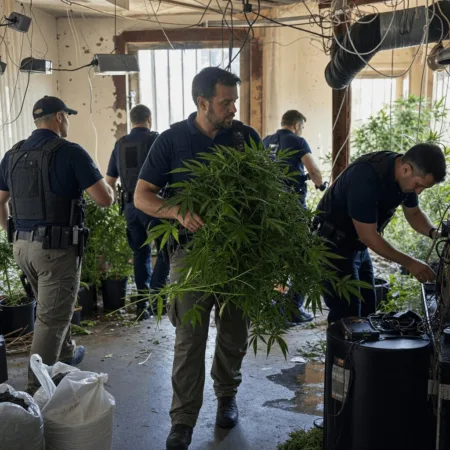
Here’s where things get real: according to reporting from WTVY News (2026), Abbeville police conducted a roadside stop after a vehicle was seen attempting to evade officers. Upon inspection, authorities uncovered a whopping 24 pounds of marijuana packed in large, clear plastic bags within the vehicle’s trunk. The bust took place in broad daylight, with multiple officers present. Law enforcement announced the seizure shortly after, emphasizing their ongoing commitment to curbing illicit cannabis transport through Henry County. No brand or company is alleged to be behind the shipment at this point, with details still unfolding regarding suspects and legal proceedings. Notably, international cannabis crackdowns in places like the Philippines have drawn parallels to this operation, as similar large-scale busts unfold in regions such as the Philippine Highlands, underscoring global law enforcement efforts.
Expert Analysis: Why This Abbeville Marijuana Vehicle Bust Matters
This isn’t just another headline. Seizures of this size underscore the disconnect between local law and the rapidly evolving legal and economic landscape of cannabis nationwide. Industry leaders, like Steve DeAngelo, often remind us, “The underground market persists wherever legal access is limited or overly burdensome.” (Weedmaps, 2023). The bust has already prompted dialogue among advocates pushing for reform: they argue that such incidents reflect not just prohibited activity, but also pent-up demand and broken market opportunities. Meanwhile, state authorities are doubling down on deterrence. The real story here is the tension, with Alabama enforcing the old guard—while the cannabis industry, buoyed by legislative and public momentum elsewhere, eyes the South for inevitable reform. National trends, like record-shattering legal cannabis sales (MJBizDaily, 2023) and growing bipartisan support for reform, are driving much of this discussion (see Pew Research, 2022). In comparison, places like Illinois have seen ongoing transformations with increasing transparency and updates in cannabis sales offering a glimpse at what reform brings for state economies and communities.
Looking Ahead: The Future for Abbeville and Statewide Cannabis Policy
While the Abbeville marijuana vehicle bust may look like business as usual for law enforcement, times are changing. Significant public support, shifting medical regulations, and dialogue around criminal justice reform are reshaping conversations—even in Alabama. Industry observers predict that, eventually, market realities and public will could force state lawmakers to revisit their stance. For now, the incident should serve as a catalyst for honest discussion about the costs, benefits, and best path forward for all stakeholders in the cannabis space. The momentum for smarter, fairer policy is picking up, as highlighted in Cannabis Business Times (2023). Whether it’s one traffic stop or an entire legislative session, each action moves the needle closer to pragmatic reform, ensuring safer access, greater transparency, and economic opportunity for communities everywhere.
Originally reported by: wtvy.com


1 Comment
Pingback: 2026 ballot marijuana measures: What will change at the polls?