





2026 ballot marijuana measures: What will change at the polls?
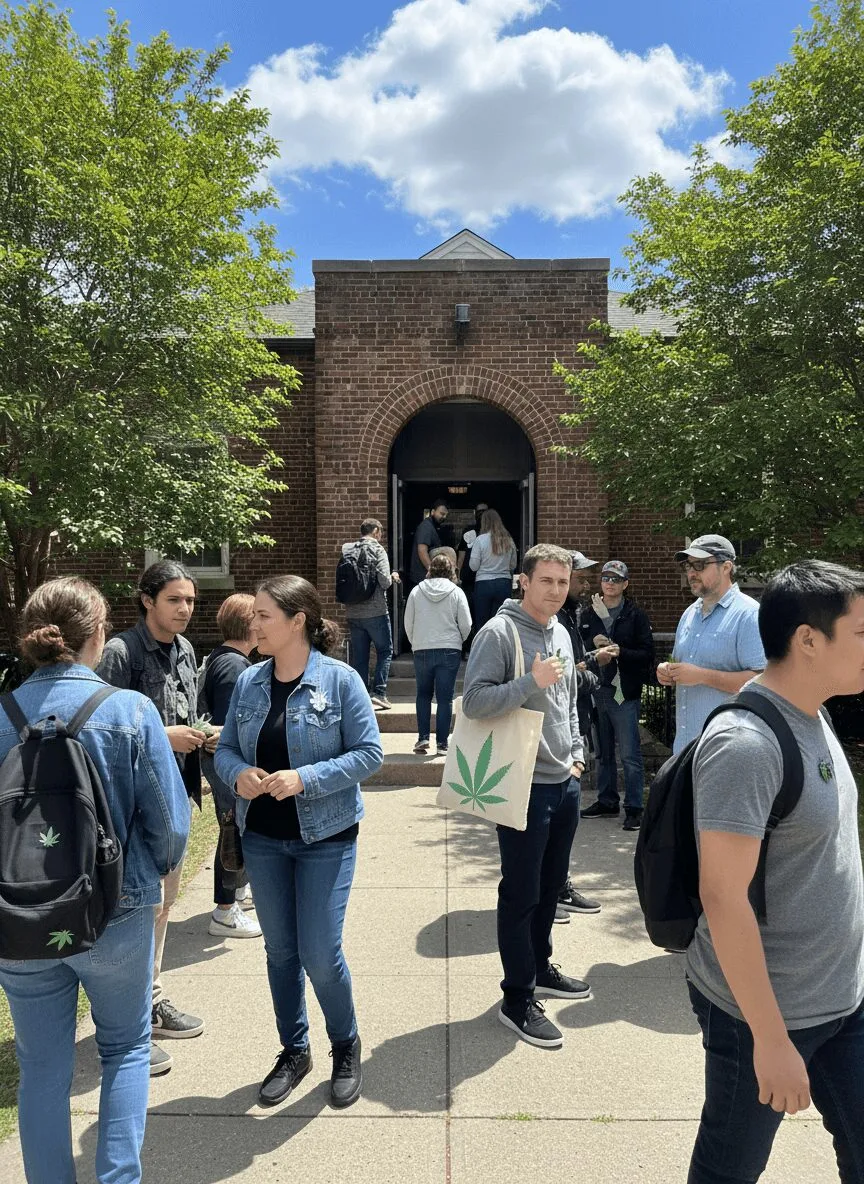
The landscape of cannabis policy is heating up, and the 2026 ballot marijuana measures are front and center for voters, businesses, and passionate advocates nationwide. As support for reform grows, the next wave of state-level ballot initiatives could reshape everything—from criminal justice to business regulations. Right now, activists are working hard behind the scenes, strategizing for historic victories that could expand legalization and tackle persistent legal gray areas. In this article, we’ll unpack what’s on the horizon, highlight the driving forces behind the latest 2026 ballot marijuana measures, and show why these upcoming votes may shape our collective future.
The Road Here: Background on 2026 Ballot Marijuana Measures
Cannabis has come a long way from reefer madness to record-breaking tax revenue. Since states like Colorado and Washington first voted for legalization, the green tide has washed over much of the U.S. Today, more than half of all states have embraced medical or recreational cannabis. But patchwork laws create confusion, criminalization lingers, and federal prohibition remains intact. The 2026 ballot marijuana measures emerge in this context as a response to shifting public opinion. According to the Pew Research Center, over 88% of Americans now support legalizing weed in some form. State-level reforms, meanwhile, offer a pathway where Congress drags its feet. Regulatory factors, from zoning to banking to expungement, create massive stakes. State legislatures and citizen activists alike recognize this, fueling fresh momentum for the 2026 ballot marijuana measures. Local law enforcement still faces obstacles that echo high-profile vehicle searches, as seen in recent reports of large-scale seizures impacting local cannabis policy, underscoring the urgency of upcoming ballot efforts. As we approach another pivotal crossroads, voters and industry professionals are laser-focused on the next two years.
Key 2026 Ballot Marijuana Measures: What’s at Stake and Who’s Involved
According to reporting by The Center Square, at least eight states are prepping high-profile 2026 ballot marijuana measures. These include potential legalization for adult use in conservative-leaning states and reform-focused initiatives targeting social justice. Oklahoma’s 2026 proposal aims to legalize recreational cannabis, responding to overwhelming medical patient numbers and pressure from groups like Oklahomans for Responsible Cannabis Action. In Florida, activists are gathering signatures for a fresh legalization attempt after setbacks in previous years, hoping to capitalize on shifting demographics and recent Supreme Court decisions. For regions newly considering local dispensaries, the attention surrounding city-owned models draws interest, similar to how Minnesota’s first city-owned cannabis dispensary signaled bold municipal innovation. Idaho, long a prohibition stronghold, may see its own measure after activists filed draft language with the Secretary of State in early 2024. Meanwhile, New Hampshire lawmakers are debating whether to send legalization directly to the 2026 ballot if legislative efforts stall. On the reform front, Ohio and Pennsylvania campaigns target criminal expungement, emphasizing equity-focused frameworks. Mississippi advocates, emboldened by the state’s new medical program, are ready to push for adult-use access. According to NORML, local ballot measures targeting law enforcement priorities, like decriminalization and home grow, are also expected in several counties and cities nationwide. All these developments confirm that the 2026 ballot marijuana measures aren’t just about legalization, they’re about correcting old wrongs, tapping new markets, and shaping the very future of cannabis in America.
Expert Analysis and Human Insights: Navigating the Haze
No matter how you blaze it, 2026 ballot marijuana measures are about far more than lighting up legally. The industry stands at a crossroads, with markets maturing and policy turning toward nuanced social reform. Regulatory shakeups will have ripple effects, from dispensaries to social equity applicants to legacy growers still fighting for legitimacy. As MJBizDaily reports, “State-level ballot initiatives are the ultimate stress test for cannabis’ standing in modern American culture, not just as an industry, but as a movement.” Shifts in the cannabis workforce also reflect this reality, with recent industry jobs updates spotlighting the impact of legislative changes on employment opportunities. Legal frameworks are tightening around taxation, impaired driving, and public health education, requiring creative compliance and ongoing legal adaptation. The illicit market remains resilient, with legal states still battling unlicensed operators. Yet, each successful ballot measure raises the floor for what’s possible elsewhere. As longtime advocate Betty Aldworth puts it in Leafly: “Ballot initiatives are how we push the movement forward when lawmakers stall. Voters are usually way ahead of politicians on cannabis.” Expect continued clashes over local control, social consumption lounges, and vertical integration. Still, if historic trends continue, big wins in 2026 could finally force Congress to revisit national reform, especially with voter turnout surging in presidential election years.
The Future Is Green: Where 2026 Ballot Marijuana Measures Lead Next
The 2026 ballot marijuana measures are more than just another round at the polls—they’re an opportunity to transform communities and industry standards from the ground up. As state reform gains momentum, public sentiment will push lawmakers toward more rational cannabis policies. States experimenting with progressive models—from equity licenses to cashless retail—serve as blueprints for broader adoption. The Cannabis Business Times predicts that by 2026, new states jumping aboard will trigger regional compacts, standardized testing, and long-awaited federal rethink. For everyday citizens, this means safer access, fairer laws, and a culture that finally recognizes cannabis as a force for good. While challenges remain, the diversity of 2026 ballot marijuana measures suggests the next few years could be transformative for the entire country—if voters show up and keep the positive momentum rolling.
Originally reported by: thecentersquare.com


1 Comment
Pingback: Artis Henderson father's crash: Uncovering the Shocking Truth