






City-owned cannabis dispensary: Inside Anoka’s bold new model
The city-owned cannabis dispensary in Anoka is making serious waves in Minnesota’s fast-changing cannabis landscape. This innovative move echoes broader nationwide shifts, as more towns question who should benefit from legal weed. With Minnesota’s recent legalization and a hungry market, Anoka’s brave new entry matters—especially as the first city-owned cannabis dispensary in the state. In this piece, I’ll break down why this public model is creating buzz, what it means for the industry, and how it sets the tone for future expansions in Minnesota and beyond.
Understanding the Landscape: Legal and Market Context for City-Owned Cannabis Dispensaries
Minnesota’s cannabis reforms, signed into law in 2023, have been reshaping the state’s economic and legal horizons. According to state records, adult-use cannabis became legal statewide on August 1, 2023, but retail sales remained delayed, leaving a patchwork of municipal decisions. Against this backdrop, Anoka’s city-owned cannabis dispensary stands out, as most U.S. cities opt for either private stores or partly regulated social equity models. Traditionally, city-owned retail operations are rare, with public-sector ventures usually limited to utilities or liquor sales (Brookings Institution). This approach is intended to keep profits from cannabis local and ensure that gains are reinvested into the community, as opposed to solely benefiting outside interests. These trends mirror broader moves in the Midwest, particularly in Illinois, where state and local regulators continue to refine recreational markets. For instance, recent Illinois cannabis sales updates illustrate how dynamic and varied local policies are shaping the competitive landscape.
Key Developments: Anoka Opens Minnesota’s Pioneering City-Owned Cannabis Dispensary
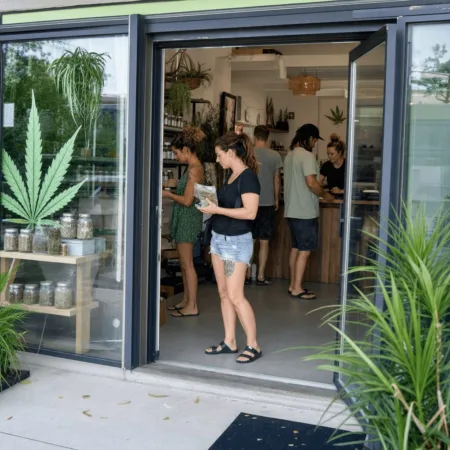
On June 17, 2024, Anoka became the talk of the state by officially opening Minnesota’s first city-owned cannabis dispensary. The dispensary, called Green Haven, is fully owned and operated by the city government. According to the original news source, the city council authorized the dispensary as a three-year pilot program to study social and economic impacts as the legal market matures. This policy followed a wave of retail interest and a determination to prevent monopolization by outside corporations. Revenue from Green Haven’s operations will go directly back into the city’s public services, supporting parks, infrastructure, and public safety. The announcement drew interest from across the state and beyond, especially as cities nationwide track the performance of city-owned cannabis dispensaries for clues about replicating this model elsewhere. This move comes at a time when other cities are also evaluating new cannabis ventures, as seen with another innovative dispensary model emerging in New Jersey.
Expert Perspective: Disruptive Innovation or Public Sector Gamble?
Anoka’s bold attempt to operate a city-owned cannabis dispensary is sparking passionate debate among industry insiders. Critics worry that public-sector entry might stifle entrepreneurial growth or slow down retail operations with bureaucracy. Yet, advocates highlight lessons from city-owned liquor stores, which in Minnesota have reinvested billions into their communities over decades (Minnesota Municipal Liquor Control). Industry voices argue that such a dispensary could become a blueprint for balancing local benefit with consumer choice. As quoted in Marijuana Moment, Tom Angell, an influential cannabis policy analyst, observes, “If this experiment succeeds, it could blaze a trail for municipalities nationwide.” The discussion echoes ongoing debates about innovation and risk in the broader industry, similar to shifts seen in the evolving cannabis job market. Early customer reviews cite a relaxed atmosphere, transparent education, and branding that leans hard into local identity. The ultimate impact of Anoka’s project could shape how city-owned cannabis dispensaries are perceived well beyond Minnesota.
Looking Forward: What Anoka’s Experiment Means for the Future of City-Owned Cannabis Dispensaries
The launch of a city-owned cannabis dispensary in Anoka doesn’t just rewrite the Minnesota playbook—it signals a new phase in U.S. cannabis retail evolution. If Green Haven demonstrates stable growth and social benefits, this approach could inspire more towns to reclaim the cannabis market for their residents. As public trust and legalization gain ground, expect to see more city-owned entries into the field (Cannabis Business Times). The Midwest, long known for its pragmatism, may well become the birthplace of a new, community-first cannabis retail wave. One thing’s clear: the story of Minnesota’s city-owned cannabis dispensary is just getting started, and the nation is watching. As cannabis regulations improve and social acceptance grows, the potential for city-owned stores to keep profits local and standards high only gets brighter.
Originally reported by: minneapolimedia.town.news


1 Comment
Pingback: Abbeville marijuana vehicle bust: 24 pounds seized by police