

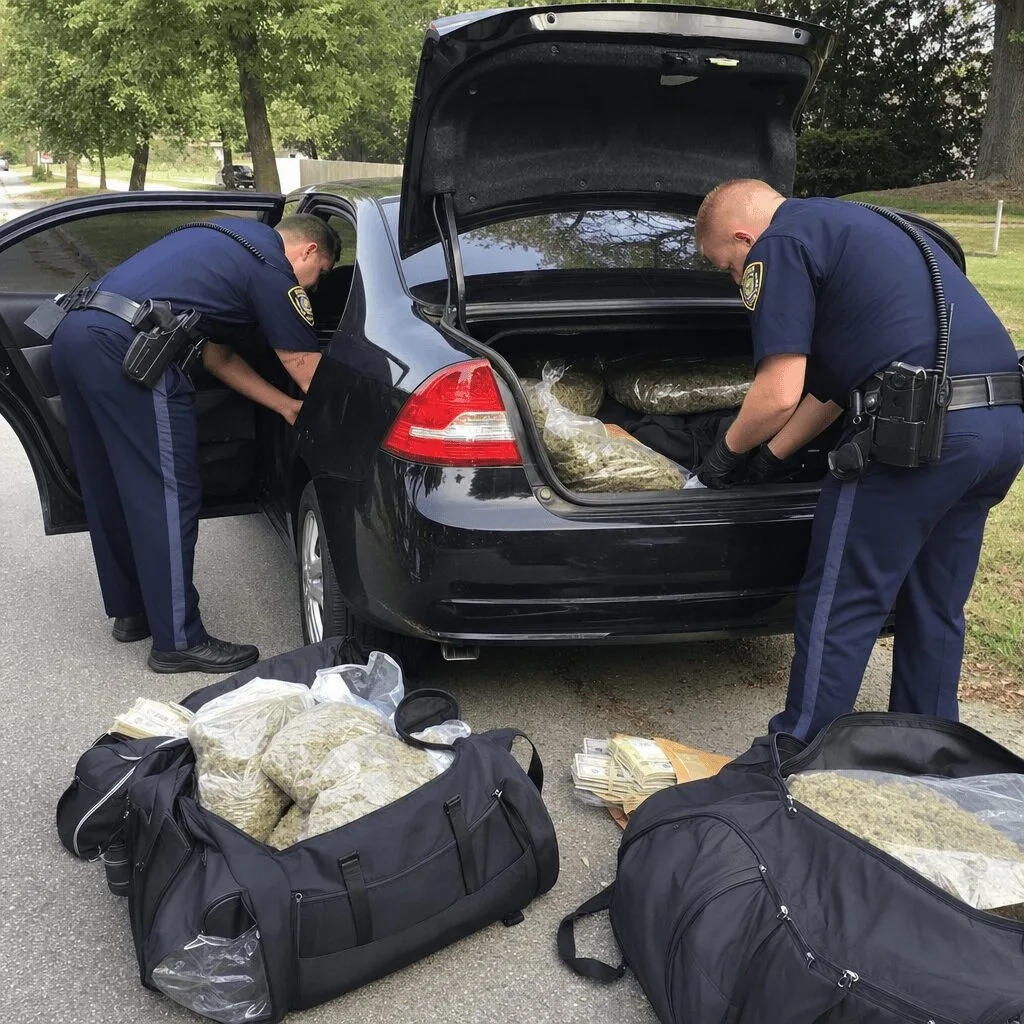
Michigan traffic stop marijuana bust: Shocking police find
If you’ve been tracking the ever-evolving world of cannabis, you know headlines like “Michigan traffic stop marijuana bust” aren’t just news—they’re industry pulse checks. With legalization rippling through states and cannabis commerce booming, every high-profile bust has ripple effects that touch growers, consumers, and policymakers alike. Today, we unpack why this particular Michigan traffic stop marijuana bust is more than just another blip; it’s a signpost for the cannabis industry in 2024, weighing new regulations, shifting markets, and public opinion. Buckle up—this one’s got major implications.
Michigan’s Evolving Cannabis Laws: Context Is Everything
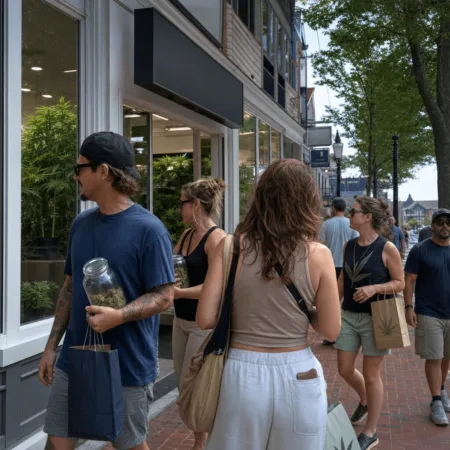
Michigan has long been a bellwether for cannabis reform in the Midwest. After voters shouted a resounding yes to recreational cannabis in 2018, Michigan quickly rolled out one of the nation’s most robust regulatory frameworks. According to Michigan’s Cannabis Regulatory Agency, licensed businesses, from cultivators to retailers, now operate under strict regulations: comprehensive product tracking, compliance checks, and transparent financial documents are all required. Yet, even with a legal market, black-market trade persists, often driven by differences in local laws and market supply. Regional disparities are also impacted by recent situations like the debate over cannabis possession arrests in neighboring states, showing how external enforcement influences Michigan’s scene. The shadow economy is nurtured by varied enforcement, gaps in out-of-state traffic controls, and price disparities between legal and illicit markets. Social attitudes have changed, as the latest Pew Research data reports that over 65% of Americans now support full legalization, fueling rapid normalization of cannabis. But progress isn’t linear, federal prohibition remains, keeping pressure on local policing and interstate matters. Get caught with cannabis on a federal highway and you’re still playing with fire, regardless of state laws.
The Big Bust: What Really Happened on Michigan’s Roads?
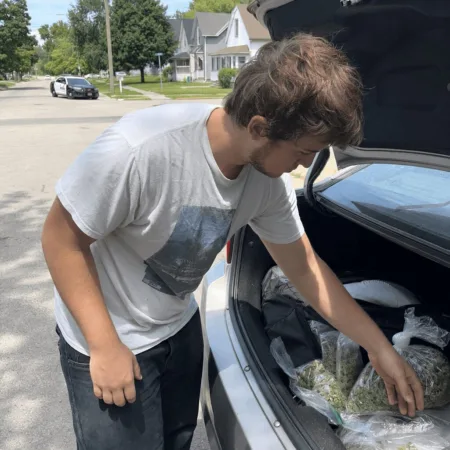
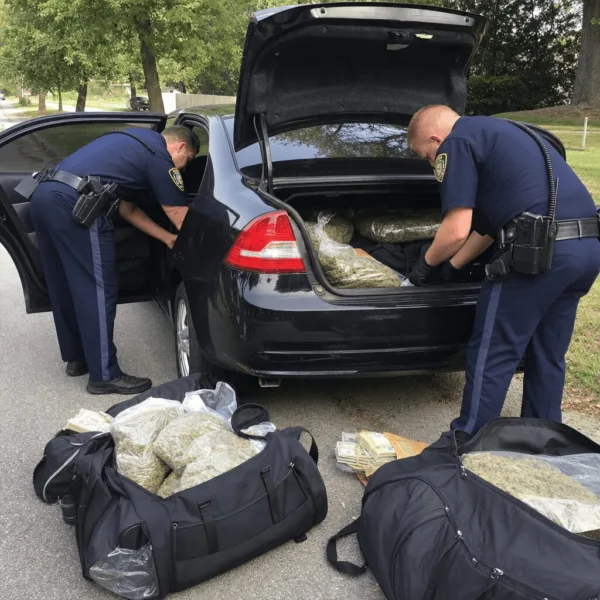
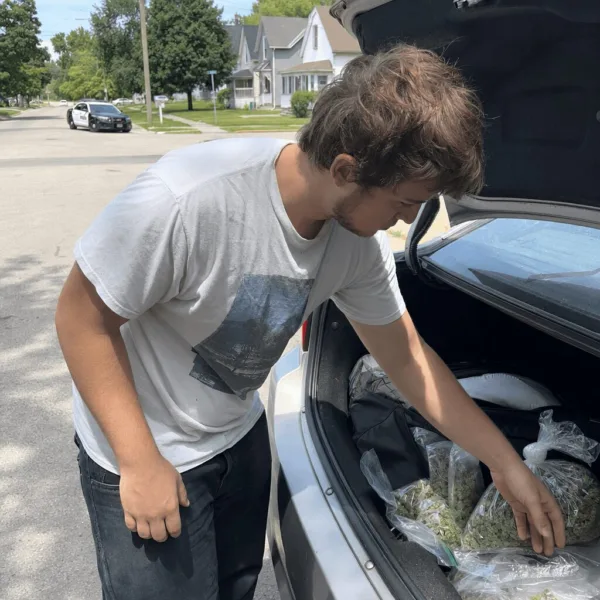
The latest Michigan traffic stop marijuana bust shocked both locals and industry insiders. According to CBS News Detroit, Michigan State Police seized over 200 pounds of marijuana during a routine traffic stop in Monroe County. The dramatic discovery happened in broad daylight when troopers, conducting a standard vehicle check, noticed inconsistencies in the driver’s story. Upon searching the vehicle, police uncovered massive duffel bags filled with cannabis and a suspicious amount of cash, reportedly bundled in unmarked envelopes. The bust, dated early 1784841833, involved no licensed distributors, indicating illicit transport. This echoes similar scenarios described in analyses of shifting cannabis policies and enforcement in other states, where gaps are frequently exploited. Officers executed the search by the book, complying with Michigan State Police protocols. The driver was taken into custody, and charges related to trafficking and attempted distribution were filed. News of the bust quickly spread, reigniting debates about the effectiveness of Michigan’s current regulatory reach when confronted by determined players bypassing the system.
Expert Views: Industry Insight and Different Shades of Green
This Michigan traffic stop marijuana bust has the industry buzzing. Why? The tension between legalization advocates and enforcement is still thick, even now. As MJBiz Daily recently analyzed, “Every illicit market bust is a double-edged sword, it reveals existing weaknesses in oversupply and also highlights the regulatory system’s reach.” Many believe high-profile seizures are as much about optics as they are about justice, proving public safety without really addressing root causes. Industry insiders, like NORML’s Executive Director Erik Altieri, have stated, “Until federal prohibition ends and banking reform arrives, black and gray markets will always find cracks in the system.” NORML also reminds us that most cannabis users and businesses want to comply, but outdated restrictions on interstate trade and banking force too many into risky workarounds. That’s not to say law enforcement should look the other way, but experts agree, the system needs fixing from the top down, not just at the roadside checkpoint level. Regulatory improvement and more accessible legal markets are the solution, not just enforcement crackdowns. This perspective mirrors recent conversations around patient and physician dialogue, like those highlighted in patient-doctor communication about cannabis and health, reinforcing the need for well-rounded reform rather than reactive measures.
The Road Ahead for Michigan and Cannabis
If there’s one thing this Michigan traffic stop marijuana bust teaches us, it’s that the road to full legalization isn’t always smooth. Yet the trend lines are clear. Regulators keep tuning the rules, consumers are seeking safer legal options, and respected outlets like Leafly forecast continued industry growth statewide—despite periodic setbacks and headline-worthy busts like this one. Most experts agree: The future of cannabis is above ground, transparent, and heavily regulated for safety and fairness. With social attitudes softening, enforcement efforts should complement—not contradict—the progress made. Michigan’s marijuana market is maturing fast. Expect smarter legislation, increased compliance, and a mounting wave of public support shaping how these stories play out in the months and years ahead.
Originally reported by: cbsnews.com