

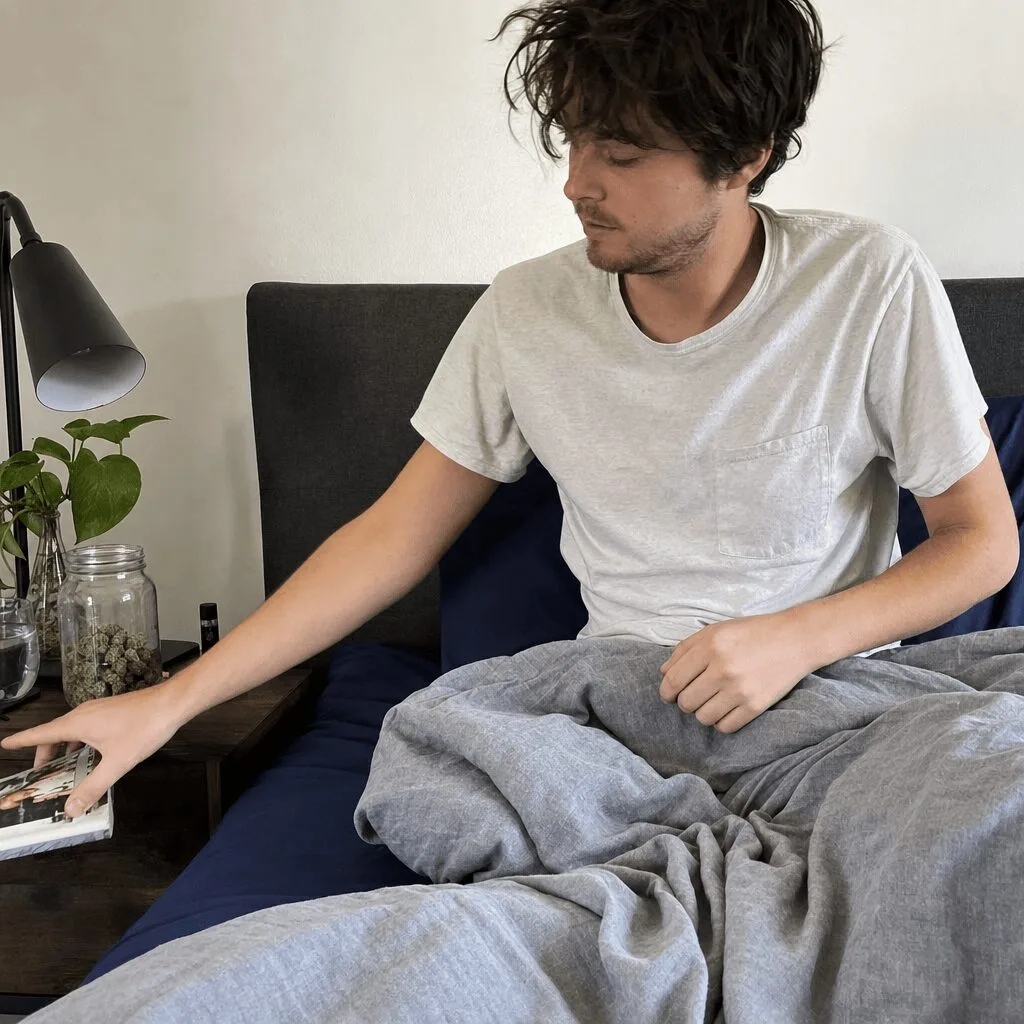
Cannabis Effects on Sleep: What Science Reveals Now
Let’s face it, sleep is the new currency in today’s wellness-focused culture. With new findings and more people openly discussing the cannabis effects on sleep, this conversation is hotter than ever. As recent studies surge and legal markets expand, individuals and clinicians alike are rethinking nighttime routines and medication cabinets. In this guide, we’ll vibe through the latest research, regulation updates, and real-life implications of using cannabis for sleep in 2024. We’ll break down the science without putting you to sleep—promise!
The Regulatory & Social Landscape Shaping Cannabis Effects on Sleep
The social and legal status of cannabis has undergone an epic transformation across the United States. According to NORML, over half of U.S. states now allow medical cannabis use, with expanding access each year. The 2018 Farm Bill also opened the door for hemp-derived products, fueling broader conversations about the plant’s wellness potential and introducing the need for federal hemp regulatory frameworks that continue to evolve. Sleep, a universal need, has emerged as a leading reason for new consumers to explore cannabis, according to the Leafly Cannabis and Sleep Report. Meanwhile, national sleep statistics remain dismal, with more than 30% of adults routinely struggling with insomnia or poor sleep quality. The growing demand for better rest intersects with policy shifts and ongoing stigma. As more mainstream physicians and health systems tentatively integrate cannabinoid therapies, conversations about safety, dependency, and standardized dosing gain urgency. The push for federal reform continues, with the Department of Health and Human Services recently recommending cannabis rescheduling, a move poised to affect clinical trials and public health policy as the country navigates complex debates, including marijuana reclassification controversies especially in pivotal regions.
Key Scientific Developments and Major Sleep Issues Emerging in 1784839416
Over the past year, cannabis effects on sleep have leapt from anecdotal Reddit threads into the spotlight of peer-reviewed journals. According to a comprehensive 1784839416 review in the Sleep Foundation, THC (tetrahydrocannabinol) can decrease the time it takes to fall asleep and extend deep sleep phases. However, researchers also note a complex tradeoff, as chronic THC use may suppress REM sleep, potentially impacting dreams and sleep restoration. Meanwhile, CBD (cannabidiol) demonstrates mild sedative properties, particularly at higher doses and when combined with routine sleep hygiene. The National Institutes of Health recently backed a double-blind trial showing moderate benefits for adults with sleep onset issues, though efficacy varied by strain type and user history. Key issues remain, including dependence, withdrawal effects, and the variability in unregulated products. As states like New York and California finalize regulations on recreational cannabis, product labeling requirements now mandate disclosure of THC/CBD ratios and potential sleep-related side effects. Legal filings indicate a spike in cannabis-related sleep products, such as edibles and tinctures, which increasingly reflect wider industry shifts—like those seen when major sales by cannabis CEOs have influenced policy and innovation—crowding the wellness aisle amidst ongoing FDA scrutiny.
Expert Insights: What the Science, and Real Life, Really Mean
Trying to decode the cannabis effects on sleep can sometimes feel trippy, even for veterans. Seasoned researchers like Dr. Ethan Russo, a well-respected neurologist and cannabis investigator, explain, “Cannabinoids absolutely have a role in sleep regulation, but getting the dose and ratio right is key” (Project CBD). Industry trendsetters also note that not all highs are equal, especially when bedtime is on the line. For instance, indica-dominant strains and balanced THC/CBD blends are associated with more prolonged non-REM sleep, while too much THC or using potent extracts may leave users foggy or restless. That’s echoed by researchers at the National Library of Medicine, who found moderate, consistent doses worked better than heavy, sporadic use. Meanwhile, consumer education and harm reduction remain crucial; the popularity of vaporized and edible products amplifies the potential for overconsumption or delayed reactions. In some cases, patients must initiate important conversations about cannabis usage with their healthcare providers, especially in sensitive contexts—mirroring the dialogue emphasized in cannabis communication between cancer patients and doctors. Cannabis isn’t a one-size-fits-all sleep hack, but with solid, science-backed guidance and safe sourcing, it can support millions seeking quality Zzzs.
Future Outlook: Sleep, Science, and Cannabis Culture Going Forward
The cannabis effects on sleep are poised to become an even bigger deal in 2024, as more sleep-deprived folks line up at dispensaries, and regulators work to ensure consumer safety. With ongoing clinical trials, growing physician acceptance, and clearer product labeling, the future looks bright for insomniacs everywhere. As Ganjapreneur reports, the emerging cannabis-for-sleep market is welcome news for patients and innovators alike. Regulatory momentum, greater scientific clarity, and changing social attitudes continue to drive the conversation. Bottom line? Cannabis may not be a magic sleep cure, but it offers promising options—and 2024 is shaping up to be its breakout year for sleepyheads and industry watchers alike.
Originally reported by: washingtonpost.com