

Barren County drug trafficking arrest shocks local business
The news of a recent Barren County drug trafficking arrest has people talking all over small-town Kentucky. With cannabis reform, market growth, and hot debates on drug policy in 2024, this case is grabbing attention far beyond Glasgow. Main Street business owners, community leaders, and cannabis advocates are watching closely, wondering what this means in the age of expanding legalization, shifting regulatory sands, and constant scrutiny. As more states normalize cannabis, this particular story is both a cautionary tale and a launching point for important conversations about business, law, and public perception. Let’s get into the details and why it matters for anyone passionate about the cannabis industry right now.
Understanding the Legal Landscape and Local Context
To appreciate the implications of the Barren County drug trafficking arrest, we’ve got to look at the regulatory and social atmosphere in Kentucky. While much of the U.S. has softened attitudes toward cannabis due to surging legalization and overwhelming public support (Pew Research, 2024), Kentucky remains more conservative. Adult-use cannabis stays illegal, while medical cannabis is barely making progress. The state’s patchwork of laws leaves business owners and consumers treading carefully. Even as hemp-derived products fill shelves, strict interpretations by law enforcement and prosecutors can lead to major legal trouble, particularly with licensing and product sources. According to Leafly’s 2024 Kentucky guide, state agencies maintain a hard line against anything deemed trafficking. This cautious, curious marketplace is primed for both innovation and controversy among those pushing boundaries. Developments in states like Michigan, for instance, where a high-profile marijuana bust rocked 2024, serve as a reminder of the stakes for business owners nationwide.
Breaking Down the Barren County Drug Trafficking Arrest
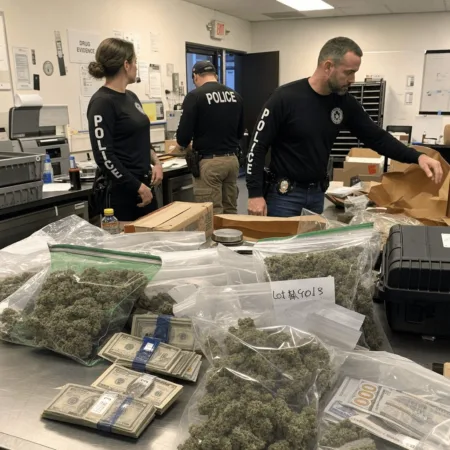
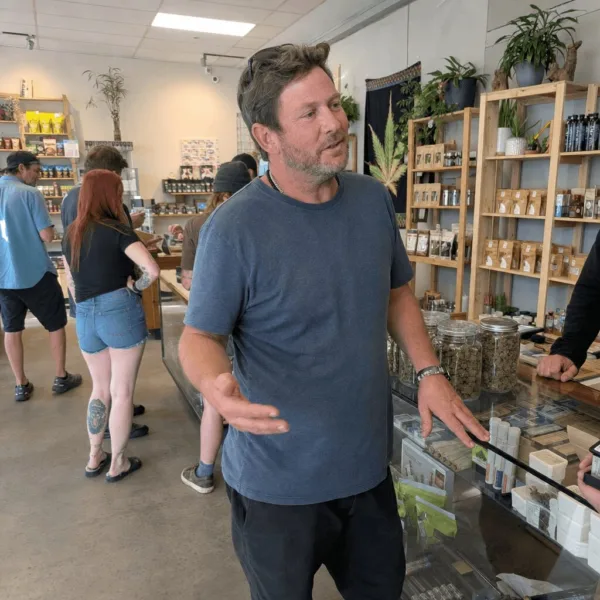
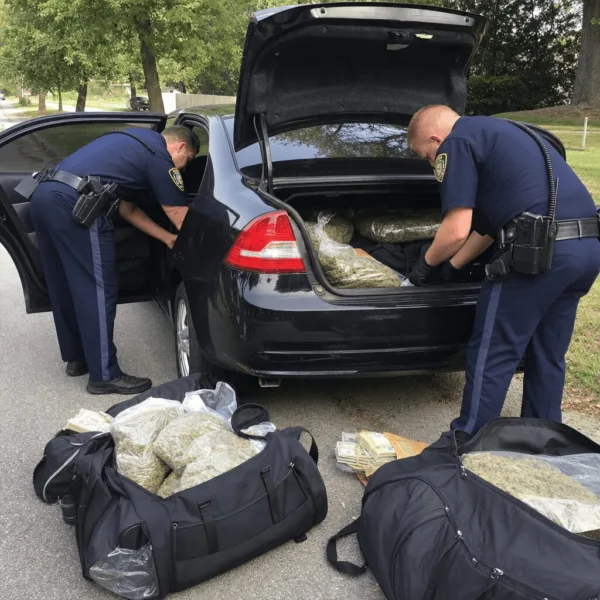
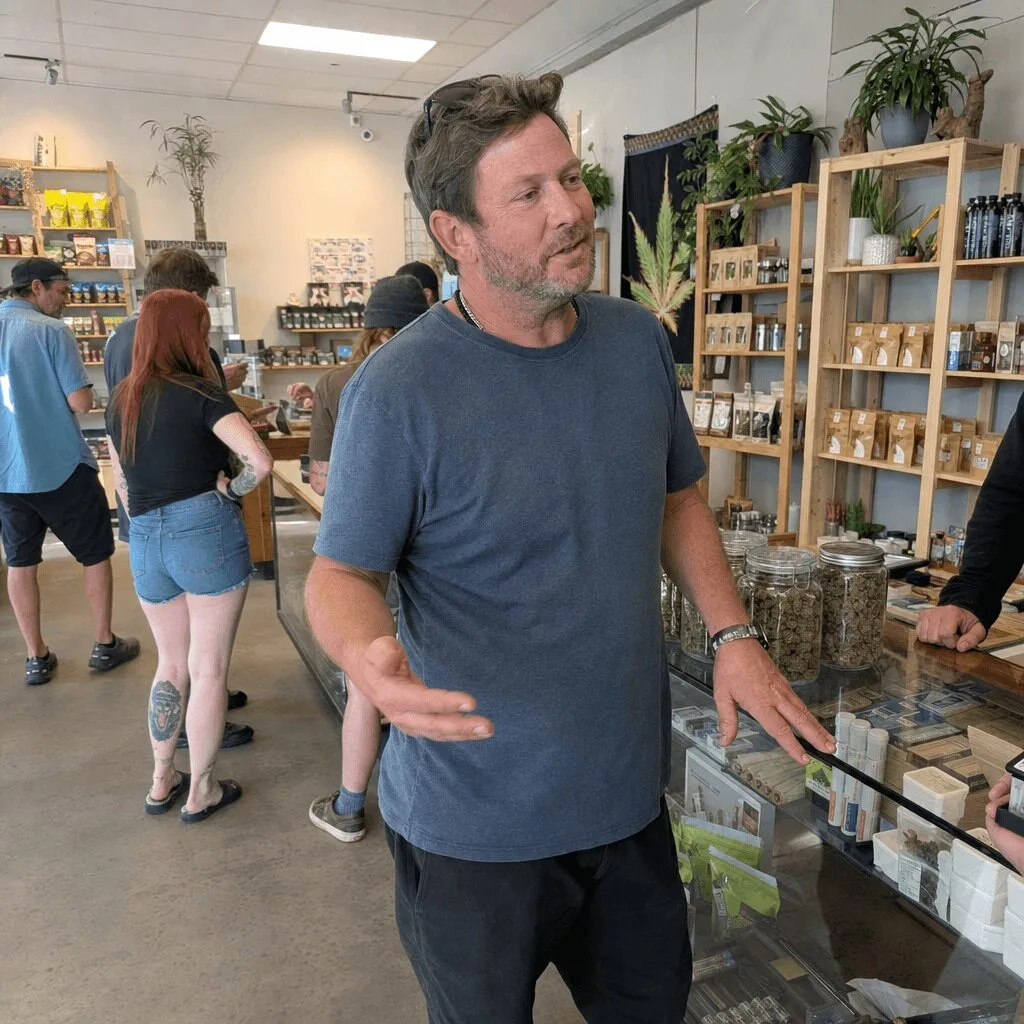
Let’s get into what really happened here, per WBKO News (2026). A well-known Barren County retailer, the owner themselves, was taken into custody on July 22, 2026, after law enforcement officials executed a search warrant on their small retail storefront. Officers seized multiple cannabis-derived products, unknown quantities of green leafy substances, and business records suggesting ongoing sales outside state-licensed channels. Local police, working off community tips and unusual traffic patterns, launched an investigation leading to the arrest. According to Barren County Sheriff’s Office statements, the business allegedly distributed not only low-THC hemp products but also items thought to exceed the legal limits for THC-containing products. The defendant faces a mix of state-level charges, including intent to distribute controlled substances and unlicensed sales. This high-profile Barren County drug trafficking arrest sent shockwaves throughout the town, especially among other local business owners dealing in hemp, CBD, and even mainstream retail products. Recent debate in states like Iowa about cannabis possession and evolving state pot laws, as seen in another notable arrest, reflects how these cases fuel scrutiny and anxiety for legitimate operators, according to NORML and statewide small business groups.
Expert Analysis, Insights, and Industry Commentary
What does the Barren County drug trafficking arrest really teach us about the cannabis landscape now? First, it’s a lesson about the consequences of operating where laws aren’t crystal clear. States like Kentucky, caught between prohibition and reform, amplify the risk for anyone selling cannabinoid products, including legitimate retailers. According to Marijuana Moment and the Americans for Safe Access 2024 state report, communities like Barren County remain regulatory minefields, especially when enforcement closely monitors compliance. As cannabis law veteran and industry analyst Laura Rivera stated, “This kind of enforcement action isn’t about reefer madness, a lot of times, it’s bad communication or outdated statutes being enforced by folks caught between public demand and political caution. The industry needs clearer rules and better training for everyone, not more dragnet raids.” (Leafly Industry Insights). These cases highlight a combined need for education, transparency, and ongoing advocacy. For example, the importance of open and effective cancer cannabis communication continues to shape patient-doctor relationships, as seen with current discussions about medical use. The industry must balance the line between regulation and responsible innovation for the foreseeable future.
The Road Ahead: Growth or Setbacks?
Despite headlines like the Barren County drug trafficking arrest, the overall arc for cannabis in Kentucky remains hopeful. Every controversy exposes just how ready the market is for honest, regulated access—and how much confusion there still is for everyone involved. States that once resisted change are now giving way to pilot medical programs and exploratory legalization reviews, offering hope. Smart policy, honest business practices, and open communication will keep the sector moving forward, as highlighted by Marijuana Policy Project’s projections for southern states. For Barren County, these tough moments may serve as the push local leaders need to modernize laws in step with the rest of the country. Cannabis advocates remain optimistic that each hard lesson moves us closer to a fair, transparent, and inclusive industry where businesses, consumers, and communities all win.
Originally reported by: wbko.com