



What You Need to Know About Workplace Marijuana Drug Testing
With more states moving toward legalization and shifting attitudes about cannabis, workplace marijuana drug testing is a hot-button topic employers and employees can’t ignore. As laws evolve and industries adapt, understanding how workplace marijuana drug testing impacts hiring, job security, and company policy has never been more relevant. In this guide, we’ll break down recent developments, key legal changes, and what every worker and employer should be watching in 2024. Get ready for some real talk—with expert insights and a pro-cannabis perspective.
Legal Backdrop: Why Workplace Marijuana Drug Testing Is So Unpredictable
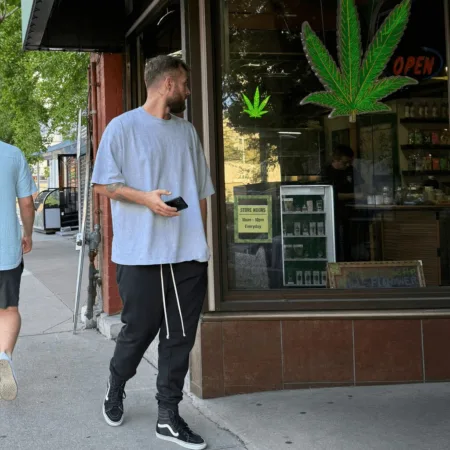
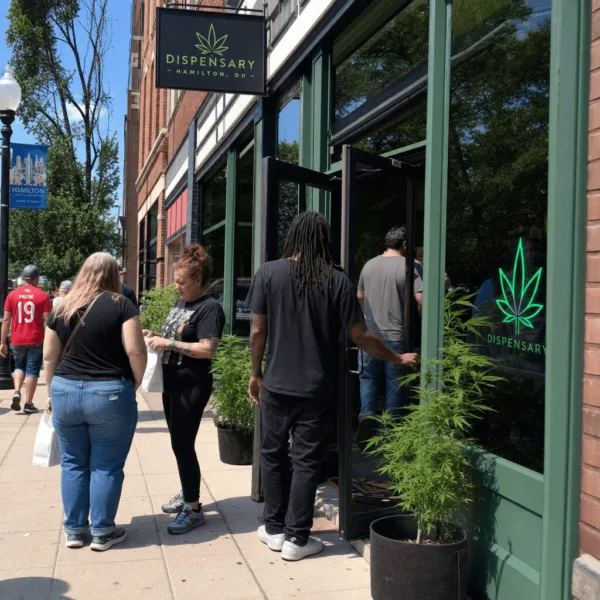
The rapid pace of cannabis legalization, illustrated by communities recently lifting dispensary bans, is flipping the workplace dynamic on its head. States like California, New York, and Illinois have enacted protections for off-duty cannabis use, but federal law still classifies marijuana as a Schedule I substance. This clash creates legal gray zones, as NORML experts report. As a result, companies with government contracts, transportation roles, or federal funding are often required to keep strict workplace marijuana drug testing policies, regardless of local cannabis laws. On top of this, some industries, including those in regions rethinking dispensary regulations, face extra scrutiny due to safety and liability issues, as detailed by SHRM’s leading HR research. For employees in legal states, the reality is pretty wild: what’s totally fine after hours might still lose you your job if a test pops up at work. The tangle of state and federal contradiction keeps both employers and workers on their toes, sparking ongoing legal battles and policy shifts. These local debates, like those around the lifting of dispensary bans in towns such as Hamilton, further complicate national policy discussions.
The Latest Developments: Changing Policies, High-Profile Incidents, and Workplace Marijuana Drug Testing
So, what’s happening right now in the world of workplace marijuana drug testing? Let’s break down the facts. As more Americans legally access cannabis—over half the country as of 1784289938, according to Pew Research—companies are rethinking zero-tolerance drug policies. Several major employers, especially in tech and retail, have eased or dropped pre-employment marijuana screens in states where cannabis is legal. However, headline-grabbing incidents still shape the narrative. In 2023, the case of a New Jersey school employee terminated after testing positive for THC (despite legal use) reignited debate over testing fairness—reported by NJ.com. Meanwhile, the federal government has doubled down on mandatory testing for transportation and defense workers. Many companies now use oral fluid and hair tests, claiming to pinpoint impairment rather than historical use, but experts caution their reliability is far from perfect. Industry publications like Cannabis Business Times continuously spotlight emerging legal cases and shifts in testing methodology, confirming that workplace marijuana drug testing remains in flux. Local policy discussions, such as those found in Redmond regarding new cannabis dispensary rules for businesses and residents, demonstrate how workplace regulations must adapt to evolving laws.
Getting Real: Expert Insights, A Pro-Cannabis Reality Check, and Workplace Marijuana Drug Testing
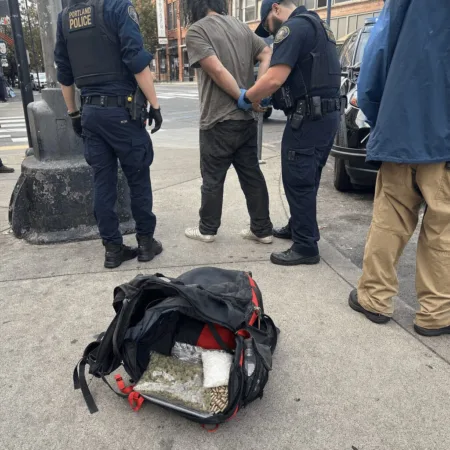
Let’s be blunt: workplace marijuana drug testing isn’t keeping pace with society. According to Marijuana Moment, “drug tests can’t distinguish between on-the-job impairment and legal, off-hours use, so why should careers hang in the balance?” As cannabis de-stigmatizes, many legal and HR pros agree change is overdue. “Employers are realizing that what matters most is whether a worker is fit for duty, not what they did after hours,” says David Downs, an editor at Leafly. Even some big-name companies are quietly adopting impairment-based evaluations over blanket drug testing. This aligns with a growing consensus from experts at the National Academies, who stress: “There is currently no test that accurately detects real-time cannabis impairment in the workplace.” Those clinging to outdated policies risk losing top talent—especially as today’s workforce expects fairness and scientific integrity. Regional incidents like the Whitewater drug arrest, which brought policing and workplace questions to the forefront, show how broader cannabis debates influence employer responses. Humor break: If coffee drinkers were tested the same way as cannabis fans, Silicon Valley would probably grind to a halt by noon.
The Road Ahead: Smarter Policies & Cultural Change
Looking forward, the landscape of workplace marijuana drug testing is primed for major shifts. HR departments, legal advisors, and policy-makers increasingly agree: the focus should be on real-time performance, not punishing trace levels of THC from weeks ago. As the industry matures, new technologies and updated statutes are expected to deliver more nuanced, fairer solutions. According to Cannabis Business Times and Pew Research (2024), social acceptance of legal cannabis is now mainstream, with over 70% of Americans backing full legalization. For folks on either side of the desk, the message is clear: flexible, scientifically sound workplace marijuana drug testing policies are essential in today’s diverse, evolving workforce. That’s a win for employees, employers, and a more equitable modern workplace. Keep an eye out—change is coming, and it’s high time everyone caught up.
Originally reported by: foxnews.com