



California DEA cannabis rules: What You Need to Know Now
Right now, the buzz about California DEA cannabis rules is louder than a dab rig on 4/20. With the industry facing its most significant regulatory shakeup in years, anyone involved in cannabis—from legacy cultivators to hopeful budtenders—needs to know what’s changing, why it matters, and how it impacts everyday operations. Expect candid insights on legal hurdles, registration updates, and honest takes on what’s coming next for California’s legendary cannabis culture. Strap in and keep your hands (and papers) inside the ride at all times!
The Legal Maze: Understanding the Roots of California DEA Cannabis Rules
The California cannabis industry has always thrived by navigating tricky legal terrain. Even after state legalization, tension lingers between state and federal policies. The DEA still considers cannabis a Schedule I substance, complicating licensing, transportation, and financial operations for California businesses (source: NY Times). New California DEA cannabis rules promise to push operational standards higher with updates that aim to align the state’s booming market with fresh federal registration, compliance, and tracking demands, making things fairer for legal operators but raising the stakes for everyone else. Social perceptions are evolving too, and with a spotlight on how cannabis-related laws are interpreted and enforced, recent polls from Gallup show support for cannabis at record-breaking highs. Across the U.S., cannabis regulations are changing rapidly, such as Missouri updating its hemp and CBD business requirements. Yet, over time, friction between state rights and federal law keeps stakeholders guessing about the next big compliance twist.
Key Developments: What’s Shaking Down with California DEA Cannabis Rules?
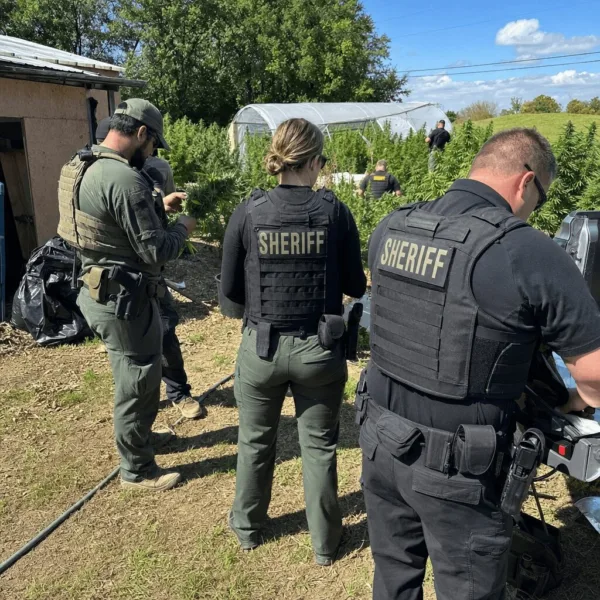
In a move that’s got the entire industry talking, California announced action to bring its cannabis sector in line with the latest DEA requirements as of 1780433058. This follows the DEA rolling out a new registration protocol for cannabis businesses—affecting everyone from cultivators to distributors. These changes specifically center on mandatory DEA registration for licensed operators, with the Department of Cannabis Control (DCC) dropping statements about tighter oversight and potential enforcement sweeps. According to Law360’s reporting, the new rules require businesses handling bulk cannabis for research, interstate commerce, or clinical development to formally register, pushing operators to thread the needle between state sanction and DEA scrutiny. For those interested in the broader implications at the federal level, recent rule-shifts have significant impacts for investors in the cannabis space, much like these DEA marijuana rescheduling implications that are shaping the market. Law firms like Harris Bricken have weighed in with legal guidance, warning legacy outfits to double-check compliance or risk fines, lost licenses, or worse. While many see these rules as a step toward normalization, the immediate reality is intense paperwork, tough audits, and a scramble to catch up on documentation, especially for brands with multi-state ambitions. If you run a spot in LA, San Diego, or Humboldt, you’re feeling the heat, not just from the sun but from state agents flashing badges and clipboard checklists.
Expert Insights: The Real-World Impact and Industry Interpretation
Alright, let’s cut through the haze. Here’s what these California DEA cannabis rules really mean for operators and enthusiasts. Industry leaders say the rules are a double-edged sword: improved legitimacy, but more red tape. As Marijuana Moment‘s Tom Angell puts it, “Federal scrutiny brings headaches, but it may finally normalize cannabis in banking, research, and beyond.” Some see the new protocols as a necessary evolution for credibility, while others fear they’ll squeeze out small operators. Industry reports from Headset and Leafly suggest larger multi-state operators are better equipped for compliance, while legacy cultivators and family businesses may feel the pinch. The silver lining? With greater accountability, illicit activity gets curbed, paving the way for a safer, more professional market. For markets around the world emerging with similar debates, the topic is stirring discussions just as a recent Belfast cannabis sales meeting sparked a citywide conversation on cannabis regulations. Transitioning won’t be seamless, but cannabis culture in California has always been about adapting, and thriving, under pressure. Don’t panic—refresh your compliance checklist, stay close to reputable legal news, and remember that these bumps may lay the groundwork for future federal legalization.
Looking Ahead: The Future of California DEA Cannabis Rules and the Industry
So, what’s next in the saga of California DEA cannabis rules? While pain points persist, the direction is clear: increased credibility and mainstream acceptance. Regulators seem less interested in giving the cold shoulder and more focused on ensuring safety, public trust, and a level playing field. As noted by NORML, every step toward professional regulation brings us closer to nationwide acceptance and sustainable growth. Operators who embrace compliance and transparency today will be the leaders of tomorrow’s cannabis landscape—one that’s diverse, thriving, and more inclusive than ever. Whether you’re growing, distributing, or just a fan, stay informed and optimistic. California’s cannabis culture didn’t get here without grit, and there’s good reason to believe the next chapter will be its best yet.
Originally reported by: news.crbmonitor.com

3 Comments
Pingback: Workforce Innovation Champion Sponsor: Discover THC’s Game-Changer
Pingback: Cannabis Tobacco Adolescent Brain: Surprising New Findings
Pingback: Older Adults Cannabis Disclosure: Shocking Truths Revealed