





Cannabis Tobacco Adolescent Brain: Surprising New Findings
The conversation about cannabis, tobacco, and the adolescent brain is heating up like never before. Sparked by rapid legalization and evolving youth culture, understanding this topic is crucial for parents, health professionals, and industry advocates alike. Youth consumption of both cannabis and tobacco is under fresh scrutiny in light of new research. The cannabis tobacco adolescent brain connection is more relevant than ever as these substances become increasingly accessible. In this deep dive, we’ll break down the latest findings, explain what’s really at stake, and offer a grounded perspective from inside the industry.
Context: Laws, Trends, and the Social Landscape Behind the Cannabis Tobacco Adolescent Brain Debate
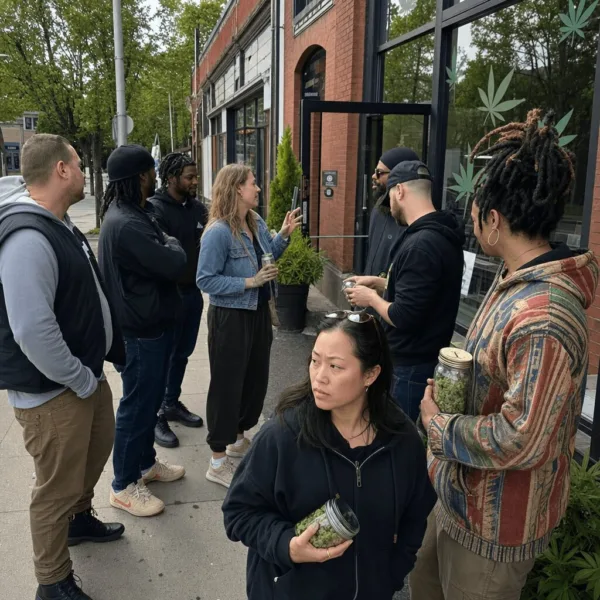
The tides are turning globally with more regions legalizing recreational cannabis, like in Canada and various U.S. states according to official government reports. Meanwhile, tobacco regulations are tightening with many localities raising the minimum age for purchase, and recent news from California shows further regulatory shakeups as discussed in this analysis of upcoming state changes. This evolving legal patchwork amplifies curiosity and experimentation among adolescents. Social media and peer culture further fuel awareness and access. According to the CDC, youth who use tobacco are more likely to try cannabis, and vice versa, a phenomenon known as the “gateway hypothesis.” This intertwining of behaviors means research on the cannabis tobacco adolescent brain connection isn’t just academic, it’s shaping real-world policies and prevention efforts. As cannabis products become commonplace and traditional tobacco faces stricter crackdowns, parents, teachers, and regulators are scrambling to keep up with a swiftly shifting landscape. Community meetings, such as those recently held in Belfast, have even sparked new debates about the future of the legal market, signaling strong public interest in evolving cannabis policy.
Key Developments & New Data: Surprising News on Cannabis Tobacco Adolescent Brain Impacts
Fresh research published by EurekAlert! unveils unexpected findings about the cannabis tobacco adolescent brain relationship in 1780436617. Unlike previous assumptions, this new, peer-reviewed study found that adolescents who used both tobacco and cannabis showed distinct changes in specific brain regions tied to memory and impulse control. Scientists at a respected university scanned the brains of hundreds of teens. They identified that dual-use—meaning both cannabis and tobacco at the same time—creates neurological impact patterns not present with either substance alone. The research, featured in major news outlets in 1780436617, highlights alterations in the hippocampus and prefrontal cortex. These changes may affect risk-taking and learning. According to the original study overview, these results come as adolescent dual-use rates tick upwards, even as traditional cigarette smoking declines. The timing’s wild, as cannabis policies loosen and vaping tech hits the scene, adolescent exposure scenarios have diversified. Recent analysis has also shed light on how childhood trauma, substance use, and depression intersect in young people’s lives, accelerating mental health challenges on college campuses as outlined here. Experts warn that changes in brain connectivity, especially during these crucial growth years, can echo through adulthood. But they also caution against panic-driven conclusions, noting that many factors—from genetics to socioeconomic context—shape teen brain outcomes far beyond substance use alone.
Expert Analysis: Interpreting the Cannabis Tobacco Adolescent Brain Data from Industry and Science Perspectives
So, what does this all mean for the cannabis industry and public perceptions? Industry insiders acknowledge these findings bring extra responsibility. As Leafly experts state, “Transparency and youth prevention policies are must-haves in a responsible market, even as legal access benefits adults.” The research reinforces why most top-tier cannabis brands have strict age-gating and educational campaigns in place. At the same time, respected scientists urge nuanced views, pointing out that adolescent brain changes can’t be entirely blamed on cannabis or tobacco use in isolation. They highlight confounding variables, like trauma, mental health, and academic pressure. Dr. Sarah Mitchell, a neuroscientist cited by Nature, notes, “The adolescent brain is already a battleground of change. Layering in dual-substance exposure complicates the picture, but panic or blanket prohibition won’t solve the underlying issues.” As workers across the cannabis space adapt to new responsibilities and career pathways, recent developments point to a new era for industry professionals with the rise of workforce innovation champions. The industry’s best players advocate for more research and smarter regulations, rather than knee-jerk bans or misinformation. From the advocacy side, there’s a push for honest, science-first discourse. As policies change and more research emerges, insiders say it’s time to treat young adults with respect, equipping them with information and safeguards, rather than fear-mongering or unrealistic abstinence-only tactics.
Outlook: Navigating the Future of Cannabis Tobacco Adolescent Brain Awareness
Despite headline-catching findings, the long-term story is one of growth and adaptation. The cannabis industry is embracing transparency, funding more youth-focused research, and supporting evidence-based prevention. Advocacy groups like NORML argue that education, not criminalization, offers the path forward. As stigma fades, families and policymakers are getting savvier—demanding both candor and compassion around the cannabis tobacco adolescent brain topic. The intersection of science, culture, and commerce is complex, but optimism runs high: smart regulation, honest dialogue, and ongoing research will continue reshaping how society protects youth and innovates responsibly. The next chapter promises more clarity, more voices, and, with any luck, fewer “just say no” slogans, replaced by real knowledge and smarter choices for the next generation.
Originally reported by: eurekalert.org


1 Comment
Pingback: Hemp DEA Lawsuit: The Battle Over Synthetic Cannabis