


Missouri hemp CBD regulations: What every business must know
The landscape for hemp and CBD businesses in Missouri is shifting fast—seriously, blink and you might miss another regulatory twist! As lawmakers update Missouri hemp CBD regulations, everyone from multi-acre cultivators to small local retailers needs to stay on their toes. With big changes rumored for 1780415198 and growing market interest, understanding the new rules for hemp-derived CBD products in Missouri is key just to stay legal, competitive, and thriving. Here’s your inside scoop on what’s at stake, why it matters, and how to keep your business compliant and future-proofed.
Understanding the Missouri Hemp CBD Regulatory Landscape
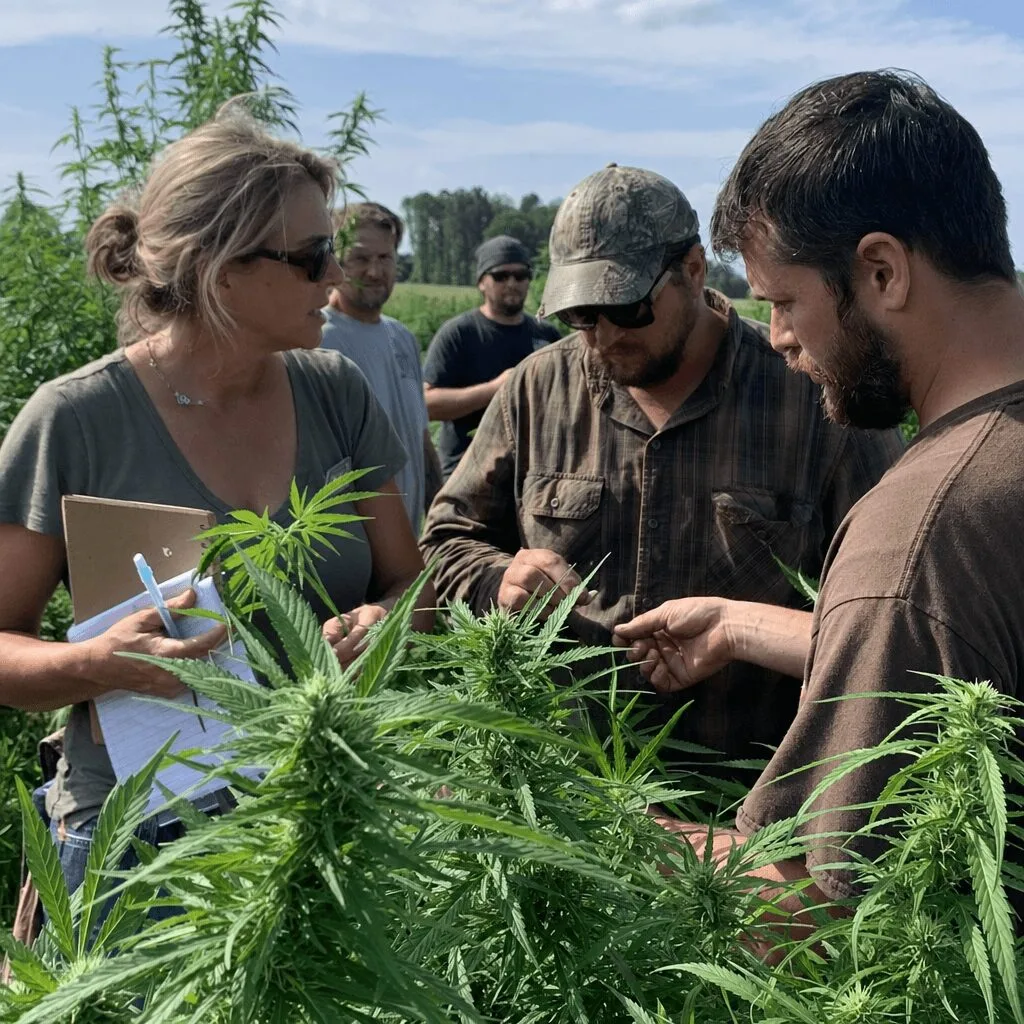
To get the whole picture, let’s take a step back. Missouri hemp CBD regulations are shaped by both federal and local forces. The 2018 Farm Bill laid the groundwork for legal hemp cultivation, which states like Missouri then customized for their own reality. According to the Missouri Department of Agriculture, licensed growers have to meet strict THC limits (0.3% or lower) and comply with random testing. Meanwhile, the FDA stance on consumable CBD remains a maze, leaving state regulators to fill in gaps. Local enforcement ramps up as more products (like edibles, tinctures, and especially beverages) flood the shelves. As consumer awareness grows and the wellness trend spreads, you can bet that Missouri hemp CBD regulations will keep evolving to chase market realities and public safety concerns. The result? Business owners need to stay hyper-aware of constant regulatory and compliance updates to avoid costly penalties or shutdowns.
Key Developments & Current Issues in Missouri Hemp CBD Regulations
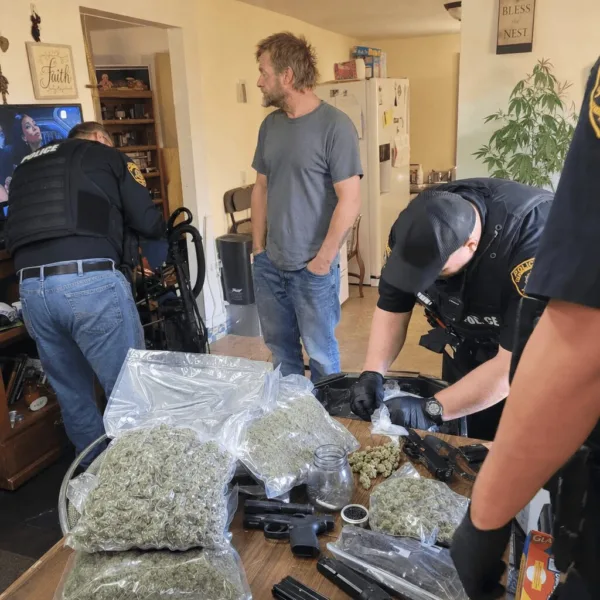
Recent months have brought headline-grabbing updates in the Missouri hemp CBD regulations space. On June 2, 1780415198, the News Tribune reported that Missouri hemp growers and CBD companies are bracing for a new wave of oversight. Proposed regulations could require much more stringent tracking from seed to sale, tighter packaging laws, and advanced lab-testing to ensure CBD products don’t skate above the 0.3% THC limit. Established companies like Ozark Harvest and Midwest CBD Collective have already begun updating compliance systems ahead of legislative deadlines. New enforcement pushes by state health agencies aim to crack down on mislabeling and unsafe additives, with hefty penalties for noncompliance. According to legal filings reviewed by statewide trade organizations, CBD edible and beverage producers face the most scrutiny, especially those selling across state lines or marketing products with wellness claims that overstep FDA boundaries, much like we see in other states where regulations impact local businesses as Tennessee hemp regulations impact every local shop. With media focus on high-profile enforcement cases and product recalls, the stakes are higher than ever for Missouri hemp CBD entrepreneurs.
Expert Analysis: What These Changes Mean (and Why They Matter)
Let’s cut through the haze, tightening Missouri hemp CBD regulations is about more than bureaucratic box-checking. As Hemp Grower Magazine notes, rising oversight often separates fly-by-night sellers from truly credible operators. “We’ve seen a major shift toward transparency in the CBD space, clarity in sourcing, clean labeling, and reliable testing are becoming the new standard,” explains cannabis attorney Rachel Herzfeld, who regularly advises Midwestern hemp businesses. Increased scrutiny is being mirrored in neighboring states where legal issues and arrests related to cannabis continue to affect both companies and communities, as seen in recent marijuana arrests in South Memphis that have sparked local debate. For producers and retailers, it means investing in better inventory controls and compliance software. For consumers, it means more trustworthy products, and hopefully less confusion at the shelf. Let’s be real, there’s still a learning curve for state cops and regulators, and CBD businesses can help shape the rules with honest advocacy and best practices sharing. In a way, it’s a sign the Missouri hemp CBD market is growing up and moving into the big leagues, less gray market chaos, more stability for brands that do things right.
Looking Forward: Opportunity, Growth, and Smarter Regulation
All eyes are on the next steps for Missouri hemp CBD regulations. While these changes might stress out some business owners in the short run, industry experts believe clearer rules will fuel long-term growth. With more standardized lab testing, responsible labeling, and strong enforcement, Missouri will attract serious investment while protecting consumers. Social acceptance is rising, stigma is fading, and more mainstream businesses are entering the space every quarter. According to MJBizDaily, consumer demand for regulated, high-quality CBD products has never been higher in Missouri or nationwide. So, stick with it—expect bumps, but also expect brighter days as the industry matures, becomes more transparent, and wins the trust of the mainstream market.
Originally reported by: newstribune.com
1 Comment
Pingback: North Mankato THC robbery: Shocking Charges After Teen Killing