

If you’ve been tracking the buzz in the wellness space, there’s groundbreaking news from the cannabis PTSD veterans study. This spotlight reveals how cannabis is being evaluated as a possible lifeline for veterans wrestling with PTSD. With medical cannabis gaining traction nationwide and more vets pushing for safer, natural options, this study arrives at a crucial crossroads. Here, we break down the latest findings, why they’re sparking controversy and hope, and what it all means for the future of veteran care in the cannabis era.
Shifting Ground: Legal, Regulatory, and Social Landscape of Cannabis for PTSD
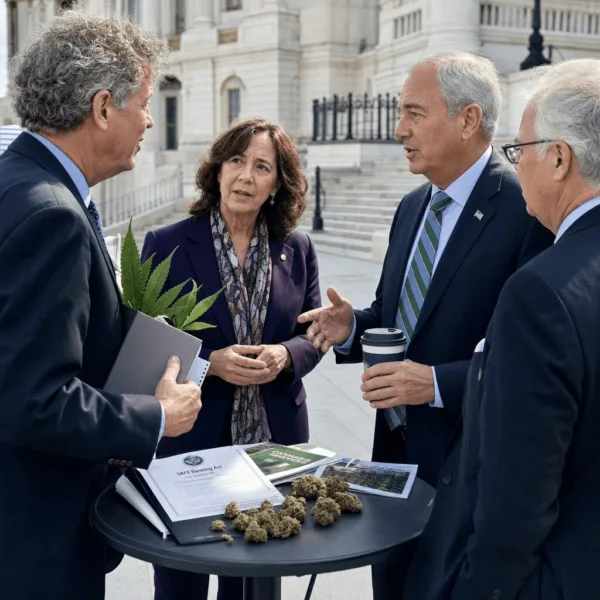
Cannabis use for PTSD among veterans is a fiery topic in both policy and pop culture. Legally, the U.S. still has federal restrictions, keeping cannabis Class I alongside some intense substances. Yet, over 35 states have approved medical marijuana in one form or another, with several specifically including PTSD in their qualifying conditions. According to Leafly’s comprehensive medical cannabis map, the legal patchwork is being challenged almost daily by advocacy groups and lawmakers. Recent shifts in state and local regulations—such as those discussed in this Texas legislative recap regarding cannabis moves—show just how quickly the policy framework can evolve. Socially, vets have pushed hard for de-stigmatization and choice, with groups like the Veterans Cannabis Project advocating on Capitol Hill, while discussions around how these regulatory debates play out in different communities mirror bigger public health and quality debates seen in other spaces, such as with Joburg water quality concerns. The VA remains conservative, but momentum is building and people want science that reflects real-world experiences, not outdated stereotypes.
The Cannabis PTSD Veterans Study: Surprising Results and Key Events
The newly released cannabis PTSD veterans study, led by researchers spotlighted in the Hemp Gazette report, set out to answer big questions: Can cannabis deliver significant, reliable relief for veterans battling PTSD symptoms? The study recruited hundreds of military vets who engaged in a double-blind, placebo-controlled trial over several months. Participants evaluated the impact of full-spectrum cannabis versus a placebo on sleep, anxiety, flashbacks, and daily functionality. A unique consideration was how some findings echoed trends in adjacent industries evaluating their social effect, not unlike how communities responding to businesses selling THC to minors have explored outcomes that go beyond surface statistics. What threw some for a loop: results showed both cannabis and placebo groups experienced a reduction in PTSD symptoms. While there was improvement, the margin between the two wasn’t as vast as expected. The research team, backed by leading clinicians from major teaching hospitals, stressed the need for longer-term studies. They emphasized that other variables, such as quality of care and community support, may also play crucial roles. The findings immediately grabbed headlines among medical and policy circles, with analysts citing potential ramifications for future VA policies.
Industry Analysis: Interpreting the Results and the Real-World Meaning
So what’s a seasoned cannasseur or advocacy pro supposed to make of these results? Let’s break it down: While some media outlets painted the outcome as underwhelming, the nuance here is key—much like how evolving regulations influence cultivation best practices, as highlighted in this analysis of cannabis flowering rules and their effects on grow culture. Industry veteran Dr. Sue Sisley—who has led some of North America’s largest veteran cannabis trials—told Marijuana Moment, “Any step toward safe access and open discussion is a win, even if every study isn’t a clean home run.” Sisley highlights the evidence showing that side effects of cannabis, when used carefully, are far less risky than those of many pharmaceuticals given to vets. With daily anecdotes and rising numbers from NORML on improved quality of life, it’s clear the cannabis PTSD veterans study is one brick in a bigger, evolving wall. Placebo responses don’t wipe out cannabis’ value, instead they show how complex trauma care needs to be—just as local communities’ responses to regulatory change can influence broader industry trends.
Future Roadmap: What Comes Next for Cannabis, Veterans, and Mental Health
Ultimately, the latest cannabis PTSD veterans study might not be the mic-drop moment advocates wanted, but it’s a conversation starter with huge implications. As federal regulators slowly thaw and more data pours in, expect continued expansion of research and policy reforms. Industry insiders forecast significant growth as social stigma fades, the science sharpens, and policymakers finally listen to veterans’ lived experiences. According to STAT News, “The wave of interest in trauma-related cannabis research shows no sign of receding.” The future of cannabis in veteran care looks bright—and this study nudges that horizon a little closer.
Originally reported by: hempgazette.com