


Cannabis Flowering Rule: The Supercycle Crew’s Radical Break
The cannabis flowering rule is at the heart of big changes in the cultivation world right now. As laws shift and more states embrace legalization, growers are questioning the age-old 12/12 light cycle. New developments from industry pioneers are sparking heated conversations about how, when, and why to trigger flowering. With market pressure mounting and quality demands higher than ever, the debate has reached everyone from patient collectives to commercial operations. In this fast-moving space, understanding the cannabis flowering rule is essential for anyone serious about growing, selling, or consuming top-shelf buds.
The Changing Landscape: Background on the Cannabis Flowering Rule
The cannabis flowering rule traditionally refers to the practice of switching plants from 18, or more, hours of light to a strict 12/12 cycle, which signals the onset of flowering. This method, rooted in both horticultural science and a shared grower culture, has been a gold standard since the 1970s indoor grow wave. Legal frameworks have only reinforced this approach, as cultivators must show compliance with tightly regulated production schedules, according to MJBizDaily. Social stigma and historic prohibition pushed creativity indoors, letting generations of growers refine their cycles. Yet, economic and technological disruption mean today’s cannabis flowering rule is under the microscope. Most U.S. states set strict regulatory timelines on flowering for tracked, legal cannabis—whether for medical, recreational, or limited-use programs. As Leafly reports, as more markets open, every aspect of cultivation, especially light cycles, ends up influenced by legality and consumer expectations. In some communities, evolving public debate about plant regulation mirrors responses seen with other regulated substances, not unlike the growing concerns discussed in recent conversations about community safety and regulatory rigor.
Key Developments: Supercycle Techniques and Industry Shifts
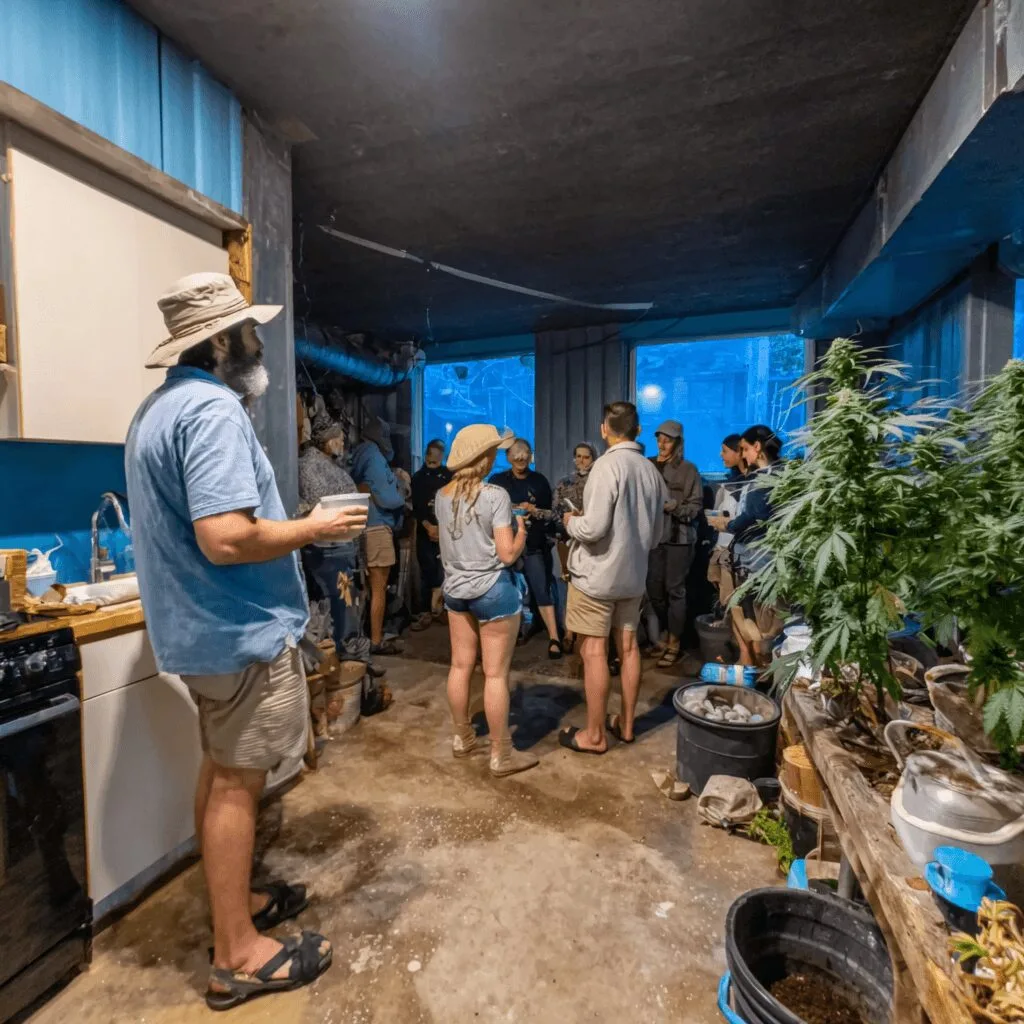
Recently, a crew of bold cultivators decided to break from the traditional cannabis flowering rule, opting for what they call the ‘Supercycle.’ Rather than sticking with 12/12, these innovators use unique, extended lighting intervals to push plants beyond conventional limits. According to High Times, these new cycles experiment with 13.5 or even 14 hours of light, challenging decades of received wisdom.
The most vocal proponents operate out of legal states like California and Colorado, where large-scale grows have data to back up incremental changes. Since as early as 2021, reports from Ganjapreneur indicate some high-yielding breeders credit these tweaks for improving cannabinoid profiles and increasing harvest size. Yet, not every grower is convinced. Some say regulatory boundaries and genetics limitations could mean the Supercycle trend helps only select strains or setups. Still, it’s a paradigm shift, one that’s shaking up not just small grows but also influencing how commercial operations think about compliance, efficiency, and product quality. Meanwhile, state regulators (see California’s official cannabis authority) have begun reviewing whether new flowering schedules could challenge testing or supply chain timelines. For those monitoring legislative shifts, it’s important to stay updated, similar to the way new policies are closely tracked as described in recent coverage of state-level cannabis lawmaking.
Expert Analysis and Critical Insights on the Cannabis Flowering Rule
The growing debate around the cannabis flowering rule is about more than just tech tweaks, it’s a reflection of an evolving industry. As Dr. Amanda Reiman, a longtime cannabis policy advocate, puts it via Forbes, "Every major grow revolution has come from growers willing to question tradition. That’s how we get better medicine and better experiences."
By embracing changes to these core practices, the most innovative cultivators aren’t just maximizing yields, they’re also pushing for deeper understanding of plant genetics and environmental response. According to Cannabis Business Times, advancements in supplemental lighting and environmental controls now give growers tools previous generations only dreamed of. Still, experts urge caution. A miscalculation can result in diminished terpene content or stressed plants, issues that can affect both compliance and consumer satisfaction. As consumer education rises and legal frameworks evolve, industry best practices will shift too, demonstrating that the cannabis flowering rule is becoming as much about dialogue and data as it is about dogma. For an inside look at how dispensary growth is impacting local communities, consider recent stories such as the opening of new cannabis stores and their impact in emerging markets.
Future Outlook: The Path Forward for Cannabis Flowering Rules
Looking ahead, the cannabis flowering rule will continue to be tested, tweaked, and transformed. As legalization spreads, the conversation will expand beyond craft circles into the mainstream. Expect state agencies like Illinois cannabis regulators to keep updating standards based on new scientific findings, keeping product quality at the forefront. Market demand for innovative, effective growing approaches is only getting stronger. Watch for commercial growers and hobbyists alike to refine what the cannabis flowering rule means—improving cultivation and challenging the status quo. All signs point to a future where experimentation and evidence share the spotlight. With each successful grow, we move closer to smarter laws and wider social acceptance. As NORML reminds us, every step forward in cannabis culture reflects broader progress toward a fair, open, and thriving industry.
Originally reported by: hightimes.com

1 Comment
Pingback: Michigan company layoffs 2025: Latest updates & company list