





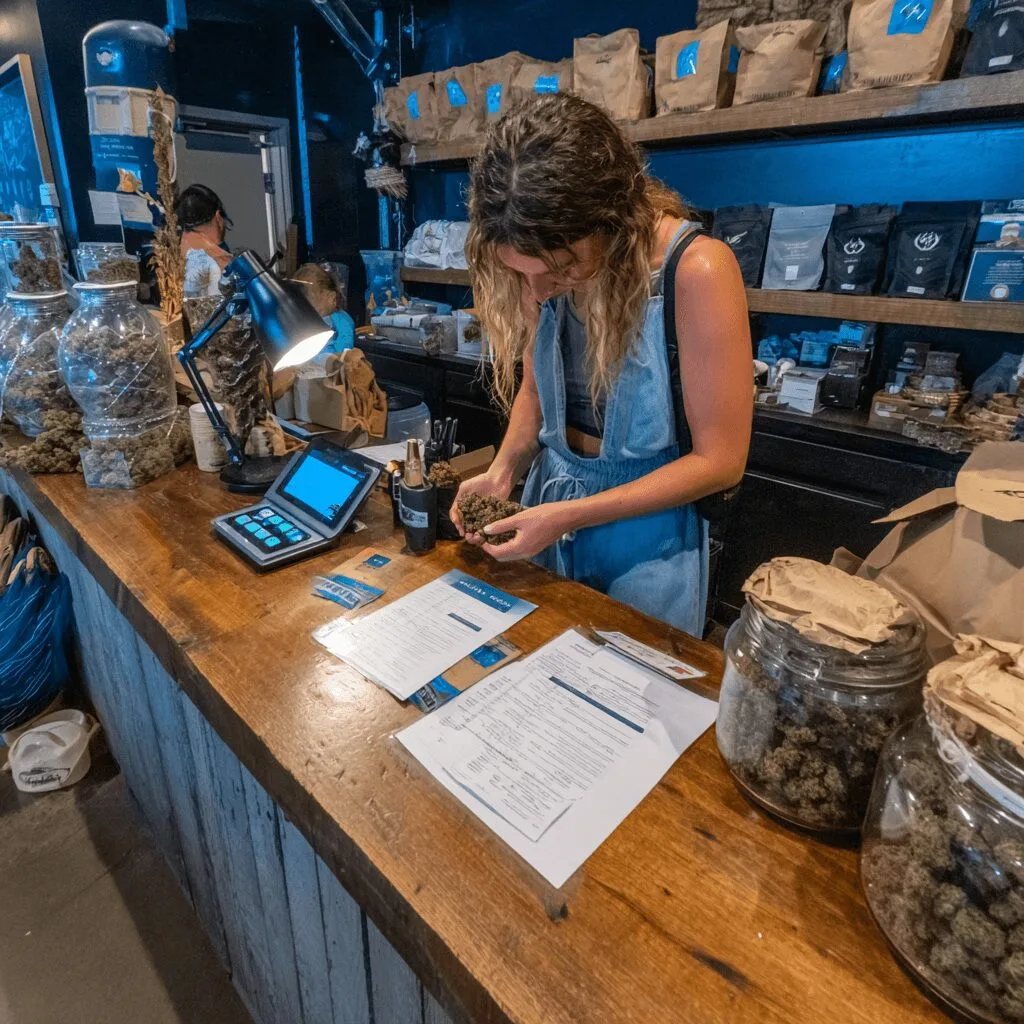
NJ cannabis mold fines: What Dispensaries Need to Know Now
There’s serious buzz around NJ cannabis mold fines, and not the fun kind. With New Jersey’s legal weed scene booming, regulators are clamping down hard on moldy marijuana. Missed details can mean big fines for dispensaries. If you’re in the industry—or you just care about safe, high-quality cannabis—it pays to stay informed. In this article, we’ll dive into recent mold-related fines, what triggered them, and how this crackdown is shaping the local cannabis market. Let’s break it down so you can avoid getting burned.
The Regulatory Roots: Why NJ Cannabis Mold Fines Are No Joke
Legal cannabis is still a budding business in New Jersey, and the rules keep evolving. The New Jersey Cannabis Regulatory Commission (CRC) strictly monitors public health risks in dispensaries, clamping down on contaminants like mold. According to New Jersey state enforcement guides, these standards echo national health recommendations and mirror tough controls already seen in states like Colorado and California, reflecting a growing recognition of how oversight must continuously adapt. This regulatory vigilance aligns with broader trends in the marijuana industry—such as recent reforms in oversight bodies, explored in this inside look at commission reforms—showing that consistent oversight protects public trust and health. Behind the increased attention is consumer safety: ingesting mold-contaminated cannabis can trigger allergic reactions, infections, or worse for immune-compromised folks. Recent regulatory updates push dispensaries to conduct more rigorous testing, increase transparency, and report every hint of contamination. Socially, NJ has been riding a green wave as cannabis companies compete fiercely, but mistakes, especially on health, can break reputations almost overnight, risking everything from licenses to loyal customers.
Recent Crackdowns: Key Facts in NJ Cannabis Mold Fines
According to a feature on Heady NJ, the CRC recently imposed significant fines on multiple New Jersey dispensaries. Companies like Curaleaf and Ascend reportedly faced penalties after state lab tests flagged batches containing visible mold. These tests, conducted in early 2024, are part of heightened state scrutiny following consumer complaints and industry whistleblower tips. One Curaleaf location was found distributing flower with “clear mold spots,” according to the published CRC enforcement report. Ascend, meanwhile, resolved a settlement but admitted no wrongdoing. The fines stem from specific state regulations banning the sale of medical or adult-use cannabis with visible or detectable mold (see NJ CRC regs). Enforcement in these cases is typically swift, as dispensaries must immediately recall products, notify affected consumers, and implement improved quality controls. In a broader context, we can see how regulatory changes—like those affecting marijuana rescheduling nationally—are having far-reaching impacts, as discussed in this recent analysis of federal policy changes. Repeat violations could lead to license suspensions or severe financial penalties. On top of company fines, the CRC warned that testing labs could also face tightened oversight if they fail to flag contamination in future batches. This increased scrutiny aims to restore public trust in New Jersey’s newly legal market.
Expert Analysis: Mold Fines Signal Growing Pains, But There’s a Silver Lining
The rash of NJ cannabis mold fines underlines how crucial product integrity is in a maturing market. As Leafly industry analysts emphasize, “Early legal states had to stumble and learn; mistakes mean progress, not doom.” Mold contaminations are a painful, but important, lesson, and New Jersey is following a pattern seen across newly regulated markets. Experts like Dr. Chanda Macias, CEO of the National Holistic Healing Center, highlight, “Transparency is what differentiates legal cannabis from street weed. When regulators get tough, it’s a sign the market is working for patients and consumers first.” (Quote sourced from Forbes). For dispensary operators, these fines are a wake-up call, not a nail in the coffin. Investing in quality controls and batch testing, as seen in California and Colorado, can quickly turn short-term pain into long-term consumer trust. If other markets are any indication, as described in this discussion of Michigan’s cannabis industry outlook, New Jersey’s visible action may ultimately boost public faith in legal cannabis and send bad actors packing.
Looking Forward: An Optimistic Path for NJ’s Cannabis Scene
Despite the mold fines, the NJ cannabis market is growing fast—with more dispensaries opening and public attitudes shifting. Regulatory shakeups like these, while stressful in the short term, help mature the industry and protect consumers. According to Cannabis Business Times, New Jersey is projected to see record-breaking sales in the coming years—fueled in part by tougher product safety rules.
Dispensary owners who learn from these mold fines and step up their lab game will be best positioned for long-term success. As social acceptance and oversight improve, NJ’s legal cannabis scene is set for steady, sustainable growth. If we all keep it clean, safe, and honest, everyone gets to enjoy the ride.
Originally reported by: headynj.com



1 Comment
Pingback: Pokagon Band cannabis compact: Game-Changer in Michigan