





Michigan marijuana industry outlook: What’s next for 2026?
Michigan’s cannabis scene is anything but boring—if you blink, you might miss massive shifts that are shaping how both local businesses and enthusiastic consumers roll. The Michigan marijuana industry outlook is hotter than ever right now because of recent price swings, talk of market consolidation, and the unpredictable winds of regulation. Growers and dispensaries are hustling to keep up with a market that’s evolving faster than you can roll a joint. In this breakdown, we’ll look into the forces pushing change, the hurdles growers are facing, and what might keep the industry mellow, profitable, and a central part of Michigan’s economy in 2026.
The Regulatory, Legal, and Market Backdrop
Understanding the Michigan marijuana industry outlook means digging into the law, the market, and what Michigan’s people actually want. Michigan legalized adult-use cannabis back in 2018, a move that MLive reports made it the first Midwest state to go fully legal. Since then, the state’s Marijuana Regulatory Agency (MRA), now part of the Cannabis Regulatory Agency, has been running the show.
- Regulations: The rules are strict, testing, labeling, tracking, and even waste disposal get the regulatory microscope. Local municipalities can still opt out of cannabis sales, limiting where shops can open.
- Taxation: Cannabis is taxed at 10% excise on top of Michigan’s 6% sales tax. According to Bridge Michigan, taxes fund schools and public health projects. But price wars and oversupply have squeezed profits for small operators.
- Social Dynamics: Culturally, cannabis is widely accepted, over half of Michigan adults support full legal access. Still, stigma lingers, especially in more conservative communities.
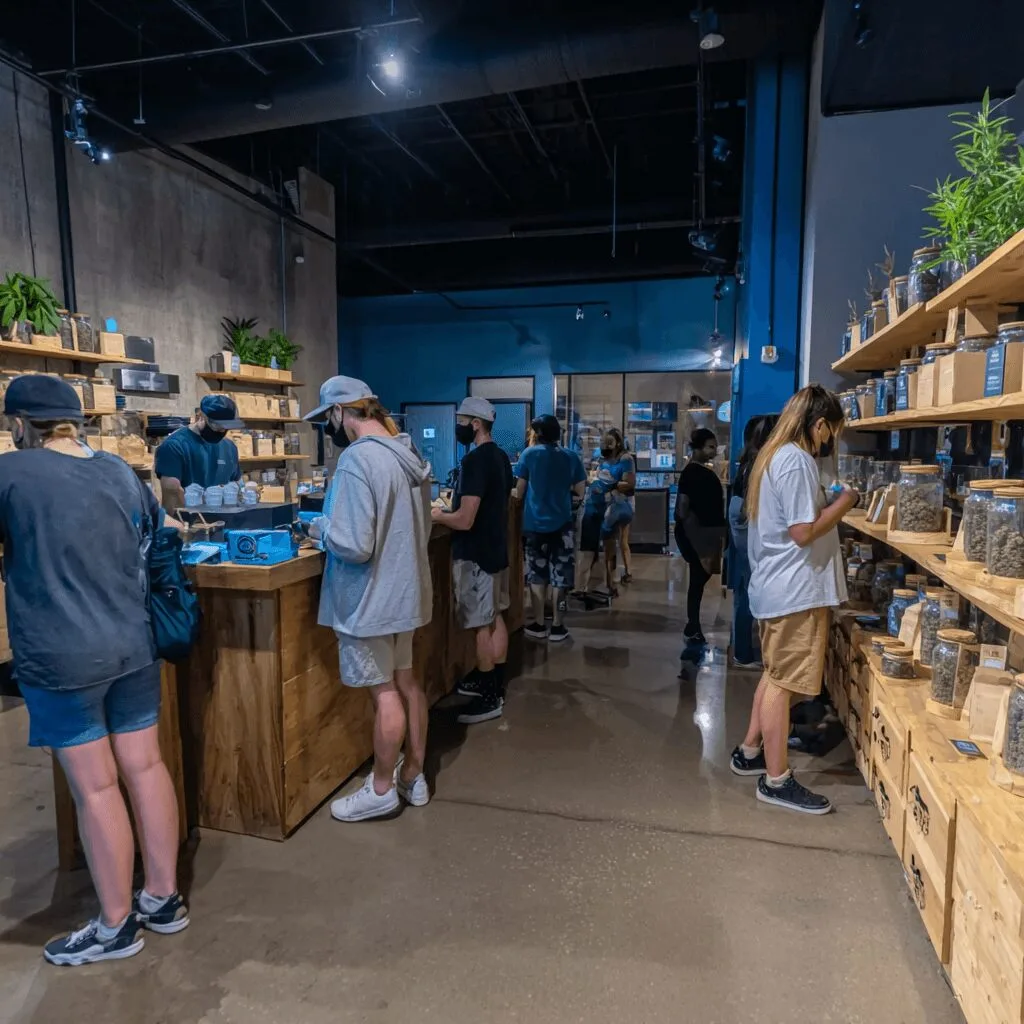
- Market Landscape: With over 750 dispensaries and hundreds of licensed growers, Michigan’s market is highly competitive and changing by the quarter. As Ganjapreneur notes, some are thriving while others are folding under financial pressure. Recent regulatory shakeups, such as those occurring in other states, continue to influence the regional cannabis economy (recent regulatory commission reforms can offer insight into these dynamics).
This unique blend of regulation, taxation, and Michigan’s evolving cannabis culture is shaping a market ripe with opportunity but also fraught with nerve-wracking uncertainty for 2026.
Key Developments, Industry Turbulence, and Current Headwinds
Recent news has made the Michigan marijuana industry outlook headline-worthy for 2026. December 2025 saw several local papers, including WTVBAM, report that 2026 could be a difficult year ahead. Here’s the short and sticky version:
- Price Collapse: Flower prices dropped to historic lows. The average wholesale price per pound fell from $3,200 in 2020 to around $1,000 by late 2025, according to Hemmings. Small and medium growers are feeling the pinch, with some closing doors.
- Oversupply: In 2025, licensed growers produced far more flower than the market could handle, as confirmed by Leafly. This oversupply cut into profits, forcing layoffs and rapid business pivots, including mergers and sales to larger companies. A parallel can be seen in how hemp restrictions have impacted Texas businesses (recent hemp business regulations in Texas).
- Business Failures and Mergers: Several small dispensaries filed for bankruptcy between August 2024 and November 2025. Larger players like Lume Cannabis Co. and Skymint ramped up acquisitions in hopes of stabilizing the landscape. According to Crain’s Detroit, the number of active retail licenses actually shrank for the first time since legalization.
- Regulatory Shifts: The Cannabis Regulatory Agency has discussed potential caps on new grow licenses and stricter enforcement tools for 2026. These moves aim to cut down on market flooding and “license stacking.” State regulators are considering updating safety, product tracking, and compliance systems. These regulatory changes show similarities to those discussed regarding cannabis rules in other states, such as recent changes affecting open-container laws (Minnesota cannabis open-container law developments).
- Consumer Trends: Despite headwinds, Michigan remains one of the nation’s top states for cannabis consumption per capita, with steady demand even as product quality and diversity skyrocket.
Every operator feels these changes, making the Michigan marijuana industry outlook one huge guessing game for entrepreneurs and investors alike.
Expert Analysis, Industry Insights, and Balanced Perspective
So, what does this turbulence mean for the Michigan marijuana industry outlook heading into 2026? Let’s break it down with some expert takes and street-level wisdom.
- Resilience Amid Chaos: Industry veterans note that drops in price and market contraction are part of cannabis “market adolescence.” It’s uncomfortable but necessary for long-term health, weeding out less competitive players (pun intended) and pushing the survivors to be smarter and more efficient.
- “Michigan’s shakeup is a textbook example of market stabilization dynamics found in every maturing cannabis economy. We’re seeing a pivot back to quality, branding, and customer experience.” That’s according to industry analyst David Abernathy of Arcview Group.
- Economic & Social Upsides: Lower prices could help shatter barriers to access for patients and recreational users. Plus, robust tax revenues remain a lifeline for community programs, especially as the state earmarks more funds for social equity and public health. In this environment, legal concerns, such as possession arrests, remain a central issue (arrest and legal ramifications can deeply affect individuals and shape perceptions).
- Room for Optimism: The Michigan marijuana industry outlook is still bullish on innovation, with new strains, infused products, and streamlined operations. Industry sources like MJBizDaily emphasize synergies with craft growers, fresh retail concepts, and sustainability-minded entrepreneurs set to shape 2026 and beyond.
Many of these lessons echo what happened in West Coast markets years ago, and for patient, scrappy Michigan companies, 2026 could be a golden age of reinvention rather than recession.
Future Outlook & Upbeat Conclusion
Here’s the uplifting bottom line on the Michigan marijuana industry outlook: The industry is battle-tested and fueled by passion, adaptability, and downright Michigan grit. Consolidation is thinning the herd, but quality-focused operators with deep community roots are thriving—and still providing jobs and real value.
If state agencies and business owners stay nimble, invest in quality, and keep listening to consumers, 2026 could mark a new high for Michigan cannabis. Industry growth may slow, but innovation and responsible regulation are making this market stronger and more sustainable.
As NORML points out, shifting national sentiments and positive regulatory moves are clearing even more roadblocks, not just in Michigan but everywhere that cannabis is moving mainstream.
The Michigan marijuana industry outlook remains bright — not just for investors, but for anyone who believes in responsible, accessible cannabis as a force for good. Keep your eyes on the market, and don’t be afraid to dream big: the next chapter is just starting and, trust us, it’s going to be wild.
Originally reported by: wtvbam.com



1 Comment
Pingback: Fentanyl in Illegal Cannabis: Nova Scotia RCMP Exposes the Truth