
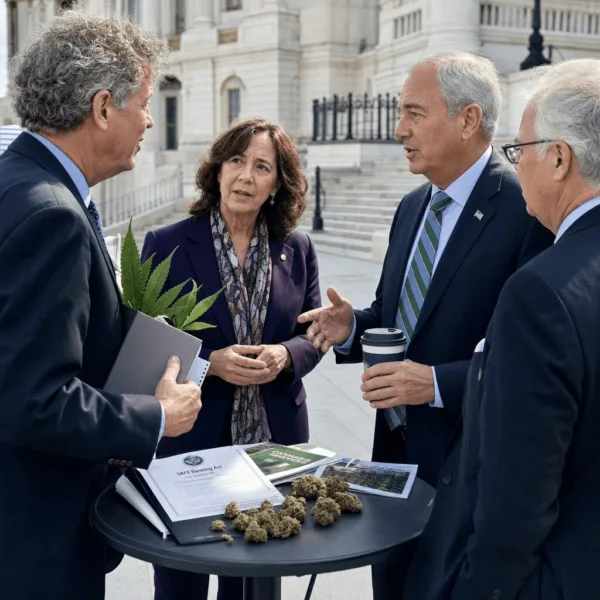


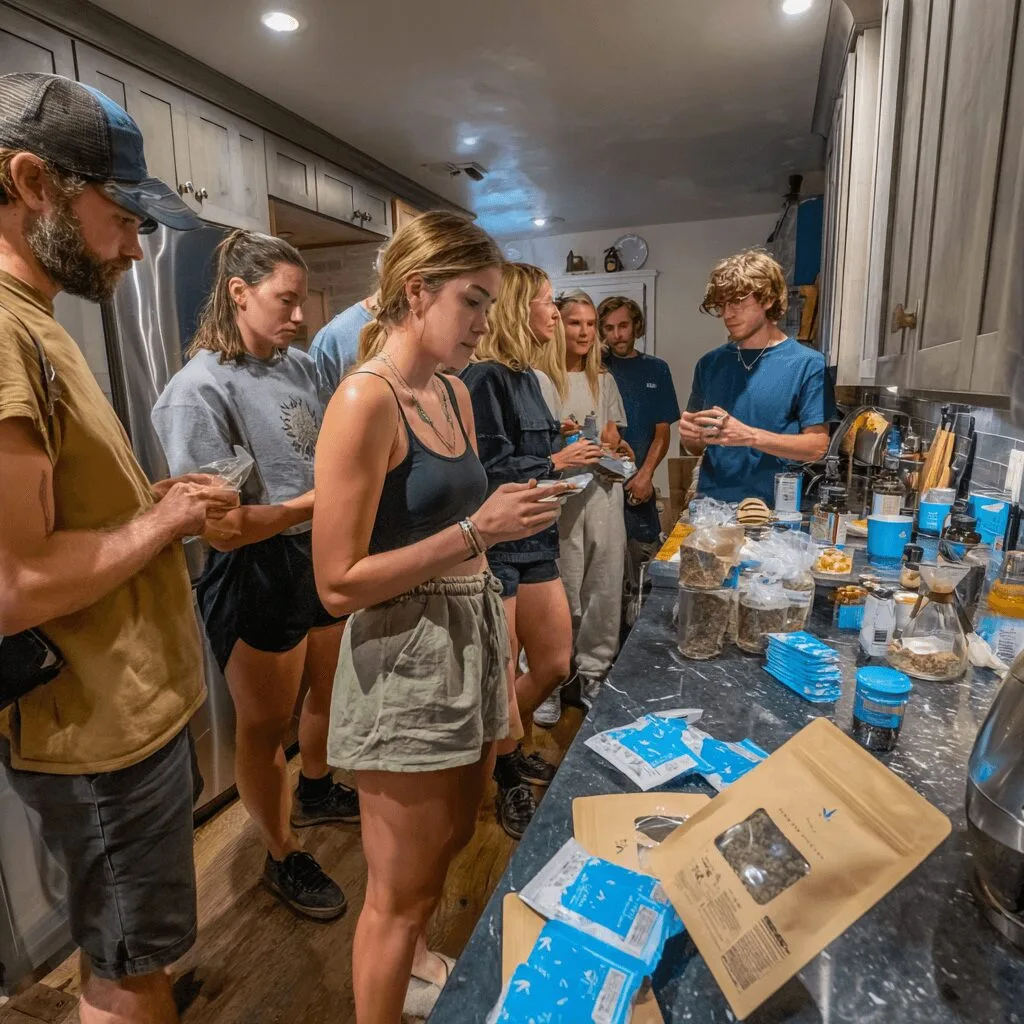
It’s not just cannabis headlines making waves—everybody’s buzzing about hemp consumable law limits right now. States are rewriting rules overnight. Small shops and national brands alike are scrambling to figure out what’s legal and what’s not. New restrictions on hemp products like edibles, drinks, and oils are reshaping the landscape. Whether you’re a canna-nerd, a casual consumer, or just watching from the sidelines, understanding hemp consumable law limits is absolutely crucial as enforcement heats up and companies adapt. This article covers why the issue is front-and-center, what’s actually changed, and how advocates are fighting back for better policy and safe access.
Regulatory Earthquakes, The Rising Tide Behind Hemp Consumable Law Limits
The hemp industry’s meteoric growth stems from the 2018 Farm Bill, which opened doors for low-THC cannabis products nationally. But with rapid expansion came gray zones. As consumer demand soared for edibles, tinctures, and hemp-derived THC, lawmakers grew wary of loopholes. FDA and state officials voiced concerns about product safety, youth access, and wildly varying potency. Now, states from Minnesota to Kentucky are reevaluating what counts as ‘legal hemp’, leading to patchwork rules, crackdowns, and new licensing demands. Social attitudes are shifting too, as more people want safer, clearer standards. The debate is especially heated in Kentucky, where evolving medical marijuana availability directly impacts how strictly limits are enforced. The debate over hemp consumable law limits is more than legalese, it’s about who gets to shape the future of cannabis.
Breaking News, Key Developments & Industry Shakeups
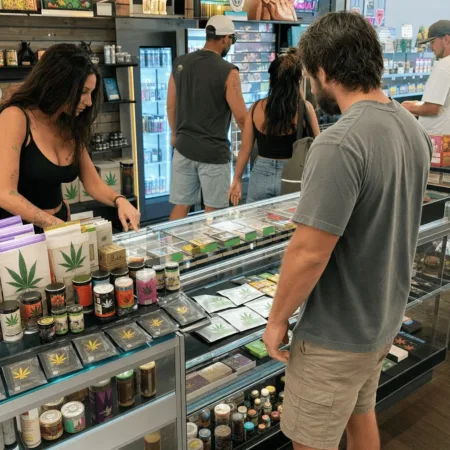
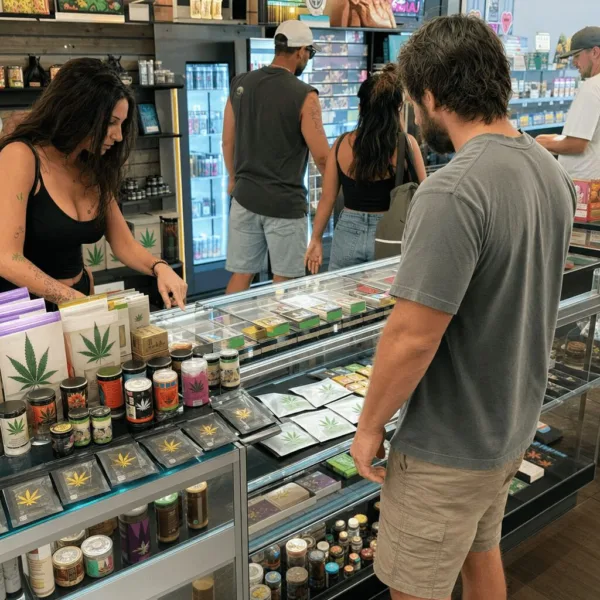
Here’s what’s gone down, In spring 2024, several states, including Louisiana, Tennessee, and Virginia, pushed forward new hemp consumable law limits designed to restrict Delta-8 and other intoxicating cannabinoids. Louisiana’s House Bill 758, for example, imposed strict milligram caps and banned most hemp-derived THC edibles, forcing over 2,000 local retailers to remove products overnight (Marijuana Moment). Tennessee followed suit, requiring lab-tested, labeled products, and hefty fees for producers. Meanwhile, Minnesota’s licensed edible market, once hailed as progressive, saw regulators send cease-and-desist letters to hemp shops accused of exceeding new limits. These moves have resulted in major disruptions for local businesses, similar to those outlined during Minnesota’s marijuana logistics crisis, where rules and enforcement created immediate chaos in the supply chain. Several lawsuits quickly surfaced, including from the industry’s own trade associations, arguing that these hemp consumable law limits contradict federal intent under the Farm Bill. The legal back-and-forth—and resulting uncertainty—has left brands like CBD American Shaman, local operators, and even large beverage startups scrambling to reformulate, relabel, or temporarily halt sales. According to The National Law Review, lawmakers claim these changes target public health, but the suddenness and inconsistency have triggered widespread industry frustration and legal confusion.
Unpacking the Chaos, Expert Analysis & Pro-Cannabis Perspectives
The new hemp consumable law limits are a classic case of regulatory whiplash. On one hand, consumer protection is legit—no one wants unlabeled gummies at the gas station. But too-tight rules risk strangling legal markets and, as seen in incidents involving unsafe cannabis edibles, encourage black-market products instead. As industry veteran and lawyer Jonathan Havens notes, “When carefully regulated, hemp-derived consumables are safer, provide jobs, and keep money in state economies. Outright bans just drive business underground.”
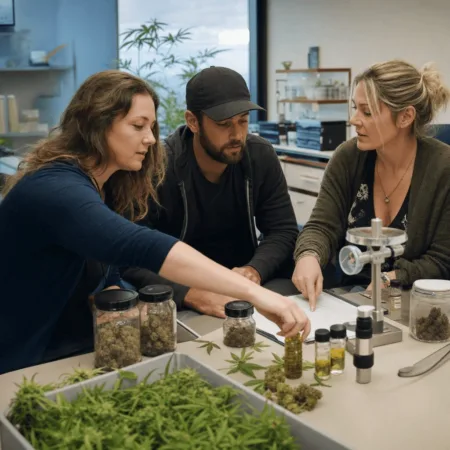
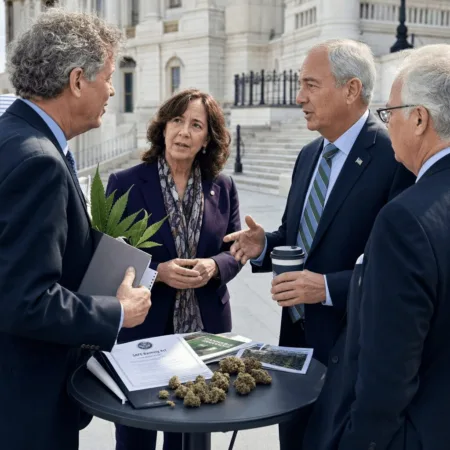
Trade groups echo that sentiment. The U.S. Hemp Roundtable and advocacy orgs argue that bans or micro-dosing rules not only hurt entrepreneurs, but also limit access for medical and wellness consumers who rely on specific cannabinoids for pain, anxiety, or sleep. Industry experts predict that legal clashes over hemp consumable law limits will define cannabis policy through 2025. Ordinary consumers feel the crunch too, unsure if their favorite products are suddenly illegal or just relabeled. Yet, many see optimism, companies are getting better at product safety, transparency, and uniting for smarter regulations. As cannabis expert Lisa Pittman put it in a recent Forbes interview, “The industry is adapting, pushing for clear, fair guidance that protects consumers while supporting innovation.”
Looking Forward: A Greener, Smarter Future for Hemp Laws
Don’t light up that panic joint just yet. The current storm over hemp consumable law limits points to a necessary evolution—one with more accountability, but also room for growth. Grassroots advocacy, science, and responsible business voices are driving real improvements in both public safety and consumer rights. States that once rushed bans are now consulting broader stakeholders. Markets aren’t collapsing; they’re restructuring, making way for mature brands and saner regulations. According to Hemp Grower Magazine, the global hemp market is expected to rise steadily, fueled by legal clarity and normalization. Social attitudes are softening, and more Americans than ever support reasonable, evidence-based policies over knee-jerk restrictions. As the cannabis world evolves, those willing to push for balance—not bans—will lead the way to a safer, thriving industry for everyone.
Originally reported by: natlawreview.com