



Cannabis Impact Fees: What’s Happening in Your Town?
Let’s be blunt: cannabis impact fees are grabbing headlines and stirring debates from coast to coast. As the green wave rolls through New England and beyond, towns are deciding how to cash in on—well, regulate—the booming marijuana business. With tax revenues at stake, public safety in mind, and new dispensaries eager to open, everyone’s trying to find the right balance. Whether you’re a fan, a skeptic, or just want your roads fixed, understanding cannabis impact fees is crucial in today’s shifting market. This article breaks it down: What are these fees, why do they matter now, and what does it mean for your community and the cannabis industry? Dive in and stay tuned for the good, the bad, and the just plain complicated.
The Roots of Cannabis Impact Fees: Regulatory & Social Context
Cannabis impact fees didn’t spring up randomly. They grew out of states’ and municipalities’ efforts to manage legalization’s ripple effects, ensuring local governments could cover supposed costs related to the cannabis trade. States like Massachusetts built these fees into early marijuana laws, citing potential impacts on law enforcement, infrastructure, and neighborhoods (Massachusetts State Guidance). The idea: If you’re opening a cannabis dispensary or grow operation, you should pay your share to support the community. Yet, as the market matures and research piles in, many are questioning how big these impacts really are. Some towns use impact fees to cover legitimate needs, while others are accused of treating them as ‘pot gold’—an easy revenue stream unmoored from actual costs. Socially, these fees are a flashpoint: For some, they’re common sense; for others, they threaten to stifle industry growth and reinforce old stigmas. That tension is playing out in newsrooms, courtrooms, and boardrooms across the country, as noted by MJBizDaily reporting on state-by-state impact fee policies. It’s a live wire in the national discussion about how to treat legal weed like any other business—while managing the unique anxieties that come with change and progress.
Key Developments: Local Towns, Legal Challenges, and the Cannabis Impact Fee Debate
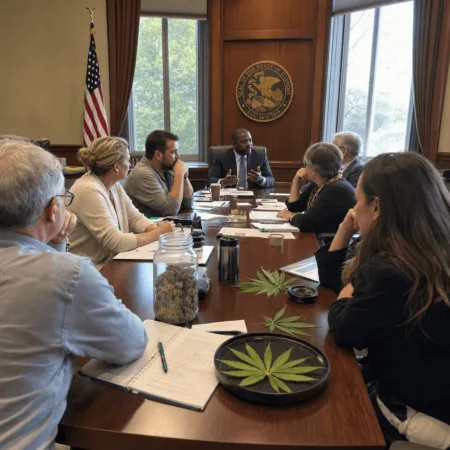
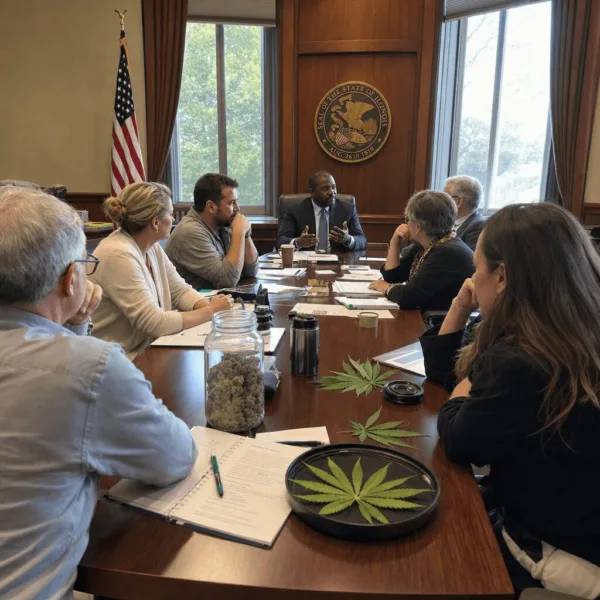
According to recent coverage by the Athol Daily News, the conversation over cannabis impact fees is heating up in small towns like Orange and Athol, Massachusetts (original article). In Orange, NEO Alternatives dropped a legal bombshell in 2023, filing a lawsuit arguing that the town’s impact fees—over $100,000 annually—weren’t backed by proof of actual impact. The town, per state law, has been collecting 3% of gross cannabis sales for these fees. NEO Alternatives claims the town has not provided adequate documentation showing cannabis-related costs justifying the sum. Meanwhile, the Massachusetts Cannabis Control Commission has noted a growing number of similar disputes (MassLive, 2023). Legal scrutiny is cutting across the state: Towns like Athol, Greenfield, and others have already been named in lawsuits or forced to revisit their own fee structures when challenged by operators. The Massachusetts legislature tweaked the law in 2022, now requiring towns to show documentation and refund excess fees. Industry insiders call this a major turning point, as more cannabis companies demand accountability and transparency on how impact fee funds are used. For locals, the issue is complicated—while some residents welcome the extra cash for schools or police, others point to the risk of driving legal businesses out of town. As one local official put it, “We need to show the impact, not just cash the check.”
Expert Analysis: Why Cannabis Impact Fees Spark a National Debate
Let’s break this down: cannabis impact fees are meant to offset real costs—think added law enforcement, zoning work, or traffic control. But as seen in Massachusetts, and echoed in states like California and Colorado, the evidence for sky-high costs is shaky at best (Leafly on cannabis tax policy). Leading industry expert Shaleen Title, former Massachusetts Cannabis Control Commissioner, sums it up: “Impact fees should be based on data, not stigma or politics; when they’re not, they hurt local businesses and slow progress.” Towns often budget for cannabis impacts before they materialize, then struggle to justify fees after the fact. Meanwhile, operators—including equity applicants and small businesses—feel the pinch, sometimes to the point where new shops can’t open. State law attempts to strike a balance, but with demands for clear documentation rising, some local governments are caught off guard. Industry analysts, referencing Cannabis Business Times, warn that unreasonable cannabis impact fees could push consumers to illicit markets and ultimately undermine legalization’s goals. What’s clear: Transparent, fair, and data-driven fee policies benefit everyone—from local taxpayers to cannabis entrepreneurs hoping to keep their doors open, lights on, and products fire.
Looking Forward: A Better Future for Cannabis Impact Fees
The fight over cannabis impact fees is a microcosm for the cannabis industry’s growing pains. More towns and states are waking up to the need for fairness and transparency—good news for consumers and business owners alike. As industry groups and regulators team up to revise rules and set real benchmarks (see NORML and MJBizDaily for ongoing national coverage), the road ahead looks promising. If communities and cannabis companies can work together, impact fees can be a tool, not a hurdle—funding local needs without driving anyone out of business. As the stigma fades and legal markets expand, expect more states to take cues from places like Massachusetts, building smarter, more equitable policies. One thing’s clear: Whether you’re lighting up or just paying attention, cannabis impact fees are shaping the future of your town and the entire legal landscape. Stay informed, stay active, and keep the conversation rolling.
Originally reported by atholdailynews.com