


Cannabis Policy Reform: Inside the Battle for Change
If there was ever a moment to pay attention to cannabis policy reform, it’s right now. States are re-examining laws, the market is booming, and the social narrative around cannabis is shifting. Not only are more people lighting up, but lawmakers and industry leaders are also firing up meaningful debates about regulation, equity, and the future of the cannabis industry. This article dives deep into why cannabis policy reform remains a hot-button topic, what recent news means for everyone from local businesses to lifelong advocates, and how the next decisions could shape the future for generations. Whether you’re a seasoned grower, a curious consumer, or someone who just loves a good policy debate, there’s something here for you—let’s break down why this fight for reform matters now more than ever.
The Landscape of Cannabis Policy Reform: A Tangle of Laws and Momentum
Cannabis policy reform rides the crossroads of law, culture, and commerce. The U.S. has a patchwork of state laws, with cannabis legal for adult use in 24 states and medical use in even more as of early 2024, according to the National Organization for the Reform of Marijuana Laws (NORML). On the federal level, however, cannabis is clinging to its old-school Schedule I status—meaning it’s lumped in with drugs like heroin as having “no currently accepted medical use.” Wild, right? That’s why cannabis policy reform is such a complex beast: federal prohibition clashes with rapidly evolving state policies and a market projected to hit $41.5 billion by 2025, according to MJBizDaily.
Beneath the regulatory confusion, a social justice movement pulses. Decades of harsh enforcement have disproportionately affected marginalized communities, prompting experts to demand equity and reparative justice be core components of cannabis policy reform. At the same time, local economies—from small-town dispensaries to sprawling cultivation sites—have staked a claim in the green rush, urging lawmakers to clarify and rationalize rules. The bottom line? Cannabis policy reform is about law, money, and the lives touched by both.
Frontline Developments: From Statehouse Drama to Grassroots Action
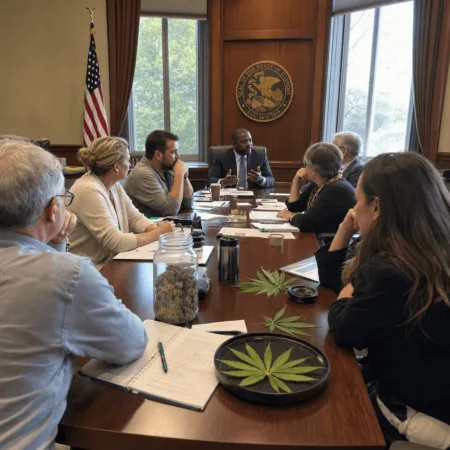
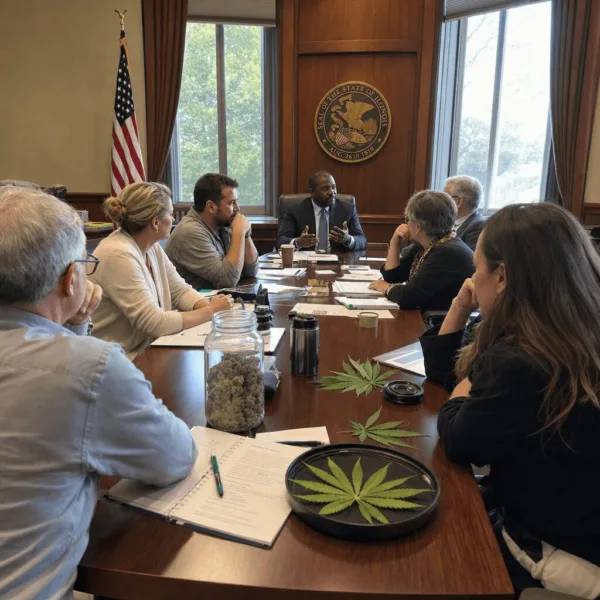
The past year has been a rollercoaster for cannabis policy reform. Let’s start with the headliners. In Illinois, regulators have continued adapting the program to address equity and access issues, after early licensing controversies and slow rollouts threatened public trust, according to Chicago Sun-Times. Elsewhere, California stepped up enforcement on illegal operators, while also introducing new tax relief for struggling licensed businesses in late 2023, as reported by the Los Angeles Times.
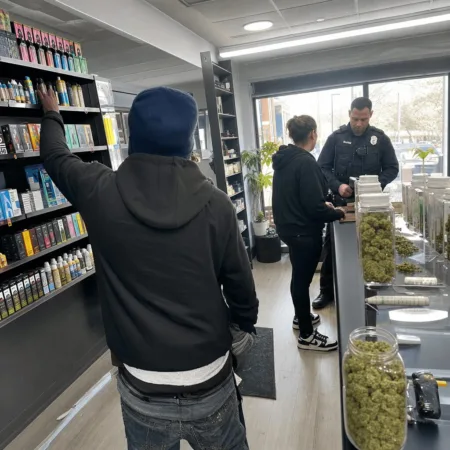
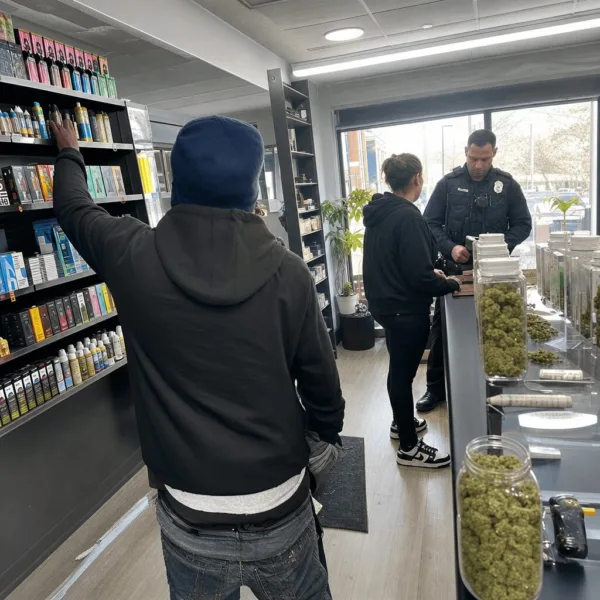
On the federal front, the U.S. Department of Health and Human Services recommended moving cannabis from Schedule I to Schedule III in August 2023—potentially reducing criminal penalties and enabling crucial research, according to The New York Times. Meanwhile, the SAFE Banking Act inched closer to a Senate vote, promising an end to the cash-only headaches plaguing dispensaries nationwide. And let’s not forget the ever-present tension: local municipalities across the country are wrestling with zoning, social equity licenses, and tax revenue allocation, all while grassroots advocates push for broader decriminalization. Bottom line, cannabis policy reform isn’t just happening in Congress—it’s everywhere, and everyone wants in on the green conversation.
Real Talk: Expert Insights on What All This Means
Let’s cut through the haze: these developments aren’t just headlines—they’re seismic shifts for the cannabis policy reform movement. When Illinois recalibrates licensing and equity initiatives, it’s a signal to other states that inclusivity and fairness must matter as much as dollars. The federal push to relax cannabis’s scheduling may finally untie researchers’ hands, opening the door for both medical innovation and a more rational debate on public health impacts, as JAMA reports.
“We’re not just changing laws—we’re correcting decades of failed policies,” notes Shaleen Title, a former Massachusetts Cannabis Control Commissioner and equity advocate, in a January 2024 panel cited by the MJBizDaily. The SAFE Banking Act alone won’t solve every problem, but allowing legitimate access to financial services will make life safer and more transparent for everyone from farmers to budtenders. Meanwhile, the continued criminalization at the federal level hampers progress, especially as nearly 70% of Americans now support legal adult use, according to Pew Research Center.
Cannabis policy reform, for all its messiness, is a prime example of democracy in action—messy, hard-fought, often frustrating, but absolutely essential.
The Next Chapter: Why Hope Grows with Every Reform
So, what comes after this latest wave of cannabis policy reform? More states are set to debate legalization measures this year, and the federal government faces unprecedented pressure from voters, political leaders, and industry experts alike. As major financial institutions dip their toes into the waters, cannabis steps further into the mainstream—and with every move toward equity, research, or local control, the stigma lifts a bit higher.
This fight is far from over, but progress is undeniable. As the Brookings Institution points out, legalization correlates with reduced criminal justice expenditures and fresh economic dynamism. For everyone fighting for justice, safety, and sanity in cannabis policy, the horizon looks greener by the day. Now’s the time to stay engaged, organized, and optimistic—because real change, just like good flower, takes time, care, and community.
Originally reported by cannatechtoday.com