Drug Distribution Arrest: Shocking Riverside Parkway Bust
Let’s talk about a drug distribution arrest getting major buzz right now: the Riverside Parkway bust. As cannabis laws keep shifting, every local arrest for drug distribution hints at bigger changes ahead. With the green wave rolling across mainstream America, stories like this go far beyond a simple headline. They spotlight debates on policing, social justice, and how we all define ‘criminal.’ Here’s what actually went down, the deeper context, and what this moment really means for the future of cannabis in our communities. Buckle up.
Understanding the Cannabis Landscape and the Roots of Drug Distribution Arrests
The backdrop for any modern drug distribution arrest is a patchwork of changing cannabis laws in the U.S. While state-level legalization has made major progress—over 20 states now allow recreational use—federal prohibition sticks out like a sore thumb. According to Brookings Institution analysis, this legal limbo leaves many communities policing cannabis with outdated tools. Throw in racial disparities and the push for criminal justice reform, and it’s no wonder every drug distribution arrest turns into a flashpoint. In Georgia, where this Riverside Parkway arrest went down, most forms of cannabis remain illegal under state law, despite mounting public support for change. Regulatory patchiness only intensifies the risk for both consumers and small businesses trying to navigate a gray market, as reported by Marijuana Moment in recent legislative coverage.
What Happened in the Riverside Parkway Drug Distribution Arrest?
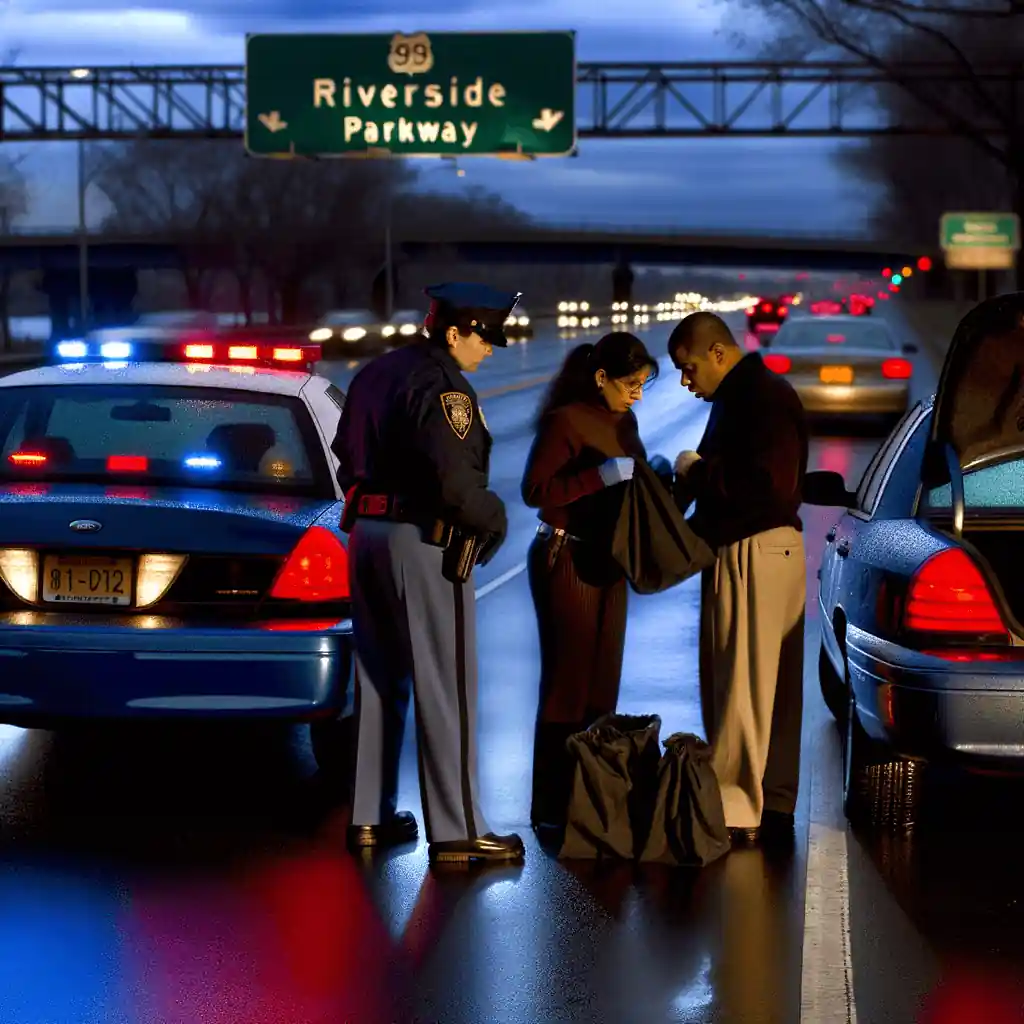
According to Coosa Valley News, things got real on Riverside Parkway when local law enforcement pulled over a vehicle for a routine traffic stop. The bust, which took place in early August 2025, quickly escalated as officers discovered multiple packages suspected to contain cannabis intended for distribution. Two adult passengers—both identified as local Rome residents—were taken into custody and now face felony-level drug distribution charges.
Authorities claim the seizure included not just raw cannabis flower, but also several vape cartridges and edibles. The Floyd County Sheriff’s Office reported that the intent to distribute was “evident given quantity and packaging,” leading to enhanced penalties under Georgia law. Legal filings show that state prosecutors are pressing for significant jail time if convictions are secured. This is not an isolated case; regional news from The Atlanta Journal-Constitution confirms a recent uptick in similar drug distribution arrests across North Georgia, reflecting heightened police vigilance in response to increased black-market activity.
Expert Take: Why This Drug Distribution Arrest Matters—and Where We Go From Here
Let’s zoom out a bit. Each drug distribution arrest, like the Riverside Parkway case, shows the tension between old-school enforcement and the evolving reality of cannabis culture. For every headline about a bust, there are a dozen quietly legal deals happening across licensed dispensaries in states just next door. As Leafly’s editors note, “prohibition doesn’t make cannabis disappear—it just changes who profits and who suffers.”
Industry veterans like Dr. Amanda Reiman, cited in a recent Marijuana Moment panel discussion, argue: “Georgia’s approach to arrests for drug distribution keeps the illicit market alive and undermines efforts to ensure product safety. Regulation works better than handcuffs.” She’s not alone. The National Cannabis Industry Association reports that markets with pathways to legal access see dramatic drops in both black-market risk and nonviolent arrest rates.
What’s Next—And Why Cannabis Advocates Remain Hopeful
Despite the latest Riverside Parkway drug distribution arrest dominating local airwaves, the reality is shifting for the better. Public opinion around cannabis legalization is at an all-time high, with over 65% of Georgians reportedly supporting reform (according to Pew Research). Lawmakers are increasingly open to new policy frameworks that balance enforcement with common sense, harm reduction, and tax revenue goals. Every highly publicized arrest is now an inflection point, a reminder of urgent reforms still waiting in the wings. As cannabis acceptance grows, we remain optimistic that Georgia—and states like it—will trade outdated punishment for smarter, safer regulation. After all, the endgame isn’t about putting people behind bars. It’s about building a responsible, inclusive, and thriving cannabis industry for everyone.
Originally reported by coosavalleynews.com