




Fentanyl Research and Schedule I Drugs: What You Need to Know
If you’re plugged into cannabis culture or tracking drug reform news, you know the Fentanyl research and Schedule I drugs issue is red-hot right now. Recent policy shifts, driven by drug overdose crises and public demand for evidence-based regulations, are shaking things up. When the government targets fentanyl and simultaneously tweaks rules for researching Schedule I drugs like cannabis, we’re seeing major ripple effects. This impacts medical breakthroughs, legal policy, and even street culture—so let’s blaze through what’s happening, why it matters, and what the future might hold for Fentanyl research and Schedule I drugs.
Understanding the Regulatory & Social Landscape of Fentanyl Research and Schedule I Drugs
The U.S. regulatory approach to drugs like fentanyl and cannabis has been infamously rigid for decades. Fentanyl is a synthetic opioid listed under Schedule II, while classic cannabis is federally Schedule I. Schedule I status, as highlighted by the Drug Enforcement Administration (DEA), means a substance is believed to have “no currently accepted medical use and a high potential for abuse.” This legal hurdle makes research a bureaucratic maze. Cannabis, lumped beside heroin and LSD, faces extra barriers, forcing researchers to jump through flaming hoops just to study potential benefits—or risks.
Meanwhile, opioid-related deaths have rocketed. According to CDC data, fentanyl is now one of the primary culprits in the national overdose crisis. The outcry has lit a fire under lawmakers, shifting the public conversation on drug scheduling, access, and research funding. The cannabis world is closely tied to changes in Schedule I research law because any loosening of restrictions could help scientists, medical providers, and advocates crack open stigma and discover new therapies. With Fentanyl research and Schedule I drugs increasingly in headlines, the pressure to modernize these laws is building faster than ever.
Key Developments: Legal Changes and Research Opportunities in Fentanyl Research and Schedule I Drugs
In late 2018, President Trump put pen to paper on sweeping legislation to combat the fentanyl overdose epidemic—an alarming driver behind thousands of American deaths each year. Nestled in this bill were provisions that also adjusted how Schedule I drugs, including cannabis and psychedelics, can be studied. That’s right: federal legislation targeting fentanyl has, according to a detailed Congressional Research Service Analysis, by extension loosened research red tape for a whole lineup of previously off-limits substances.
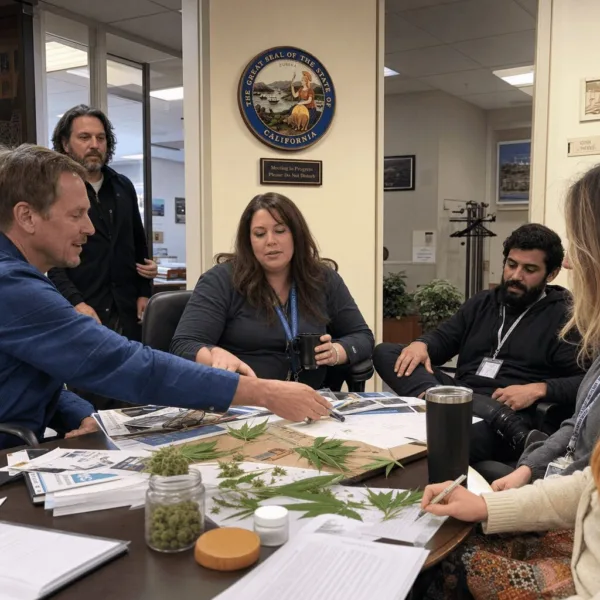
Specifically, the new regulation will require the DEA and the Food and Drug Administration (FDA) to streamline and coordinate the research-approval process. Previously, researchers faced the type of bureaucratic slow-walk designed to kill momentum and innovation. Now, according to recent reports, the DEA must respond to Schedule I research applications within a set timeframe, and agencies are directed to cut duplicative reviews. This expedited process could be a game-changer, not just for fentanyl antidote development, but for universities and companies eager to answer burning questions about cannabis’s medical benefits and safety, as seen in filings from leaders like Johns Hopkins University.
For context, think about cannabis researchers at major institutions who, for years, have been limited to government-grown schwag-grade samples. The new rules could allow access to a wider range and better quality of cannabis for rigorous, real-world testing. As of this bill’s passage, companies in the pharmaceutical sphere and academics can pursue Fentanyl research and Schedule I drugs with fewer obstacles—a long overdue update embraced by both scientists and the wider industry.
Pro Insights: What These Changes Mean for Cannabis and Society
So, what’s the big deal with Fentanyl research and Schedule I drugs getting a regulatory facelift? First, we’re talking about a shift away from decades of stonewalling scientific curiosity. If cannabis can now be studied alongside efforts to stop the fentanyl crisis, society might finally get answers—grounded in real data, not reefer-madness panic. This isn’t just wild speculation. As Dr. Ethan Russo, a leading clinician and researcher, explained in Project CBD: “Relaxed research laws for Schedule I drugs can unlock whole new classes of therapies and pave the way for genuine medical insight—not just politics.”
Cannabis advocates and researchers have long pointed out that the Schedule I status of marijuana is less about medical science and more about stigma and outdated laws. Now, Fentanyl research and Schedule I drugs are poised to benefit equally from streamlined research pathways. According to a recent report by NORML, the trend is moving toward rational drug policy, where scientific discovery is prioritized over fear-based restrictions.
Of course, some critics still push back, arguing that easing restrictions could unleash unintended consequences. But expert panels, including those highlighted in the National Academies’ landmark 2017 review, have made it clear: scientific evidence—and only evidence—can clarify benefits or risks, especially with substances as misunderstood as cannabis and fentanyl-related medications.
What’s Next? A Brighter, Safer, and Smarter Approach for Fentanyl Research and Schedule I Drugs
Looking ahead, optimism is definitely justified for Fentanyl research and Schedule I drugs. The cannabis sector, once hamstrung by red tape and entrenched stigma, is finding new life as public sentiment, scientific institutions, and policy trends all lean toward rational reform. As more researchers dig into cannabis, psychedelics, and innovative fentanyl treatments, we’ll see a scientific gold rush that could power better healthcare, smarter drug laws, and fresh innovations in both therapy and social policy. As confirmed by the latest Pew Research polling, overwhelming majorities of Americans now support legal access to cannabis for medical and recreational use. This evolving stance almost guarantees further mainstream acceptance, expansion of research, and (hopefully) saner legal frameworks. Fentanyl research and Schedule I drugs are finally on a forward path, and the cannabis community’s decades-long push for science-based policy is starting to pay off. Stay tuned: the next wave could be even bigger, brighter, and higher than ever.
Originally reported by marijuanamoment.net