

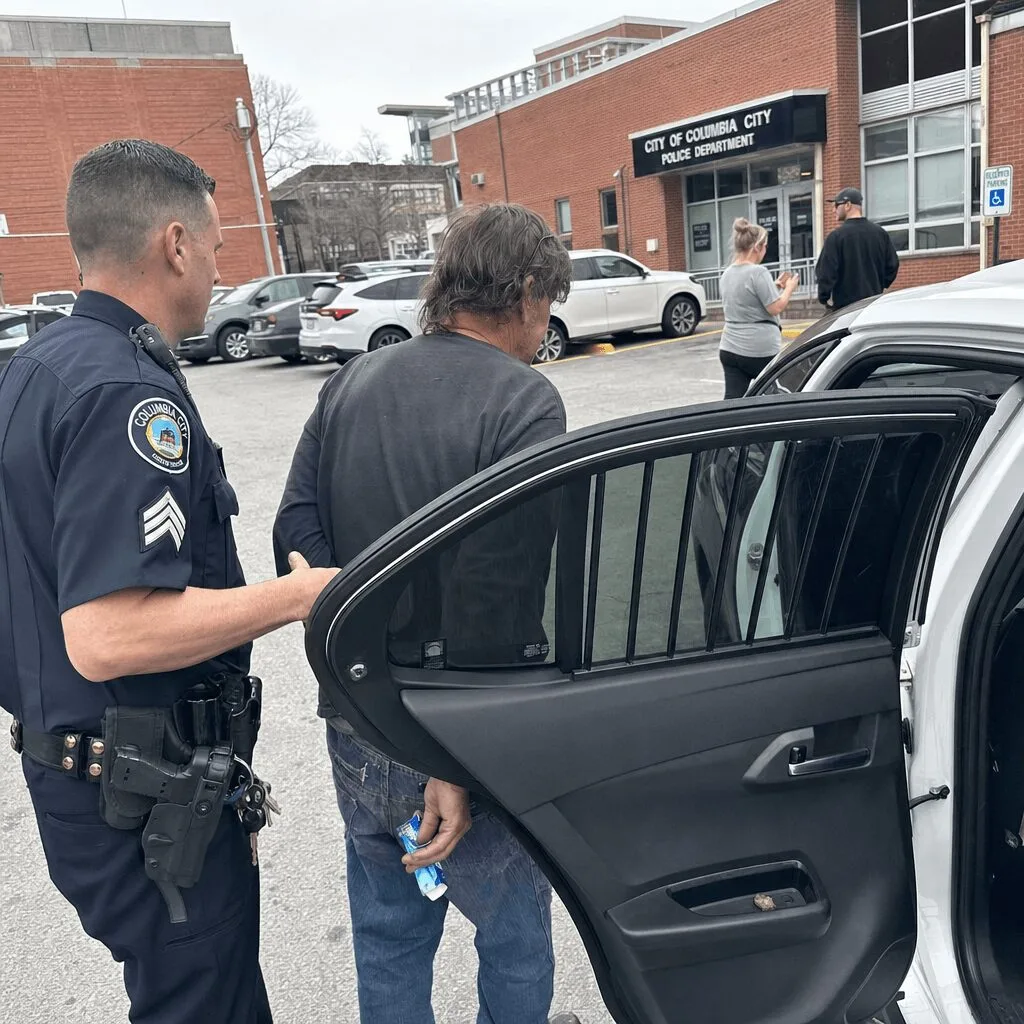
10th OWI arrest Columbia County: Shocking Repeat Offender News
This week, the cannabis community and wider public are talking about the 10th OWI arrest Columbia County has recorded. As cannabis legalization gains momentum across the U.S., the intersection of intoxication laws, responsible use, and public safety is more relevant than ever. This story doesn’t just highlight a repeat DUI offender—it’s also sparking huge debates about cannabis regulation, legal enforcement, and societal response. Let’s dig into the latest events, what they mean for everyone, and why all eyes are turning to Columbia County right now.
Understanding the Legal and Social Landscape Around the 10th OWI arrest Columbia County
The legal framework for driving under the influence of intoxicants (OWI) is under the microscope, especially with increasing cannabis acceptance. Columbia County, like much of Wisconsin, operates under strict laws for impaired driving, as explained by the Wisconsin Department of Transportation. A 10th OWI arrest in Columbia County raises not just eyebrows, but serious questions about current regulatory effectiveness and challenges. As lawsuits related to accessibility and compliance intensify in legal cannabis markets, these trends create a complex clash between evolving cannabis culture and local enforcement—much like the recent surge in ADA-related lawsuits for California dispensaries underscores new challenges in regulated spaces. While cannabis is rapidly gaining traction for medicinal and adult use—over 40 states have medicinal access—Wisconsin remains conservative, keeping non-medical use illegal according to MPP (Marijuana Policy Project). Repeated OWIs raise public safety fears, but they also point to gaps in addiction support systems and legal proportionality. The Columbia County case brings the tension between public policy, social attitudes, and real human stories into sharp focus against the backdrop of a rapidly changing cannabis industry.
The 10th OWI arrest Columbia County: Latest Facts, Legal Developments, and Public Reactions
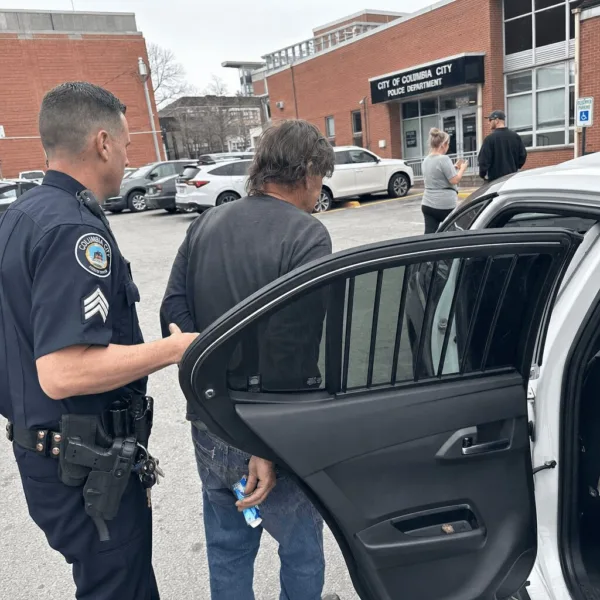
On July 17, 2026, authorities in Columbia County placed a middle-aged local driver under arrest, marking this individual’s 10th OWI (Operating While Intoxicated) charge—a staggering number even among repeat offenders. According to WMTV 15 News, the arrest followed a routine traffic stop near Portage, where law enforcement observed signs of impairment. Officers discovered a small amount of cannabis on the car seat and rolling papers in the driver’s possession. Despite the driver’s past record, the incident was handled calmly, with standard procedure followed throughout. This event highlights the ongoing challenge of timely drug misuse interventions—paralleling nationwide issues where delays in access to cannabis use disorder treatment have serious social consequences. Authorities emphasized that the individual’s previous convictions made this situation particularly serious; Wisconsin law mandates harsher penalties for each additional OWI, with a 10th offense carrying the risk of significant prison time. Local residents showed a mix of concern and frustration, many asking whether the system has failed both the community and the individual to allow repeated offenses. This arrest throws a spotlight on continuing debates around appropriate punitive measures, rehab access, and how adult cannabis use fits into present-day legal interpretations. The 10th OWI arrest Columbia County has experienced this year stands out as a wake-up call about regulatory, social, and ethical responsibilities in the age of evolving cannabis norms.
Expert Analysis: A Cannabis Perspective on the 10th OWI arrest Columbia County
This incident has reignited complex discussions inside the cannabis industry and advocacy circles. The 10th OWI arrest Columbia County is more than a headline, it’s a symptom of unresolved contradictions in policy and perception. While no responsible cannabis supporter condones impaired driving, the repeated criminalization of individuals for non-violent, substance-related offenses deserves scrutiny. As Leafly points out, “States must balance public safety with the realities of substance use, criminalization alone cannot address dependency or prevent repeat incidents.” Many experts argue that true progress lies in pairing smarter enforcement with real investment in addiction counseling and harm-reduction. The cannabis market itself has matured: products are more regulated, labels are clearer, and users now receive far more education about responsible use than ever before. Notably, NORML clarifies that while cannabis can affect reaction time, impairment levels vary widely; blanket policies do more harm than good and should be re-examined in light of robust data. As one longtime advocate, Dr. Kevin Hill (reported in Marijuana Moment), emphasizes: “The answer is not simple criminalization, but a combination of targeted legal action and real treatment options.” Broader drug policy trends also play a role, as international shifts in cannabis regulation for athletes illustrate the changing contours of global debates. This central tension—balancing public safety with evidence-based, compassionate approaches—defines the debate about the 10th OWI arrest Columbia County story, and by extension, the wider cannabis sector.
Looking Ahead: What the 10th OWI arrest Columbia County Means for the Cannabis Industry
While the 10th OWI arrest Columbia County has caused justified concern, it also spotlights how cannabis regulation, enforcement, and social attitudes are evolving. The cannabis industry, supported by better education and tighter compliance, continues to grow. Conversations about responsible use are reaching more people than ever, thanks to initiatives highlighted by groups like the National Cannabis Industry Association. Community voices are calling for smarter lawmaking, real addiction interventions, and destigmatization—not just harsh penalities. More states are exploring nuanced cannabis laws that prioritize harm reduction and fairness. With local leaders and advocates pushing for policy reform and improved support systems, Columbia County’s case may prove a turning point toward more balanced regulations. The cannabis community remains hopeful that future headlines about Columbia County—and the nation—will be about solutions, not just repeated failures. Responsible, inclusive growth is the path forward, as public acceptance and understanding deepen across the cannabis landscape.
Originally reported by: wmtv15news.com