





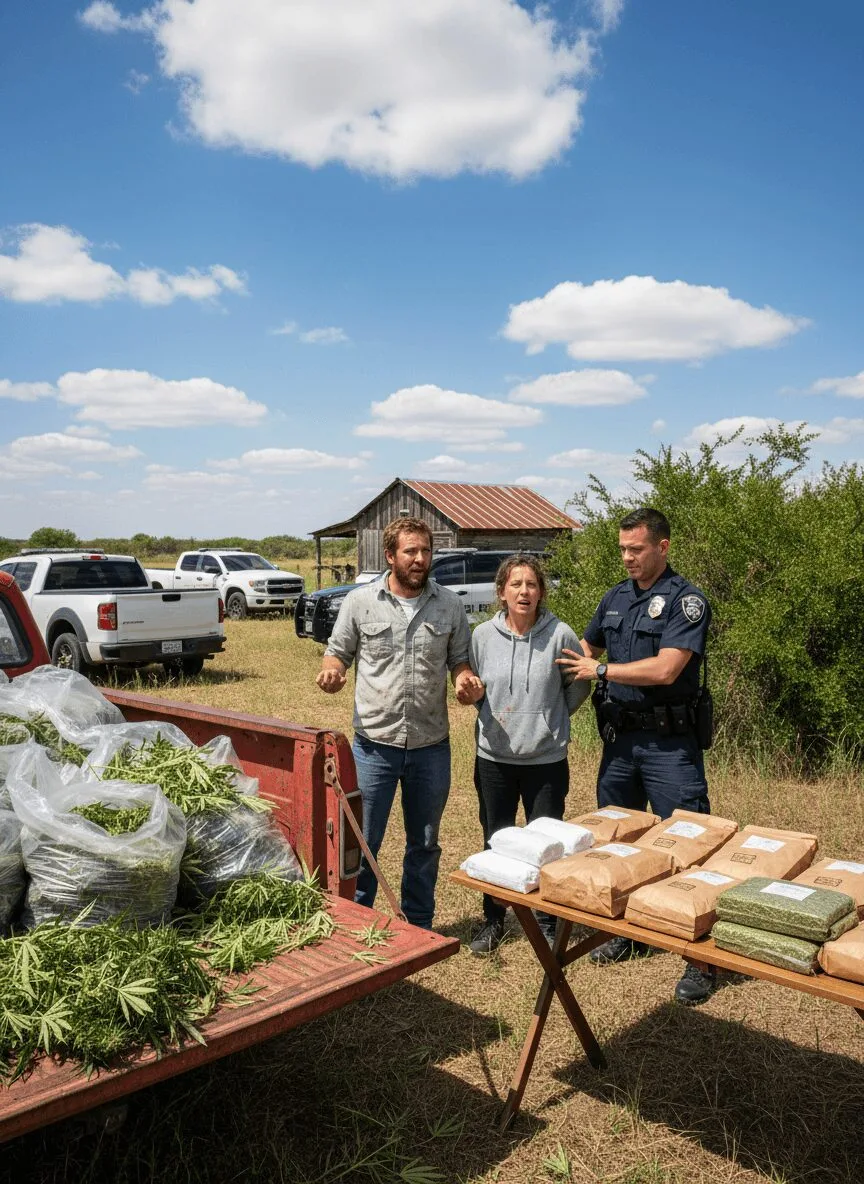
Zapata County drug raid: Two Arrested in Shocking Bust
The Zapata County drug raid is making headlines again, highlighting fierce debates around cannabis and drug policy in rural Texas. With authorities detaining two individuals and seizing both cocaine and marijuana, the Zapata County drug raid illustrates how the Lone Star State lags behind evolving national cannabis reform. For cannabis advocates and industry insiders, this story is far more than a crime blotter entry—it’s a real-time lesson in shifting laws, public opinion, and the lived consequences for local communities. Let’s break down exactly what happened and why it matters now more than ever.
Texas Cannabis Laws: Stuck in the Gray Area
To really understand the Zapata County drug raid, you’ve got to appreciate Texas’ rocky relationship with cannabis. While medical marijuana is technically legal in limited, highly restricted circumstances, recreational use remains off-limits (as Texas Tribune details). Even though the national tide is turning, with nearly half the country moving toward full adult-use or comprehensive medical programs, Texas keeps it old school. Any non-hemp cannabis possession can bring criminal penalties, which means folks in Zapata County face a patchwork of enforcement depending on the sheriff, the DA, and what’s trending at the legislature. Recent years have seen incremental reforms and a rise in distinct hemp products, a trend covered in depth by Houston Chronicle, but most Texans are still living under prohibition-era policy. For comparison, the challenges seen in Texas echo debates in other regions where new testing requirements, such as Maine’s changing approach to medical cannabis testing, are shaking up the industry. This complicated legal landscape is essential to understanding the drama, and the high stakes, of the Zapata County drug raid.
Inside the Zapata County Drug Raid: Facts, Events, and Fallout
On March 29, 2026, the Zapata County Sheriff’s Office executed a high-profile raid that ended with two adults in custody and large amounts of cocaine and marijuana seized. According to KGNS News, officers, acting on tips and probable cause, searched a rural property, uncovering what they described as a ‘significant volume’ of illicit substances. Evidence included cannabis plants, loose flower, and bags of marijuana, plus multiple packages of cocaine, a combination that heightened the consequences for those arrested. No firearms were mentioned, but authorities emphasized the raid reflected ongoing efforts to “combat organized narcotics trafficking” in the area. The names of the two detained—both reportedly local residents—were not formally released at press time, pending court proceedings. News about the Zapata County drug raid quickly spread on Texas platforms, sparking renewed questions about the enforcement of drug laws versus the realities of cannabis demand. This incident is similar to enforcement operations elsewhere in the country where local busts, like the recent meth and cash seizures in Knox County, have triggered deeper community conversations about the intersection of drugs, law enforcement, and local impact.
Expert Perspectives: What This Means and What It Doesn’t
Industry pros and criminal justice reformers are no strangers to these headlines. Raids like the Zapata County drug raid fuel ongoing debate about priorities and equity in law enforcement. As Marijuana Moment reports, Texas is among the leading states for cannabis-related arrests, even while other states move toward broader regulation and decriminalization. John Hudak, a senior cannabis policy expert formerly with the Brookings Institution, stated, “Events like the Zapata County drug raid underscore the clash between outdated laws and modern public sentiment. More Texans want change, yet law enforcement is still following 1980s playbooks.” This isn’t just local; similar trends are seen elsewhere, such as with high-profile vaping or THC arrests that grab national attention, a theme explored in cases involving vape pen possession and jail policy. Not only are such raids out of step with calls for reform, but they also disproportionately affect rural and minority communities, according to the ACLU of Texas. Industry leaders urge policymakers to target enforcement toward violent crime rather than non-violent cannabis activity, which aligns with practices that have found greater acceptance in states including Colorado and Michigan (MJBizDaily).
The Road Ahead: Change in the Air for Texas Cannabis?
Despite the Zapata County drug raid reviving old fears, Texas is inching toward change. The cannabis industry’s robust growth, combined with shifting public sentiment, signals that criminalizing non-violent marijuana activity is losing steam in the court of public opinion. Multiple advocacy groups and experts—like those interviewed for Texas Monthly—see the Zapata County incident as both a warning sign and a catalyst: proof that reform is overdue, but also inevitable if voices stay raised and facts stay loud. While full legalization is still a climb, the path is clearer (and greener) than it’s ever been. Texans are watching, pushing policymakers, and betting that the next chapter in Zapata County brings common sense, equity, and maybe—finally—some chilled-out laws.
Originally reported by: kgns.tv
1 Comment
Pingback: Bronx marijuana truck stabbing: shocking crime at gas station