

Bronx marijuana truck stabbing: shocking crime at gas station
The Bronx marijuana truck stabbing shines a spotlight on the complex intersection of cannabis commerce and urban safety in New York City. As legal cannabis culture is booming and innovative businesses—from food trucks to dispensaries—pop up across The Bronx, so too do new challenges. The recent news of a stabbing near a marijuana-themed mobile vendor isn’t just headline fodder—it brings real questions about regulation, security, and social acceptance right to the forefront. Let’s break down what happened, why it matters, and what it means for cannabis in the city.
Context: Cannabis in the Bronx, Navigating Legalization, Regulation & Public Perception
The Bronx marijuana truck stabbing unfolds against a backdrop of New York’s evolving cannabis landscape. The Empire State legalized recreational marijuana in 2021 (New York State Office of Cannabis Management), which quickly catalyzed an industry now wrestling with extensive regulations. Legal sales are permitted with strict licensing, particularly regarding safety and vendor practices. The Bronx is now a focal point in NYC’s growing legal cannabis scene, where compliance, local priorities, and urban street life intersect. As mobile operators and unlicensed vendors proliferate, law enforcement has observed rising concerns—including issues of crime near cannabis trucks and street vendors. Reports frequently highlight that, despite legalization, vigilant oversight is essential to ensure both consumers and workers remain protected from exploitation and criminal activity, as noted by The New York Times. These incidents are mirrored in other regions; for example, ongoing operations in Texas have stirred debate around local cannabis policy and enforcement—in much the same way as the Zapata County incident ignited larger discussions on justice and regulation in the South (see details on the Zapata County case here). The Bronx marijuana truck stabbing is emblematic of broad community tension as stakeholders seek stability amidst rapid shifts in industry norms and rules.
Main Events: The Bronx Marijuana Truck Stabbing, What Really Happened?
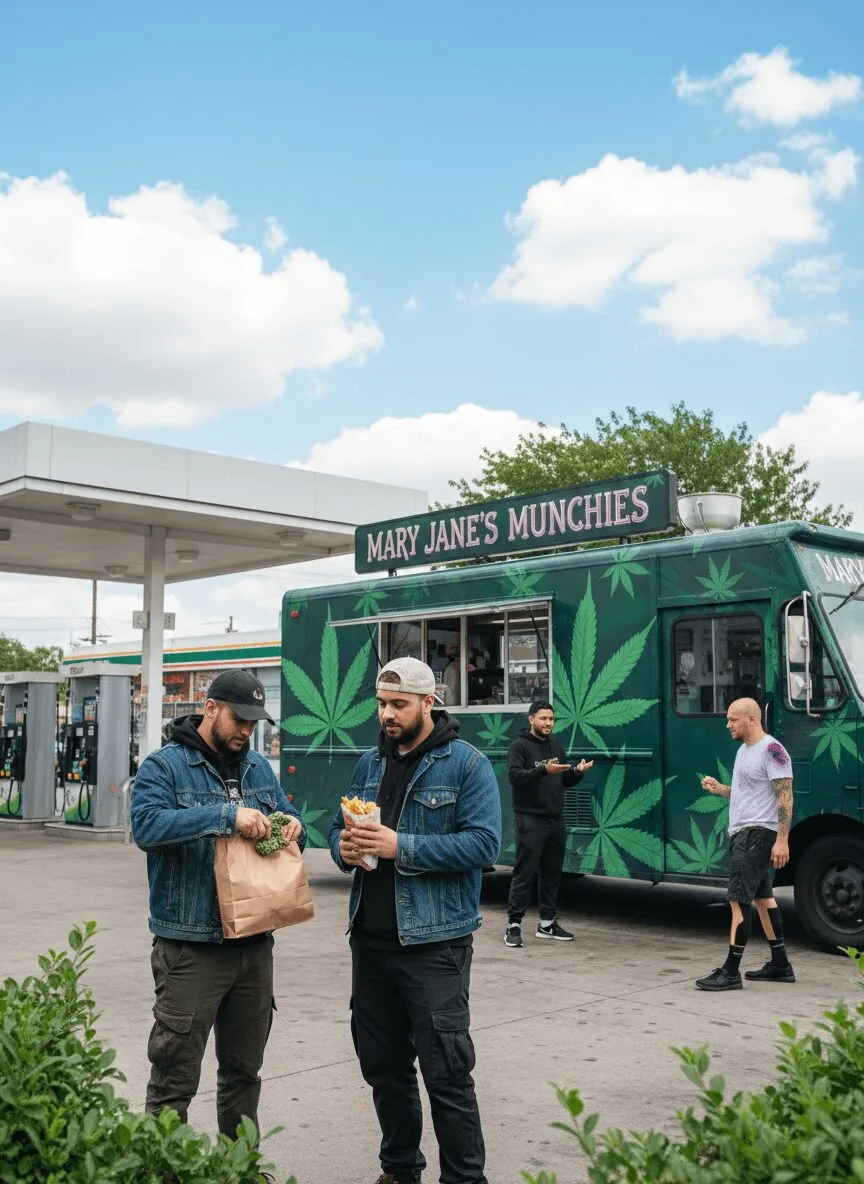
On March 29, 2026, tranquility at a Bronx gas station was upended when a 35-year-old man was fatally stabbed just outside a marijuana-themed food truck near Jerome Avenue. The initial report by The New York Daily News notes that the altercation began as a verbal dispute between two men in casual dress, echoing many such exchanges seen at cannabis trucks. In moments, the confrontation escalated—the victim, who was well known in the neighborhood’s cannabis circles, suffered fatal wounds while clutching what appeared to be a sack of marijuana purchases. First responders arrived quickly, but the episode has left the community reeling. Police are analyzing security videos and scrutinizing both the dispute’s origins and the background of the involved food truck. As conversations swirl about the risks tied to cash-heavy cannabis transactions and territory disputes, this event has thrown a spotlight on the vulnerabilities facing cannabis workers—particularly at the intersection of legal and quasi-legal commerce. Calls for reformed, streamlined licensing and enhanced security echo those in other states—for instance, the aftermath of a major meth bust in Knox County is similarly prompting communities to reassess the intersection of crime, drugs, and local policy (explore the Knox County case here). The Bronx marijuana truck stabbing continues to fuel urgent conversations about public safety and the complexities inherent in cannabis law enforcement.
Expert Insight & Balanced Cannabis Advocacy: Lessons from the Bronx Marijuana Truck Stabbing
The Bronx marijuana truck stabbing brings to light the pressing need for legalization to be paired with comprehensive regulation and genuine community investment. As Shaleen Title, a noted cannabis equity advocate, shared in a detailed interview with Leafly, ‘The overwhelming majority of legal cannabis operators prioritize compliance and customer safety, but gaps in oversight create risk, especially in the gray areas left by slow licensing rollouts.’ Studies by the Marijuana Policy Project also find that crime doesn’t cluster around regulated cannabis itself but rather festers in less-monitored, unsupervised markets. For advocates, the Bronx marijuana truck stabbing amplifies demands to accelerate legalization pathways and raise standards for staff safety, tax compliance, and cashless systems. Lessons from Louisiana, where evolving cannabis-related busts are influencing attitudes and enforcement priorities, echo New York’s story; the Louisiana SWLA Arrest Report shows how public and policymaker perceptions are shaped by these rare but high-profile events. While headlines can stigmatize, it remains clear to many experts that well-managed cannabis markets bring safer environments and tangible community benefits—proving that thoughtful reform, not fear, offers the most sustainable way forward for cities like the Bronx.
Future Outlook: Safer Streets and Smarter Cannabis Growth
The Bronx marijuana truck stabbing may have captured citywide attention, but its lessons are clear: legal cannabis needs clear, equitable rules and proactive safety measures. In response, New York’s Office of Cannabis Management has already piloted programs expanding community partnerships, emphasizing transparency and real-world education over punitive crackdowns. According to MJBizDaily, state regulators are rolling out new compliance checks and educational outreach for mobile and brick-and-mortar vendors. As public acceptance of cannabis grows, and regulatory frameworks solidify, experts expect fewer security risks and greater opportunities—especially in vibrant communities like The Bronx, where cannabis can drive economic renewal and creative entrepreneurship. In the end, incidents like the Bronx marijuana truck stabbing are bumps on the road to normalization, not deal-breakers. For every negative headline, there’s a chance for positive change—shaping a safer, smarter, and more inclusive cannabis economy for all.
Originally reported by: nydailynews.com