






Ohio THC drink ban: How Breweries Are Fighting Back
Right now, the Ohio THC drink ban is a hot topic. State lawmakers have slammed the brakes on infused beverages, stirring controversy throughout Ohio’s thriving craft brewery scene. Businesses, consumers, and advocacy groups are all feeling the heat. With public opinion quickly shifting on both cannabis and functional beverages, this crackdown is causing ripple effects far beyond the taproom. In this article, we’ll break down the regulatory storm, spotlight grassroots resistance, and offer expert analysis on what the future might hold for Ohio and beyond.
Background: Navigating Ohio’s Regulatory Challenge
The Ohio THC drink ban didn’t pop up out of nowhere. In recent years, as more states greenlight cannabis-derived products, Ohio’s lawmakers have faced growing calls to define the boundaries of legal THC. Up until the ban, breweries and beverage producers were operating in a hazy gray area, offering non-alcoholic drinks infused with hemp-derived Delta-8 and Delta-9 THC. These products gained popularity thanks to the 2018 Farm Bill, which removed hemp (and its derivatives) from the list of federally controlled substances. According to a recent policy brief from the National Organization for the Reform of Marijuana Laws (NORML), Delta-8 and similar cannabinoids have flooded the market, creating a patchwork of state responses as seen in places like Kentucky and Illinois. Compared to higher scrutiny states, some regions experience community debates similar to how Knox County’s drug policy impacts local businesses and community dynamics.
Key Developments: Breweries Push Back Against the Ohio THC Drink Ban
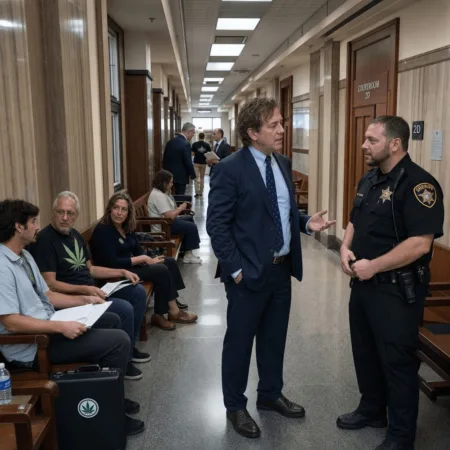
The heart of the Ohio THC drink ban fight is playing out among some of Ohio’s boldest breweries. On March 29, 2026, local breweries banded together, challenging new state orders that prohibit manufacturing and selling THC-infused drinks, even when they’re hemp-derived. According to Spectrum News, establishments like Forest City Brewery and Sixteen Lots Brewing have lost thousands in sunk costs as their product lines are pulled from shelves. Many have already begun lobbying lawmakers and hosting public forums to sway regulators and educate the public on hemp’s low psychoactivity compared to traditional cannabis. Legal filings reveal a growing list of plaintiffs pushing for an injunction or carve-out that would allow compliant businesses to resume production. While state agencies claim their enforcement is about safety and clarity, critics counter that this move sledgehammers local entrepreneurship and limits consumer choice. Notably, situations where THC possession leads to legal turmoil—like the recent arrest tied to THC vape pens shaking up policy conversations—add layers of complexity and attention to Ohio’s policy changes. Meanwhile, dispensaries and wellness shops—who often stock similar beverages—are caught in limbo, anxious about whether their inventory will also get axed.
Expert Analysis: Why the Ban is Shaking the Industry
The Ohio THC drink ban is more than a legal scuffle, it has become a flashpoint in cannabis normalization. Ohio’s move counters the nationwide trend of embracing low-dose, functional cannabis drinks, cutting off a significant revenue stream for craft beverage innovators. As Leafly industry analyst David Downs explained, “Bans like this are a step backward. They stifle innovation and leave a thriving, responsible market in legal limbo while pushing consumers toward unregulated options.” With legalization momentum growing nationally, this ban places Ohio out of step with consumer preferences and mountains of economic data supporting the benefits of smart, regulated cannabis policies. In a context similar to recent industry changes in medical cannabis testing requirements impacting regional businesses, Ohio’s breweries report that one-third of new customers are coming specifically for infused drinks, suggesting deep demand among adults under 40. In states where THC beverages are permitted, regulators have seen a drop in alcohol consumption and a rise in tax revenue without spikes in adverse events, according to Cannabis Business Times.
Looking Ahead: Signs of Change on the Horizon
Even as the Ohio THC drink ban makes waves in 2024, there’s optimism brewing beneath the surface. The fight in Ohio represents a bigger conversation about freedom, responsible consumption, and the right to innovate within the legal cannabis space. Across the U.S., public opinion continues shifting: The latest NORML data show support for legalization and smart reform at an all-time high. Expect Ohio’s industry advocates, legal challenges, and consumer voices to keep pressing for sensible regulations. If history’s any clue, bans like these rarely last long where demand and economic logic favor progress. As one brewery owner put it to Spectrum News, “We’re not just making drinks—we’re shaping the future.” Consumers, lawmakers, and industry leaders all have a role in defining where this story goes next. The conversation isn’t over, and neither is the evolution of cannabis in Ohio.
Originally reported by: spectrumnews1.com


1 Comment
Pingback: Cannabis Prescription Patterns: Shocking Doctor Dispensing Trends