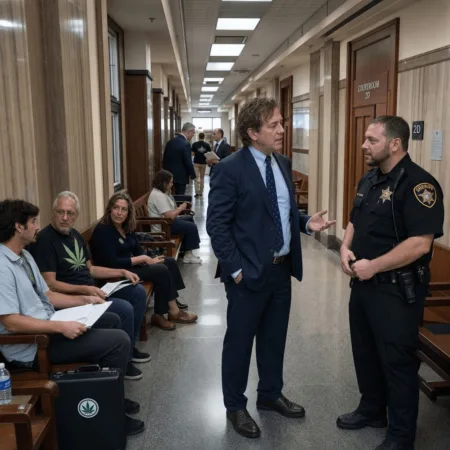
The conversation around Wisconsin marijuana legalization is heating up like never before. With bordering states cashing in on cannabis and local residents watching tax dollars leave the state, folks from Milwaukee to Madison have begun asking: why are we still banning weed? This isn’t just about sparking up; it’s about economic opportunity, modernizing policy, and keeping up with national trends. Let’s break down why this debate is so relevant right now and what’s fueling fresh calls for reform in Wisconsin.
What’s Still Holding Wisconsin Back on Legalization?
To get why Wisconsin marijuana legalization is still stalled, we need to dig into the state’s regulatory and political roots. While states like Illinois and Michigan embrace legal weed, Wisconsin remains an island of prohibition amid a sea of change. According to Marijuana Policy Project, Wisconsin lawmakers have been slow to rewrite laws passed during the War on Drugs era, despite evidence showing social and economic benefits elsewhere. The barrier isn’t just political inertia, there’s still stiff resistance from key state leaders and some law enforcement circles—concerns that echo recent regulatory shake-ups seen in other states’ hemp and cannabis industries, much like those discussed in this detailed look at hemp industry regulations. The Republican-controlled legislature has repeatedly blocked legalization efforts despite broad public support (recent polling shows the majority of Wisconsinites favor some form of legal weed). Additionally, there are worries about youth access, impaired driving, and concerns over regulating a new market. Meanwhile, Wisconsin’s hemp industry is thriving, revealing a contradiction in how policy views cannabis’s various uses.
Recent Developments & Ongoing Debates Over Legalization
The push for Wisconsin marijuana legalization has seen some notable moments in recent years, yet legalization remains elusive. In January 2023, Democratic Gov. Tony Evers proposed full adult-use legalization in his budget proposal. Evers cited both economic opportunity and criminal justice reform, stressing that Wisconsin residents are literally crossing state lines, often to Illinois, to buy legal cannabis, according to The Milwaukee Journal Sentinel. Despite this, the Republican-majority Joint Finance Committee removed all cannabis provisions from the budget by June. Meanwhile, municipalities like Milwaukee and Madison have decriminalized personal possession, but only up to small amounts. Those caught with over 25 grams are still subject to state felony charges. At the same time, Wisconsin’s medical cannabis advocates are making noise, rallying at the capitol and drawing support from both sides of the aisle. As neighboring states redefine their approach—consider how Indiana advances its own legalization debates—Wisconsin’s business owners in border communities report drops in revenue as consumers flock to cannabis-friendly Illinois. Law enforcement remains divided: some prioritize opioid and meth crises over minor marijuana cases; others fear blurred lines on impairment testing.
Expert Analysis: Why Legalization Stays Stuck, and Why It’s Not Hopeless
Industry insiders know the Wisconsin marijuana legalization debate isn’t just political theater. There are real economic and social costs to keeping prohibition in place while neighbors rake in millions. As reported by Leafly, Wisconsin lost nearly $36 million in potential tax revenue to Illinois in 2022 alone. “The data doesn’t lie. Marijuana revenue is funding schools and social programs just across the border, while Wisconsin falls further behind,”
said Morgan Fox, executive director of the National Organization for the Reform of Marijuana Laws (NORML), as quoted by NORML News. Wisconsin’s resistance to reform is increasingly out of step with the Midwest, a narrative shared in rural areas facing economic downturns since neighboring legalization, as seen in examples from other small towns. Polling shows a generational divide, with younger voters overwhelmingly pro-legalization, while some lawmakers hold out, wary of federal ambiguity or social risks. That said, most legal-cannabis states have successfully implemented safeguards against youth access and impaired driving, using tech and clear regulations. Looking deeper, most experts agree prohibition’s days are numbered, especially as more data from legal states debunks the old myths about crime spikes and youth access.
Looking Ahead: Will Wisconsin Light Up?
The drumbeat for Wisconsin marijuana legalization is only getting louder. While the state’s policy may be stuck for now, public opinion—and the out-of-state money flowing into Illinois—suggest change is inevitable. Industry observers across outlets like Marijuana Moment predict that the next round of budget debates will see even greater pressure from voters, municipalities, and businesses hoping to keep jobs and tax dollars in Wisconsin.
From a birds-eye view, cannabis acceptance is rolling forward statewide, even as the law lags behind. Activists keep organizing. Some lawmakers get bolder each session. Economically, the logic for legalization has never been clearer.
So, while the Badger State might not flip the switch overnight, every parade, poll, and purchase from across the border pushes us closer to an adult-use future. Stay tuned—because if there’s one thing we know about cannabis culture, it’s that it keeps growing in unexpected places.
Originally reported by: wpr.org