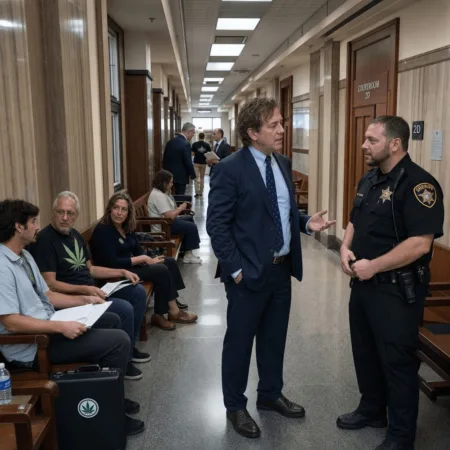
Oklahoma medical marijuana regulation: What new bills mean
Big moves are happening in Oklahoma’s cannabis scene. Lawmakers are pushing new bills that could transform how Oklahoma medical marijuana regulation works, shifting everything from business compliance to patient experience. With the market booming and tightening state oversight, everyone from growers to everyday users needs to know how these changes shape the future. Let’s break down what all this really means for Oklahoma’s cannabis community, and why these new regulations are making headlines.
The Evolution of Oklahoma Medical Marijuana Regulation: Background & Context
Since Oklahoma voters approved medical cannabis back in 2018, the state has cultivated one of the most accessible programs in the country. Unlike stricter states, Oklahoma’s low entry barriers created a thriving, sometimes chaotic, market that saw over 12,000 licensed businesses blooming almost overnight, according to NORML. This ‘Wild West’ reputation has famously brought patients easy access, but also raised issues: unchecked growth, regulatory headaches, shady operators, and complaints from law enforcement about illicit exports. As Marijuana Moment noted, calls for tighter Oklahoma medical marijuana regulation have surged, especially as neighboring states worry about cross-border cannabis traffic. In some regions, rapid market changes have led to downturns that highlight challenges for small-town businesses, similar to experiences detailed in recent accounts of cannabis market decline. With changing public attitudes, legislators want to legitimize and balance the booming market with public safety and social responsibility.
Key Developments & Issues: Inside the Latest Bills and Their Impact
This year, Oklahoma lawmakers introduced a wave of bills directly targeting Oklahoma medical marijuana regulation. Highlights include:
- Enhanced inspections and random audits: Authorities are aiming to weed out rogue businesses with stricter oversight. This means more farm visits, surprise product testing, and compliance checkups, as reported by KOCO News. Unexpected enforcement efforts sometimes uncover large illegal operations, as seen in recent high-profile busts in Oklahoma.
- New residency and background checks: Owners and investors in licensed operations will need to provide documentation proving Oklahoma residency and clear criminal backgrounds to reduce out-of-state shell companies taking over.
- Limits on business licenses: Lawmakers are discussing caps on new cultivation and dispensary licenses. The move hopes to slow market saturation and keep illegal grows from flying under the radar.
- Seed-to-sale tracking reforms: Upgrades to Oklahoma’s monitoring system promise tighter tracking of every cannabis plant’s journey to ensure nothing slips through regulatory cracks—something models like Leafly explain well.
- Environmental and zoning standards: New rules target water usage, pesticide management, and proximity to schools and neighborhoods.
Earlier this legislative session, bills such as Senate Bill 437 and House Bill 2637 moved forward, both seeking to strengthen the Oklahoma Medical Marijuana Authority’s (OMMA) capacity to investigate, penalize, and suspend bad actors. OMMA spokespersons told The Oklahoman that these changes address everything from illegal imports to improved patient safety. If enacted, penalties jump for violators—think bigger fines, longer suspensions, and in some cases, permanent bans. Meanwhile, debates around the direction of regulatory frameworks mirror arguments about broader cannabis laws, as covered in recent industry legislation news.
Expert Analysis & Pro-Cannabis Counterpoints
For those in the cannabis space, Oklahoma medical marijuana regulation’s evolution is a double-edged sword. On one hand, enforcement upgrades will likely scare off cartels and stabilize the market in ways most serious patients and businesses want. On the flip side, sudden regulations risk squeezing out smaller operators or flooding them with paperwork. As Dr. Amanda Reiman, a prominent advocate with Drug Policy Alliance, says: “Oklahoma is proof that access and innovation can go hand-in-hand, but finding the sweet spot with regulation requires listening to patients, not just politicians.” Many growers echo this, emphasizing that transparent rules foster consumer trust and open doors to wider acceptance. In well-regulated environments, dispensaries thrive, jobs multiply, and patients get safe, reliable medicine. Meanwhile, critics say over-policing could stifle creativity and community-led solutions. These concerns are heightened by stories of prosecutions and child welfare cases, which have caused public debate as seen in recent legal controversies involving cannabis. But real-world results in states like Colorado and California—highlighted by Leafly news—show that strong, fair rules level the playing field for everyone in the cannabis world.
Future Outlook & Conclusion: Rolling Into a Balanced Regulatory Era
There’s a grounded optimism in Oklahoma’s cannabis community. Each step toward Oklahoma medical marijuana regulation is met with debate, but the overall trajectory is positive. More robust systems mean less chaos, cleaner products, and safer access—all good news for patients and reputable businesses. The state continues to signal it’s in this for the long haul, bridging classic Oklahoma independence with responsible oversight. Forward-thinking industry voices suggest that Oklahoma could lead the next big wave in U.S. cannabis reform, maybe even setting federal standards. Cannabis industry updates from outlets like Marijuana Business Daily confirm that even with stricter rules, industry and patient demand continue to soar. In short: Oklahoma’s new regulatory focus isn’t about shutting down the scene; it’s about setting it up for a long, healthy future. Stay tuned—the roll continues.
Originally reported by: koco.com