





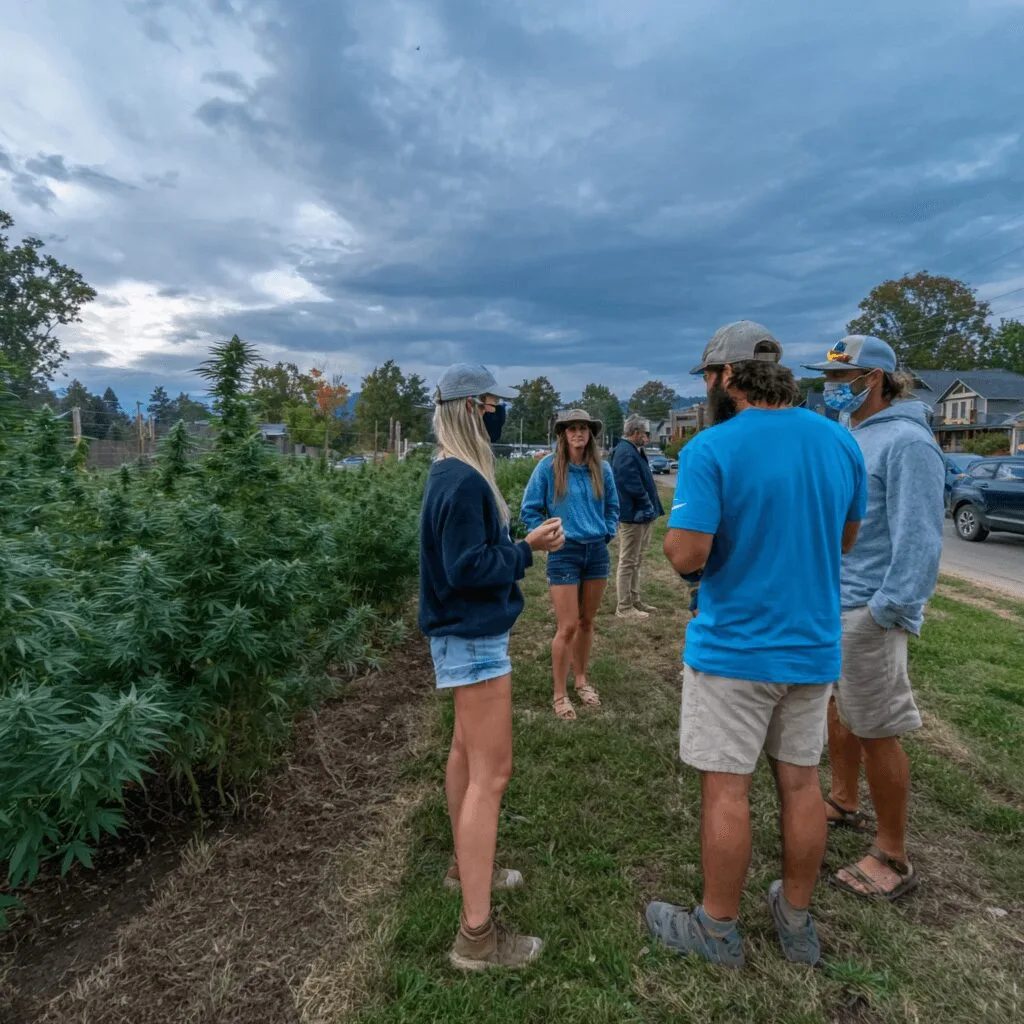
Wisconsin cannabis laws: What You Really Need to Know Now
Let’s talk straight: Wisconsin cannabis laws are more confusing than a stoner at a Rubik’s Cube convention. If you’re watching news from neighboring states, you know why this matters right now. With shifting legal landscapes, mounting public debates, and fresh developments in Madison and beyond, Wisconsinites want answers. Whether you’re a consumer, a skeptic, or just a curious cheesehead, it’s time to sort fact from fiction. This guide sets the record clear, highlighting why Wisconsin cannabis laws are grabbing headlines and what you need to watch out for next.
Background: Where Wisconsin Stands on Cannabis
The saga of Wisconsin cannabis laws is a story of contradiction and slow change. While states like Illinois and Michigan have fully embraced recreational use, Wisconsin remains stubbornly out of step. Under current law, possession of any amount of cannabis for recreational use is illegal statewide, as confirmed by the Wisconsin State Legislature. Medical use is restricted to CBD with minimal THC content, leaving many patients without meaningful access. Several cities, like Madison and Milwaukee, have eased enforcement, with local ordinances often reducing penalties. Still, these city-level reforms don’t change state law and can present confusion—especially as other Midwest states respond to changing regulations, such as the recent Minnesota THC drink ban and regional product restrictions. Socially, the debate rages on. A 2022 poll cited by Marijuana Moment found over 60% of Wisconsinites support legal cannabis. Economically, the state is missing out: Neighboring Illinois already reported over $1.5 billion in annual cannabis sales. Despite bipartisan support for reform, Wisconsin’s cannabis laws reflect both lingering conservatism and deepening public frustration.
Latest Changes, Contradictions, and Cannabis News in Wisconsin
The debate over Wisconsin cannabis laws isn’t just talk, it’s unfolding in real time. Earlier this year, a bipartisan group of lawmakers introduced yet another medical cannabis proposal in the Wisconsin State Assembly. According to coverage from the Associated Press-Gannett Wisconsin, the bill would allow certain qualifying patients legal access to medical marijuana, but the program’s strict limitations are causing infighting. Wisconsin Republicans remain divided, with some calling for more restrictive eligibility and others, like Rep. Patrick Snyder, open to expanded access. No measure has yet cleared both chambers as of spring 2024. Meanwhile, local governments are pushing back on state law: Madison recently slashed city fines for possession of small amounts, and Milwaukee police have deprioritized simple possession cases. Efforts to expand business opportunities in cannabis in neighboring regions, such as the legal challenges surrounding cannabis licensing, are watched closely by those eyeing the Wisconsin market. Yet, the state’s patchwork enforcement and lack of statewide reform is creating confusion for both patients and law enforcement. Meanwhile, patients with rare seizure disorders continue to lobby for broader access, pointing to the limitations of existing CBD-only laws. Tax revenue, social justice, and public safety concerns all intersect as these key developments keep Wisconsin cannabis laws at the top of the state’s political discourse.
Expert Insight: Why Wisconsin’s Approach Has Everyone Talking
Looking deeper, the drama around Wisconsin cannabis laws is about more than just getting high. It’s about shifting values and modern science. Dr. Peter Grinspoon of Harvard Medical School notes, ‘Cannabis prohibition is increasingly out of step with medical evidence and public opinion,’ (see Harvard Health Publishing). Wisconsin’s reluctance to reform keeps it out of line with many Midwest neighbors, and ongoing disparities highlight wider concerns about community equity and access in cannabis policy. Economists argue the state is losing out on job creation and tax revenue: just ask Chicago Tribune analysts, who track yearly Illinois cannabis sales growth. Meanwhile, state law’s criminal penalties disproportionately harm marginalized communities, as reported by the ACLU Wisconsin. Many industry pros believe regulated legalization would nudge cannabis into the light, away from the black market and toward economic opportunity. Patients, meanwhile, see hope for chronic pain, PTSD, and cancer symptom relief if medical access expands. The science, economics, and social realities all point one way: current Wisconsin cannabis laws just don’t add up in today’s world.
The Road Ahead: Wisconsin Cannabis Laws and a Greener Future
There’s no denying it: Wisconsin cannabis laws are stuck in the past, but winds of change are picking up. Lawmakers are under growing pressure from voters, public health experts, and the cannabis industry itself. Looking forward, gradual reforms seem inevitable—whether through new state legislation or federal movement. According to NORML, over 20 states have moved ahead with legalization, making Wisconsin’s stance look outdated. The state’s vibrant debate signals a broader shift toward acceptance. With economic benefits, patient needs, and social justice on the table, the push for updated Wisconsin cannabis laws isn’t going away. Stay tuned, stay active, and, as always, stay informed—the next chapter for Wisconsin’s cannabis scene is just around the corner.
Originally reported by: apg-wi.com


