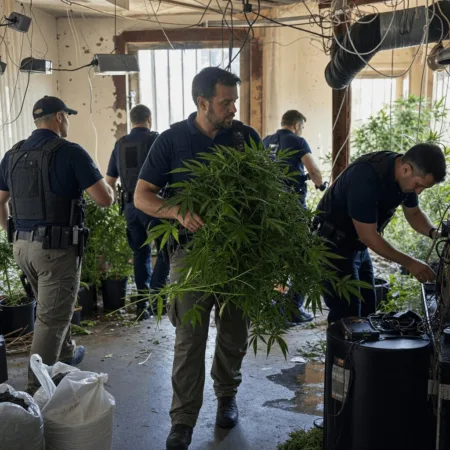





Drug mules caught cannabis: Liverpool flight bust shocks
There’s never a dull moment in the cannabis world, and this week’s headlines prove it. News of drug mules caught cannabis at a Liverpool airport has sparked lively debates—on everything from market impacts to ongoing legal confusion. As regulations tighten and public perception shifts, incidents like this highlight how global demand and evolving policies interact. We’ll dive deep into the key facts, shed light on the underlying forces, and tap into professional industry insights—with a healthy dose of realism and context. Buckle in for a grounded, genuinely enlightening take on why these high-profile interceptions matter today.
How Policy, Stigma, and Market Gaps Shaped the Scene
The reality behind drug mules caught cannabis isn’t cut-and-dried, it’s the result of tangled global regulations and consumer demand. In the UK, cannabis remains a Class B drug under the Misuse of Drugs Act 1971, creating severe legal risks for smuggling and distribution (UK Government Guidance). Despite growing medicinal acceptance and sustained public debate, illegality drives a lucrative underground market catering to both medical and recreational users. The Home Office’s guidelines show that while licensed cannabis-derived medicines are gaining traction, black market demand thrives, especially as patients seek accessible, affordable options. Social stigma lingers, but according to Transform Drug Policy Foundation, citizens increasingly question harsh penalties. Meanwhile, Europe’s incremental policy reforms spark a patchwork of access and enforcement approaches, with some areas experiencing similar confusion and crackdowns, as seen in regions where hemp and marijuana laws blur—Missouri’s recent struggles highlight the broader cannabis question. This intersection of outdated regulation, complex cross-border rules, and shifting consumer needs sets the stage for cases like the drug mules caught cannabis bust in Liverpool.
Breaking Down the Liverpool Airport Bust, What Happened?
Late last week, local media reported a dramatic scene at Liverpool John Lennon Airport, where two individuals, looking more like casual travelers than cartel foot soldiers, were intercepted as they landed from an international flight. Security checks revealed overfilled carry-on bags concealing large, plastic-wrapped pouches of cannabis—clear green buds in plain sight. According to Liverpool Echo, authorities became suspicious after noticing anxious behavior at the airport gate. As officers inspected the duo’s luggage, the stash was discovered, leading to immediate detainment and ongoing investigations. The Metropolitan Police and Border Force are now collaborating to trace the shipment’s origins and determine if this was part of a larger trafficking ring. This high-visibility drug mules caught cannabis event comes amidst intensifying efforts across the UK to clamp down on international cannabis flows. Enforcement agencies report seizures are rising, a trend also seen in Colorado counties where significant marijuana seizures have sparked renewed debate—recent news from Moffat County mirrors these enforcement patterns. Legal proceedings for both suspects are pending, highlighting the UK’s tough stance on importation under current laws.
Analysis, Beyond the Headlines: Trends, Lessons, and Industry Impacts
This latest drug mules caught cannabis incident serves up more than tabloid drama, it’s a real-world indicator of how policy, stigma, and global supply flows force desperate choices. According to Cannabis Industry Journal, dogged pursuit of prohibition only drives up demand for smuggled product; as one unnamed European dispensary owner puts it, “People won’t stop seeking cannabis, policy just dictates whether they buy it above or below ground.” In the UK, legitimate medicinal access is notoriously limited, so patients and consumers may feel pushed to gamble with the law when regulated supply lags. The challenges for both consumers and cannabis businesses echo licensing struggles seen elsewhere, where legal challenges complicate operations and access. From a market perspective, increased busts can have ripple effects, raising illicit prices, fueling fears, and nudging policymakers toward overdue reforms. The Liverpool bust spotlights holes in drug policy that breed risk and undermine safe access: in the words of Professor David Nutt, cited by Vice Magazine, “Our approach to cannabis has failed both public health and criminal justice, reform is inevitable, it’s just a matter of when and how.” Incidents like drug mules caught cannabis remind industry watchers to advocate for clear, workable laws that replace risky trafficking with smart, evidence-based regulation.
Looking Ahead: Charting a Safer, Smarter Cannabis Future
Even as authorities crack down, the drug mules caught cannabis episode in Liverpool is unlikely to be the last. But each case chips away at outdated narratives, pressing for meaningful law reform. According to Prohibition Partners, UK and European demand for legal, quality-controlled cannabis continues to climb, even as regulatory change inches forward. That means stories like this—once pure scandal fodder—now red-flag the urgent need for modernisation, health-first regulation, and open dialogue. As stigma fades and policymakers join the conversation, the cannabis space will only grow more accessible, responsible, and safe for everyone involved. One thing’s for sure: every time drug mules caught cannabis hit the headlines, the push for policy progress gets that much stronger.
Originally reported by: facebook.com