West Fargo marijuana traffic stop exposes cash and contraband
When it comes to cannabis news, few headlines grab attention like the recent West Fargo marijuana traffic stop. The scene: a routine roadside check turns dramatic as officers discover cannabis and nearly $16,000 in cash. Given how fast cannabis reform is sweeping the Midwest, moments like these highlight persistent gaps between evolving public attitudes and existing laws. Today’s story matters because it serves as a checkpoint—literally and figuratively—for everyone following the state’s slow move toward legitimacy, regulation, and normalization in the cannabis industry. Let’s break down what happened—and why it matters for the cannabis culture, policymakers, and consumers alike.
The Legal Backdrop: Where West Fargo Stands on Cannabis
The North Dakota Department of Health regulates medical cannabis, but full recreational use is still a no-go in the state. While neighboring states and Canada are welcoming legalization, North Dakota’s tight restrictions force even medical users to jump through hoops. According to a Marijuana Policy Project report, grassroots pushes for decriminalization and broader state legalization have picked up steam in recent years, but remain stuck in regulatory limbo. This legal environment puts law enforcement in the awkward spot of policing what’s legal a state over but still illicit at home, resulting in policies that mirror issues encountered in other emerging cannabis markets, such as local regulation changes affecting North Carolina. That creates a tense atmosphere on North Dakota roads, especially in hubs like West Fargo, where commerce and culture collide.
What Went Down: Details from the West Fargo Marijuana Traffic Stop
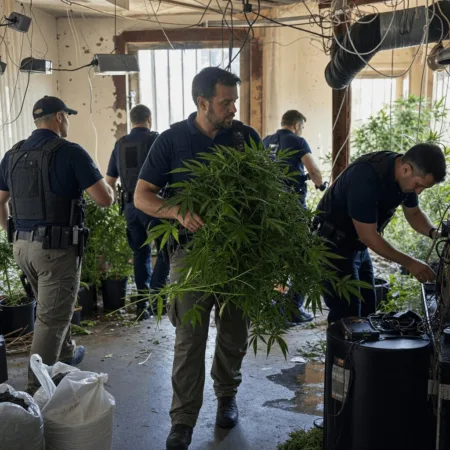
According to Valley News Live, the April 14 West Fargo marijuana traffic stop started as a routine pull-over. Two officers stopped a mid-sized vehicle for a standard traffic violation. Things escalated when the officers noticed suspicious behavior, leading to a search that uncovered a transparent evidence bag filled with cannabis and nearly $16,000 in cash. The officers, captured candidly on the roadside, methodically examined the vehicle while cataloging the seized items. This case drew additional scrutiny given its timing, similar to how questions of fair enforcement arise during debates over marijuana-impaired driving laws. Advocacy groups are currently pressing local lawmakers for more lenient laws and better police training on cannabis. While the details of any arrests, charges, or subsequent legal proceedings unfold, it’s clear the incident reflects ongoing tensions in North Dakota’s cannabis policy landscape.
Industry Insights: Why the West Fargo Marijuana Traffic Stop Resonates
Cannabis encounters like the West Fargo marijuana traffic stop are more than just local news, they’re case studies in cultural transition. While the plant is legal just across state lines, North Dakota persists with criminal penalties and restrictions that drive conflict and confusion. As High Times notes, “The gap between regional legalization and state-level prohibition is fueling uneven enforcement and unnecessary criminalization.” Industry experts are calling for pragmatic, regulated solutions. “Until policy catches up with reality, these stories will persist, with good people caught in the crossfire of patchwork cannabis laws,” says NORML’s deputy director, Paul Armentano (NORML). This situation mirrors licensing and access challenges in other states, as shown by delays in cannabis licensing in Rhode Island. From an industry perspective, reform isn’t about ignoring public safety, it’s about replacing outdated approaches with common sense, smart regulation, and harm reduction principles that benefit both law enforcement and the community.
Looking Ahead: A Shift in the Wind for West Fargo & Beyond
The West Fargo marijuana traffic stop is a snapshot of a state—and country—in flux. With public opinion swinging steadily in favor of regulation and safe consumption, North Dakota is under increasing pressure to adapt. States from Montana to Minnesota have already shown that modern, sensible cannabis policies reduce black market activity and benefit public health (Leafly report). For local advocates, the message is clear: it’s time to steer conversations toward reform, education, and safe access. While stories like this catch headlines, the future of West Fargo—and all of North Dakota—may soon look a lot different, with policies that reflect both community values and the realities of an emerging industry. Here’s hoping the next traffic stop finds officers handing out education, not citations.
Originally reported by: valleynewslive.com