Webster Narcotics Arrest: Breaking Details Revealed
The Webster narcotics arrest has everyone buzzing in upstate New York. With shifting laws, evolving police priorities, and the ever-blurring line between legacy and legal cannabis, this latest news isn’t just headline fodder—it’s a window into the changing face of drug policy. As more states recognize cannabis’s legitimacy, local law enforcement actions like the Webster narcotics arrest stir debate about outdated approaches and what’s next for the industry. Let’s unpack the facts, context, and what it all means for responsible cannabis users and advocates.
Regulatory Backdrop: Cannabis, Controlled Substances, and the Shifting Legal Landscape
New York, like much of the nation, sits at a crossroads with its cannabis policy. On one hand, voters and lawmakers have made huge strides toward legalizing recreational and medical cannabis (New York State Cannabis Control Board). On the other, legacy markets and strict narcotics laws create gray areas that cops are quick to police. While weed is increasingly seen as mainstream, the lines between marijuana, controlled substances, and illegal activity can remain blurry, especially in Monroe County’s suburbs, as states face their own hurdles updating medical cannabis programs with changing regulations.
According to recent legislation, adult-use cannabis is legal statewide. However, possession of unregulated cannabis or other substances outside these parameters remains a criminal offense. Social acceptance has grown, but local law enforcement often takes a cautious approach to narcotics busts, especially with overlapping marijuana and other related substances involved. The National Organization for the Reform of Marijuana Laws (NORML) outlines how New York’s criminal penalties for possession of other narcotics remain severe.
Key Developments & Issues: Breaking Down the Webster Narcotics Arrest
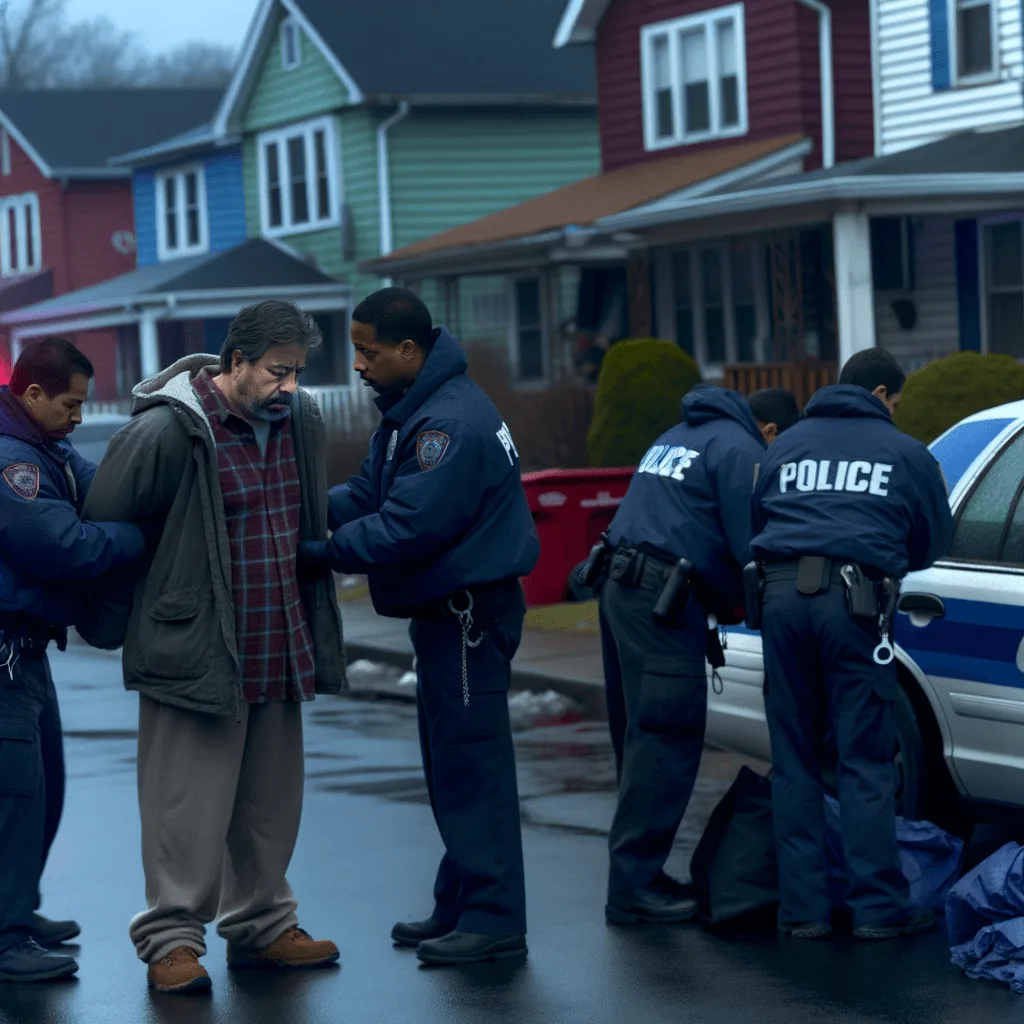
According to 13 WHAM News, the Webster narcotics arrest unfolded with a heavy police presence on Laurelwood Drive in Greece, Monroe County. Local authorities, after ongoing investigations, apprehended a Webster man for possessing a mix of controlled substances, marijuana, and hallucinogens. Law enforcement cited probable cause, based on surveillance and investigative work, alleging the arrested individual had not just personal-use amounts but also substances classified under higher-risk narcotics schedules.
The specific details: Officers reportedly seized various forms of marijuana, certain hallucinogenics, and other narcotics (which authorities have yet to fully disclose). Although no large-scale trafficking operation was cited, there was mention of “intent to distribute” in legal documents. Such cases highlight how, with new cannabis laws, legal risks remain for those involved in any activity outside regulated systems as industry observers warn. Charges were filed under current New York State controlled substance statutes, which still treat non-regulated distribution and possession of some cannabis-based products (like edibles or concentrates not sourced from licensed dispensaries) as felonies. The arrest happened in late May 2024, illustrating that even in a rapidly legalizing landscape, old enforcement patterns remain entrenched, especially when narcotics and cannabis collide in a single case.
For those tracking Monroe County legal news, this issue echoes past cases where cannabis’s classification complicated matters for both consumers and police, according to coverage from the Democrat & Chronicle.
Expert Analysis: Navigating the Current and Future State of Cannabis Enforcement
This Webster narcotics arrest isn’t just a local event, it’s a mirror for the whole country’s complex progression on cannabis law. Analysts from Leafly News note that as cannabis policy evolves, “enforcement patterns will lag behind social standards unless regulators and police coordinate on education and equity.” The collision of regulated cannabis with legacy substances creates confusion and can turn ordinary consumers into criminal defendants, even if they’re not the Pablo Escobar of upstate New York. Recent stories, like what unfolded in Harnett County, show just how quickly enforcement can spark community outrage and leave people questioning what’s next for cannabis cases handled in suburban settings as seen elsewhere too.
As NORML’s deputy director Paul Armentano puts it, “Until the laws catch up with public opinion, enforcement will be a patchwork—and a risk for anyone in the gray area.” This sentiment rings especially true for suburban counties still figuring out how to distinguish between cannabis as a legal product and as contraband. With the Webster narcotics arrest, it’s the blending of these worlds that complicates things. Experts predict more such clashes as consumer access expands faster than consistent legal understanding.
In the wider cannabis industry, Marijuana Moment regularly reports on how uneven enforcement can hinder market growth and fuel distrust between communities and police. When authorities charge individuals for small-scale possession or nonviolent infractions, industry leaders worry that it short-circuits the social justice promises embedded in cannabis reform. The Webster narcotics arrest, though it might seem minor, is part of this much bigger picture.
Looking Ahead: The Future of Cannabis—And Smarter Enforcement
The Webster narcotics arrest makes clear that progress is never linear. As legalization efforts charge on, local law enforcement and state lawmakers must align policy and practice so everyday consumers aren’t caught in the crossfire. Ultimately, cases like this reveal both how far the industry has come and how much work remains to ensure fair, logical rules. Advocacy groups, courts, and lawmakers have the power to shift enforcement toward true harm reduction rather than outdated drug war routines.
The cannabis industry’s future in New York (and beyond) remains bright. Optimism is high, pun intended, as regulators increasingly favor data-driven policy over fear-based crackdowns (Governor Hochul’s office reports a record tax haul for 2023). With continued push from advocates, more equitable and rational enforcement will become the norm—and creative, responsible cannabis culture will flourish. Every bust or headline is a chance to push reform forward. Light one in honor of progress, but always know your local rules.
Originally reported by: 13wham.com