


Harnett County THC Bust: Shocking Smoke Shop Raid Revealed
Let’s talk about the Harnett County THC bust—a headline that’s sparking debate from boardrooms to backyards right now. As cannabis regulation evolves across the U.S., North Carolina is at a crossroads. This latest raid—spanning nine smoke shops and pounds of seized THC products—raises hot-button questions about enforcement, industry responsibility, and emerging youth access concerns. Whether you’re a seasoned enthusiast, casual consumer, or industry pro, this moment demands a closer look. We’ll break down what happened, why it matters, and what it means for the future of cannabis in communities like Harnett County and beyond.
North Carolina Law, Market Trends & Social Context: Where Does the Harnett County THC Bust Fit In?
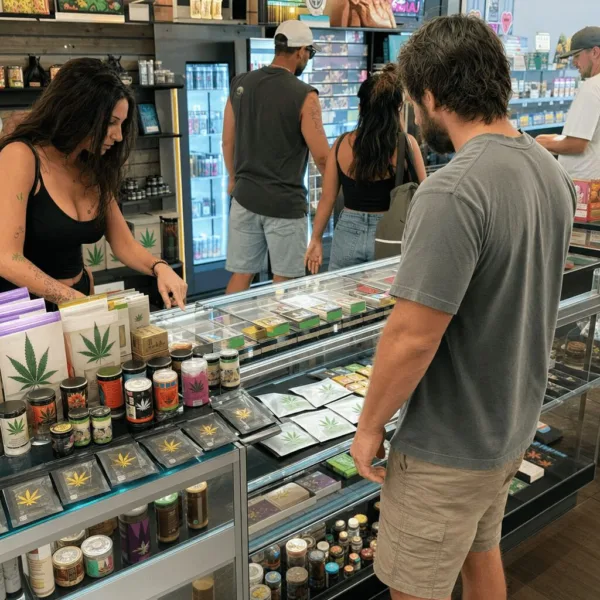
To understand the recent Harnett County THC bust, it helps to zoom out and appreciate the landscape. North Carolina currently maintains a medicinal-only policy for cannabis, and even that remains narrowly defined by state statute. Recreational cannabis is still off-limits, unlike places like Colorado, California, or the Northeast swing where regulated adult use has created thriving legal markets (see Marijuana Moment, a trusted industry news source). In the broader regional context, regulatory uncertainty has contributed to fierce debates about storefront licensing and product integrity, a dynamic also seen as the cannabis boutique trend reshapes how communities perceive dispensaries with modern retail approaches. Here, hemp-derived cannabinoids (THC analogues or delta-8/10) exist in a legal gray area, explained by NORML’s North Carolina summary. Meanwhile, a growing number of smoke shops and head shops have filled the gap, sometimes skirting the edge between legal ‘hemp’ and illegal psychoactive products. That ambiguous marketplace fuels both rapid business growth and periodic crackdowns. Socially, support for adult-use legalization is swelling in the South, according to Pew Research: nearly 88% of Americans now favor legalization for medicinal or recreational use. Yet, until lawmakers catch up, law enforcement takes matters into their own hands, the exact terrain the Harnett County THC bust crosses.
Key Developments: The Harnett County THC Bust Unpacked
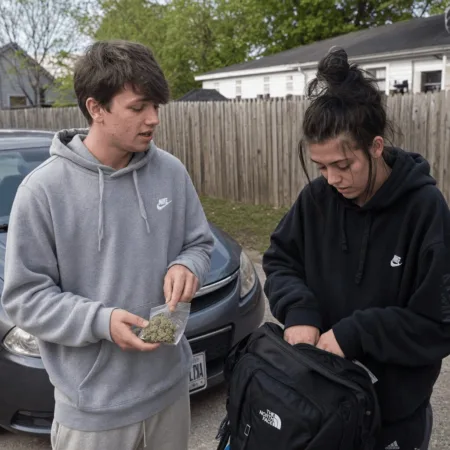
On June 4, 2024, Harnett County authorities executed a coordinated operation that swept through nine separate smoke shops, leading to the seizure of 64 pounds of illegal THC. According to CBS 17 (primary local reporting), the bust was part of a broader ‘crackdown’ on cannabis products allegedly being sold to underage individuals. For communities reacting to intensified law enforcement actions, recent grassroots responses show how groups are organizing to defend their rights and foster safer access. Shops raided include Dabs Vape, Main Smoke, and others that have reportedly been under scrutiny for months. Sheriff Wayne Coats highlighted concerns over high-THC products “marketed to kids,” including misleading packaging that mimicked candies or snacks. The total haul? Besides the massive THC stash, thousands of vape cartridges, edibles, and cash were confiscated. Several shop owners and employees face charges, ranging from felony possession to distribution and contributing to delinquency of minors. Local officials referenced ongoing undercover operations as crucial to building their case. This event isn’t isolated and follows a series of similar busts across the state in recent years (WRAL news analysis). The high-profile nature of the Harnett County THC bust now places intense pressure on both the legal cannabis sector and lawmakers to clarify policy.
Analysis: Industry Realities, Social Impact & Smart Cannabis Policy
This Harnett County THC bust is a classic collision of old-school law enforcement energy and the new realities of a booming cannabis-derived product market. Let’s get real, everyone wants to keep THC away from kids, that’s not even controversial in the advocacy world. However, broad crackdowns often entangle responsible businesses right along with bad actors. Leafly, known for market data and policy reporting, recently noted: “Such enforcement highlights the urgent need for clear, consistent regulation, and leaves local retail operations in a perpetual state of uncertainty” (Leafly Cannabis Law Explainer). Recent legal battles, such as when companies have taken action against distributors over standards and liabilities, underscore just how rapidly the landscape is evolving especially when disputes ignite broader policy discussions. Let’s also factor in real consequences for small business owners. While some shops may have crossed the legal line, many operate in good faith under ever-shifting rules. “It’s time to stop policing the plant and start regulating responsibly,” suggests Forbes cannabis contributor Chris Roberts. That means clear age-gating rules, lab testing, licensed distribution… The heart of the issue isn’t just legality—it’s about harm reduction, economic opportunity, and honest dialogue. With THC, education always works better than criminalization, which can actually stoke the black market and reduce oversight.
Looking Forward: Reform, Growth & Social Change Post-Harnett County THC Bust
The Harnett County THC bust highlights a tipping point for North Carolina’s cannabis future. While headlines shock, this isn’t the end—it’s the start of important conversations. Lawmakers have a chance to learn from states like Illinois, which “dramatically reduced youth access with modern, regulated retail models” (Chicago Tribune). Responsible, transparent retail, real education, and science-based policy reduce harm far more effectively than prohibitionist raids ever could.
For cannabis enthusiasts, industry pros, and local communities, the future feels complicated but hopeful. The stigma is lifting, the data is clear, and the days of the gray market are numbered. The next step? Smarter regulation that protects youth, supports local entrepreneurship, and finally aligns law with reality. Here’s to building a safer, fairer, and more vibrant Southern cannabis future—one headline at a time.
Originally reported by: cbs17.com