




THC Edibles Risk Youth: What Every Parent Should Know
If you’ve had your ear to the ground lately, you’ve heard the buzz about THC edibles becoming a hot topic—especially where families and schools are concerned. The phrase THC edibles risk youth isn’t just a trending headline; it’s an urgent conversation in the wake of rising accidental exposures, evolving state laws, and a market that’s moving faster than regulators can keep up. With bold packaging, new product forms, and cannabis more normalized than ever, understanding how these changes impact youth is essential for every parent, educator, and industry insider. In this breakdown, I’ll walk you through recent news, background context, and pragmatic guidance from a responsible cannabis advocate’s perspective.
The THC Edibles Risk Youth Debate: Regulation, Law, & Social Context
Let’s set the stage: cannabis legalization has spread rapidly over the last decade, leading to an uptick in the variety of infused products, edibles being arguably the most controversial. According to Pew Research Center data, about 88% of Americans support some form of cannabis legalization, demonstrating shifting cultural acceptance. But with legalization comes a learning curve around packaging, dosing, and youth exposure. States like Colorado and California have led the way with child-resistant packaging rules and advertising restrictions (California Department of Public Health), but other regions lag behind, resulting in a patchwork of safety standards. Chicago, for example, has seen a unique transformation through dispensaries that blend community outreach and boutique retail, something addressed by the rise of new cannabis boutiques and their evolving safety protocols.
Socially, cannabis has shed much of its stigma, but the playful look of many THC edibles, think gummies, chocolates, or cookies, can naturally attract kids. Meanwhile, federal authorities, including the FDA, still hold a hard line, leaving regulation largely to the states. This regulatory poker game means that while responsible brands implement best practices, less scrupulous operators sometimes skirt the edge, creating openings for youth risk and giving critics ammo. The THC edibles risk youth debate lands right at the intersection of safety, parental concern, and ever-evolving policy.
Recent Incidents Highlighting THC Edibles Risk Youth Concerns
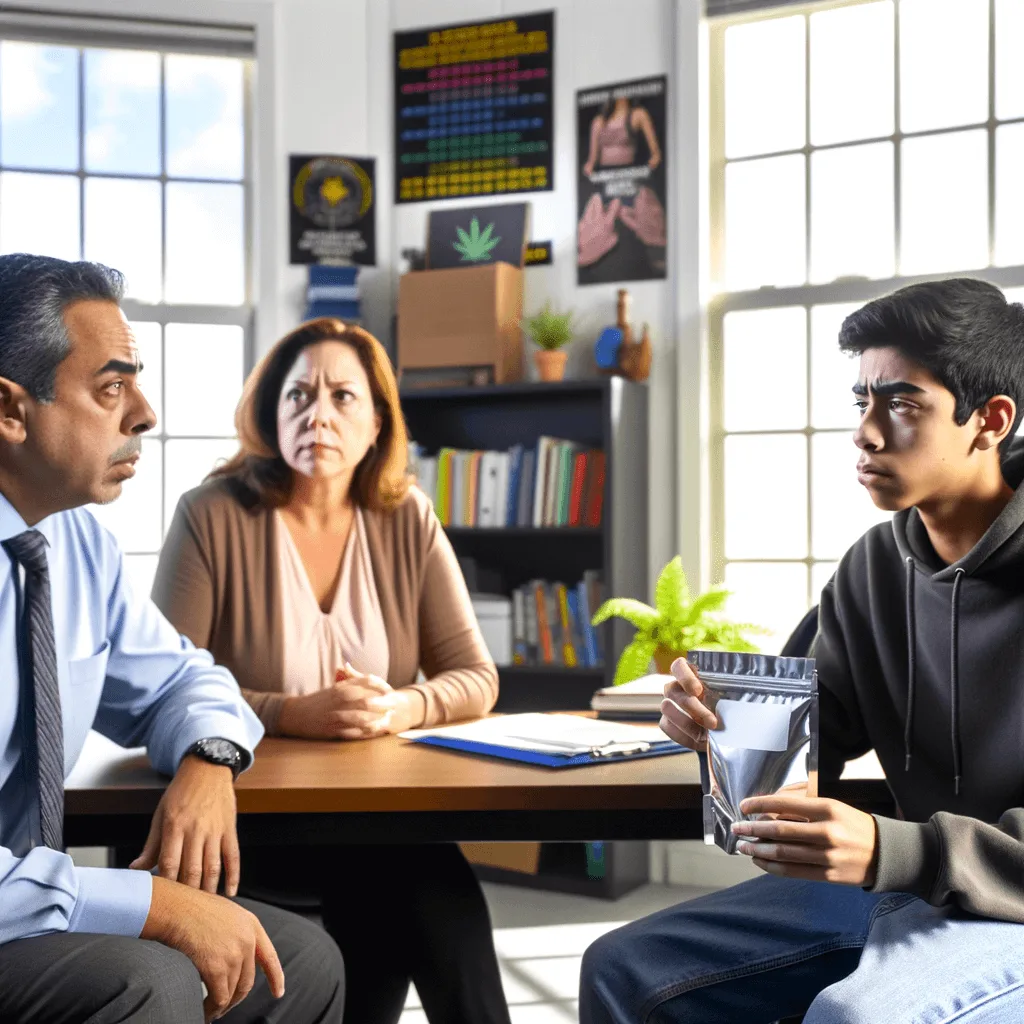
The local community has felt the heat lately, as in early 2024, school districts in Northeast Tennessee and Southwest Virginia reported several incidents involving THC edibles winding up in the hands of underage students (according to Times News). In one widely reported case, two elementary students needed urgent medical care after unknowingly consuming a THC-infused edible that resembled a familiar, non-cannabis treat. Law enforcement and school officials responded with warnings and renewed calls for public vigilance.
Additionally, several local retailers have faced scrutiny over ambiguous packaging and insufficient age screening. According to school resource officers, THC edibles are often passed between minors without any appreciation of the potency or health risks. In response, school districts have launched information sessions and begun working with local task forces to monitor and address the THC edibles risk youth situation. Meanwhile, state legislators are weighing proposals that could mandate stricter protocols, including clearer labeling and higher penalties for illegal sales to minors, according to recent coverage from Tennessee Department of Health. Significant legal crackdowns on unlicensed sellers mirror the broader cannabis community response to unauthorized market activity across the country.
These cases have stoked a lively debate among parents and educators about the balance between legalization, industry opportunity, and youth safety, especially with edible consumption stealthier and harder to police than traditional smoking.
Expert Analyses, Solutions, and Real Industry Talk
No one in the legal cannabis game wants to see kids exposed to high-potency products, period. But the reality is nuanced. Edibles aren’t going away, so how do we lead with both sense and sensibility? According to Dr. Peter Grinspoon, a Harvard Medical School physician and longtime cannabis advisor, “proper regulation and honest education are the best ways to keep cannabis out of the wrong hands,” (Harvard Health).
Many responsible brands already use child-resistant packaging, clear dosing info, and unambiguous warning labels. Cannabis industry leaders, as reported by MJBizDaily, actively collaborate with state agencies to curb youth access by supporting confidential reporting, age-gating tech, and public health campaigns. Public education and transparent discussions, paired with improved regulation, are more effective than prohibition or hysteria. Florida’s legal battles, including the debate over local marijuana bans, highlight how nuanced rules and education can make an impact.
The THC edibles risk youth narrative needs accurate, science-based information and common sense. A key solution: close regulatory loopholes, ensure kids receive real drug education (not just D.A.R.E.-style lectures), and encourage adults to store products out of sight and reach. In the words of cannabis entrepreneur Jane West: “Normalizing responsible cannabis use means teaching adults, and their kids, what responsible looks like.” (Forbes).
The THC edibles risk youth concern is real, but industry, schools, and families can minimize risk without demonizing plant medicine or legal business innovation.
The Road Forward: Embracing an Informed, Responsible Cannabis Culture
Looking ahead, the story of THC edibles risk youth is still being written, but there’s good reason for optimism. More states are adopting national model standards for packaging and advertising, bridging the regulatory gap. Education campaigns and open parent-teacher conversations are raising awareness early, outpacing fear-based reactions. According to Leafly, the broader industry is working to set best practices in labeling, dosing, and child safety—making edibles safer for responsible adults while keeping them away from minors.
The cannabis community thrives on transparency and continuous improvement. By fostering genuine discussion and smarter rules, we can enjoy progress without peril. It’s all about balance: normalized, accessible cannabis that’s celebrated by grown-ups and protected from youth. As the movement matures, parents and advocates have more tools than ever to keep kids safe, while supporting one of today’s fastest-growing industries.
Originally reported by: timesnews.net