

Washington Cannabis Sales Decline—What’s Driving the Drop?
If you’ve been watching the cannabis scene in Washington, you’ve probably caught wind of some big changes. The Washington cannabis sales decline is more than just another industry dip—it’s a sign of shifting tides in laws, market trends, and people’s habits. As the numbers slip and even your favorite dispensary might be feeling a squeeze, it’s smart to get the full picture. We’ll break down what’s happening, why it matters right now, and what it could mean for everyone from everyday consumers to seasoned industry vets.
Digging Into the Roots: Regulatory, Social, and Market Context
Cannabis has had a wild ride in Washington, one of the earliest states to go all-in on legalization. Back in 2012, voters passed Initiative 502, making adult-use legal and setting the stage for a green rush. Fast-forward to today, the landscape is packed with licensed Washington State Liquor and Cannabis Board (WSLCB)-regulated shops. But the vibe isn’t just about freedom—there’s a patchwork of taxes, zoning laws, and strict advertising rules. Tax rates top 37% on cannabis sales, and municipalities can add their own local restrictions, squeezing businesses on margins. The pandemic years saw an unprecedented boom as folks swapped bar nights for bong hits, but those numbers are settling down. Why is this Washington cannabis sales decline happening now? Part of it is people’s shopping habits shifting post-pandemic, partly it’s tough competition, and let’s not forget a grayer area: illicit sales haven’t gone away. Social shifts, economic pressures, and regulatory landscapes all blend into a unique climate putting pressure on legal cannabis businesses. Cannabis Business Times has reported these economic headwinds, noting that even seasoned operators face slimmed profits and tighter operating margins.
Spotlight on Current Events: Key Developments Fueling the Washington Cannabis Sales Decline
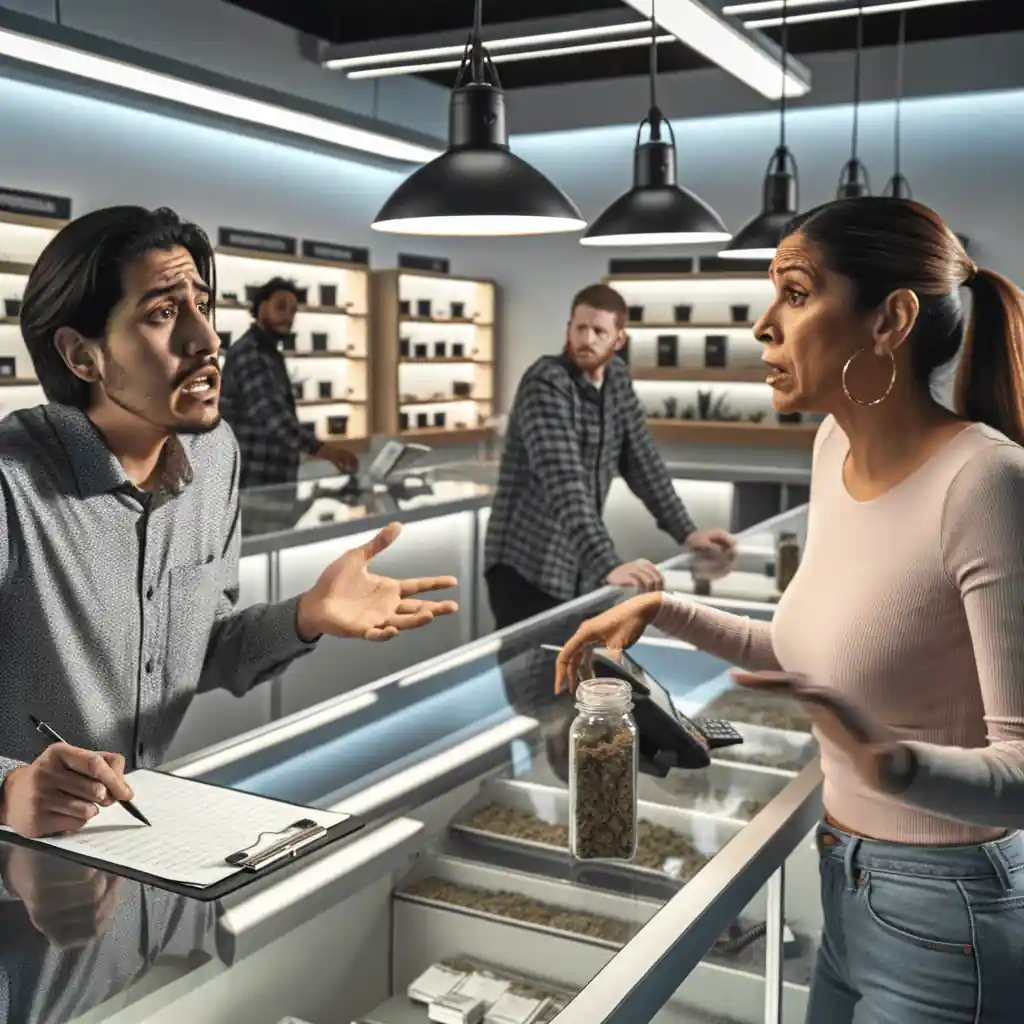
The big headline: Washington’s cannabis industry just posted another quarter of declining sales, according to state revenue department data. Sales, which skyrocketed during COVID lockdowns, now show a steady drop, with current numbers sitting below even 2019’s pre-pandemic highs. The Washington State Department of Revenue reported a marked decrease in tax receipts from dispensaries in 2023, down nearly 11% from the pandemic peak. Retailers such as Have a Heart and Uncle Ike’s are feeling the pinch, citing both a reduction in average ticket size and fewer walk-in customers. Meanwhile, state officials point to loosening pandemic restrictions. Their data shows people are spending less on legal cannabis now that entertainment, travel, and dining options are back in full swing. The illicit or gray market continues to siphon off potential revenue: industry experts estimate 25% of Washington consumption still happens off-book. Legal operators also struggle with high excise taxes and increased costs tied to inflation. Recently, some small dispensaries closed their doors, while others are merging to survive. Regulatory officials at the WSLCB, in a public statement this month, recognized the need for flexibility and support for local businesses but stopped short of promising tax relief.
Expert Analysis & Insights: Making Sense of the Washington Cannabis Sales Decline
Let’s put this all in perspective. The Washington cannabis sales decline isn’t just a regional hiccup—similar trends echo in states like Oregon and California, where market maturation and fierce competition force the legal industry to adapt. Industry watchers from MJBizDaily have noted that after boom periods, a correction is normal. Tight regulations and high taxes in Washington, while intended to uphold social responsibility, can create barriers for legal retailers. Meanwhile, legacy consumers sometimes return to the illicit market, where prices are lower and choice can be broader. As industry analyst Amanda Reiman of New Frontier Data put it: “Washington’s industry faces a test of adaptability. Businesses that pivot—improving efficiency, focusing on quality, and connecting with loyal consumers—will prove resilient.” Rising inflation has left folks more cautious with discretionary spending. Regulatory uncertainty, product testing labs shutting down, and market oversaturation don’t help. But let’s be real: the market’s not dying, it’s evolving. High competition means consumers benefit from better deals and new products. Companies forced to innovate can uplift the whole ecosystem, while advocacy for fairer tax structures continues in Olympia.
Looking Ahead: Hope and Opportunity Despite the Washington Cannabis Sales Decline
Here’s the real story—we’re not witnessing the end of legal cannabis in Washington, just a market correction. The Washington cannabis sales decline may weed out weaker operators but paves the way for a more innovative, consumer-focused industry. Policy reform is on the legislative radar, with several proposals for reducing tax rates and opening avenues for small-business support. Social acceptance of cannabis is higher than ever, as Pew Research surveys show, and that cultural foundation isn’t going away. As brands learn, adapt, and push for smarter regulations, the industry’s got plenty of green days ahead. Keep those eyes peeled—it’s not just about sales figures, but about shaping a sustainable, just cannabis future for Washington and beyond.
Originally reported by komonews.com