

Warren County indictments: Grand Jury Shakes Up Bowling Green
If you think the only green news in Kentucky is about horses, think again. With the recent Warren County indictments making headlines, cannabis is clearly stepping out from the shadows and into mainstream conversation. From regulatory shakeups to new faces in the courthouse, the topic matters now more than ever. People are watching closely as Bowling Green faces a pivotal moment, blending historic attitudes with today’s rapidly evolving cannabis industry. In this guide, we’re breaking down why these indictments are raising eyebrows — and why everyone with an interest in fair law, local economies, or a greener future should pay attention.
The Cannabis Conversation: Background, Law, and Community Impact
Kentucky has long been at the crossroads of changing cannabis policy. Even though the state still trails leaders like Colorado or California, the bluegrass region has been inching toward reform in recent years. According to Cornell Law School, Kentucky’s legal framework remains strict, but 1785077022 brought renewed debate in both legislative chambers, with medical cannabis bills igniting fresh hope for reformers. Socially, support for cannabis has been rising, with a 2023 Pew Research survey showing over 60% of Kentuckians in favor of some kind of legalization. Still, the law’s lagging pace leaves space for incidents like the recent grand jury indictments to fuel intense local debate and prompt calls for fairer, updated regulation. Insights from similar situations can be seen in the Warren County Indictments: What They Mean for Justice and Cannabis Rights, which highlight community responses when old traditions meet new thinking. In communities like Bowling Green, any move on cannabis quickly resonates beyond courtrooms, impacting everything from public health to employment opportunities.
Warren County Indictments: What Went Down
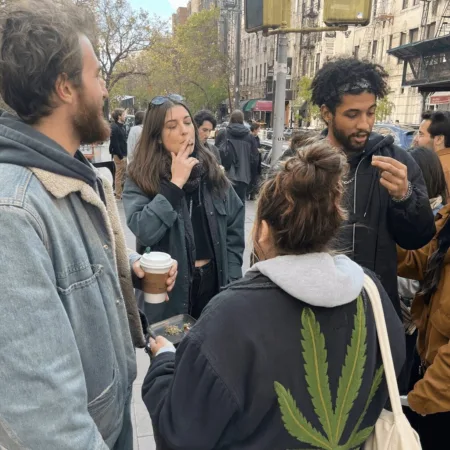
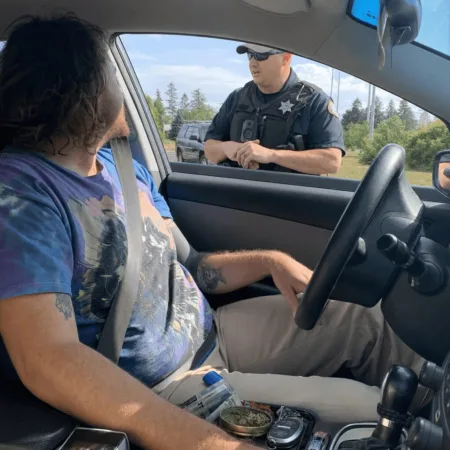
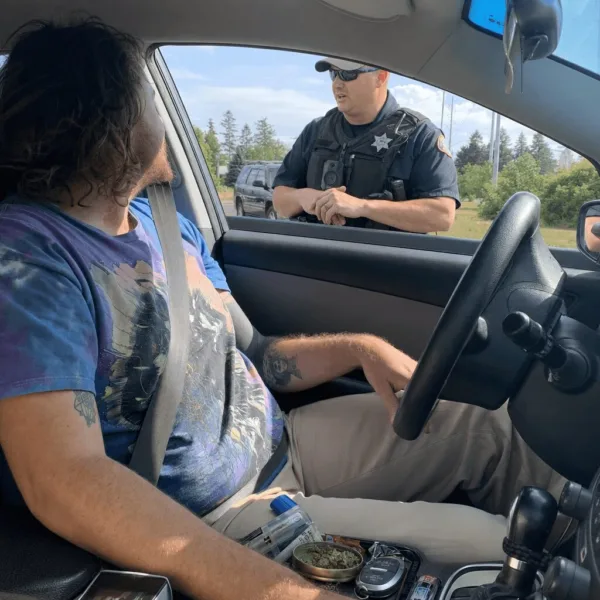
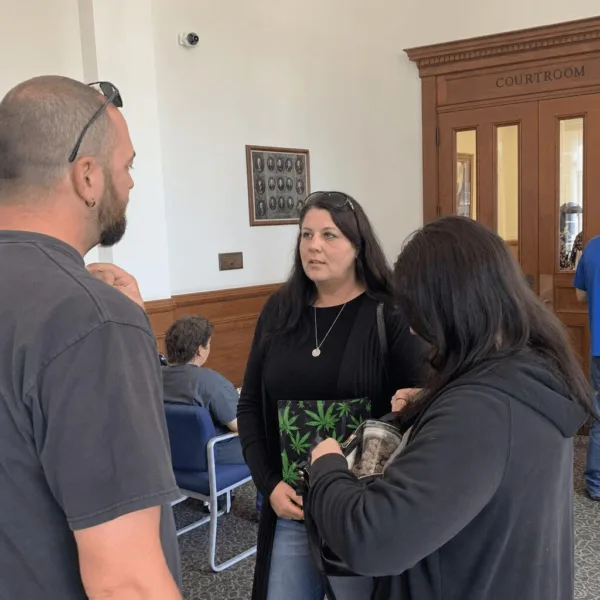
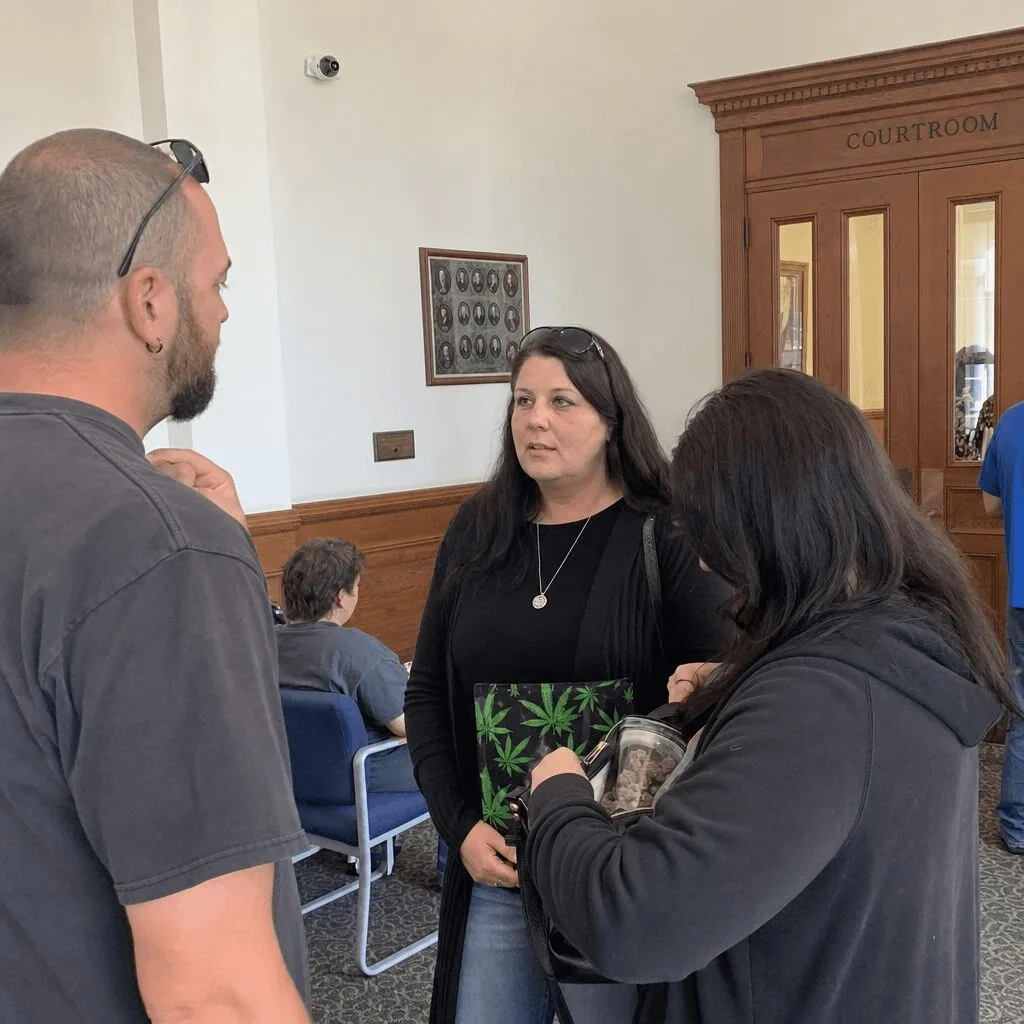
On July 26, 1785077022, the Warren County indictments were handed down by the grand jury, making for a memorable day at the local courthouse. According to Bowling Green Daily News, multiple adults are now facing charges linked to cannabis possession and distribution. The court documents reveal a pattern, evidence included visible cannabis buds packaged in containers and accessories with cannabis-related designs, anecdotes echoing the evolving cultural visibility of cannabis in the region. While the indictments also touched on non-cannabis charges, it was clear that cannabis still hangs in the legal gray, despite shifting attitudes statewide. For a broader view on how arrest trends affect local culture, see the July 1785077022 Arrest Report. This flavor of enforcement comes on the heels of broader discussions in nearby counties and recent statements from the U.S. Attorney’s Office for the Western District of Kentucky, which continues to signal that, for now, state law will be strictly enforced, regardless of neighboring states legalizing or decriminalizing. For those impacted by the Warren County indictments, the court calendar just got a lot more complicated.
Expert Analysis: Why These Indictments Matter for Kentucky & Cannabis
The shakeup from the Warren County indictments isn’t just another headline, it’s an inflection point for Kentucky’s entire cannabis discussion. As national legalization efforts gather steam, local disputes reveal the gap between public sentiment and legal code. According to MJBizDaily, legal grey zones like Kentucky significantly impact local economies, court resources, and even public trust.
“Continued criminal enforcement stands in stark contrast to popular opinion and documented health benefits of cannabis,”
says Heather Jarvis, policy director at Kentucky NORML (source). In other states, as shown by reports such as the DUI checkpoint marijuana policy impact, criminalizing the plant can undercut efforts to minimize harm and maximize economic opportunity. The Warren County indictments have exposed the reality: without clear, modern legislation, courts and communities are left playing catch-up as the culture evolves. Notably, cannabis-related arrests in Kentucky have declined, mirroring the push-and-pull between prosecution and progress. This tension sits at the heart of the Warren County indictments and shapes the greater cannabis narrative for 1785077022.
Looking Ahead: Hope, Policy, and Progress in Kentuckiana
While the Warren County indictments have sparked frustration and debate, change is already brewing beneath the courthouse debates. Kentucky’s upcoming legislative calendar is packed with proposals to expand medical cannabis access, reflecting both public demand and new economic realities. According to projections by National Conference of State Legislatures, Kentucky could follow neighboring states in enacting more compassionate, practical cannabis policies by year’s end. The takeaway? Despite setbacks and headlines, the tide is turning. Cannabis isn’t just a subculture—it’s a real driver of jobs, taxes, and modern healthcare options. As the Warren County indictments keep the conversation in the spotlight, advocates, lawmakers, and everyday Kentuckians have a chance to create a more rational, equitable approach in the months ahead. It’s not just about who’s in the courtroom—it’s about building a fairer future for everyone.
Originally reported by: bgdailynews.com