




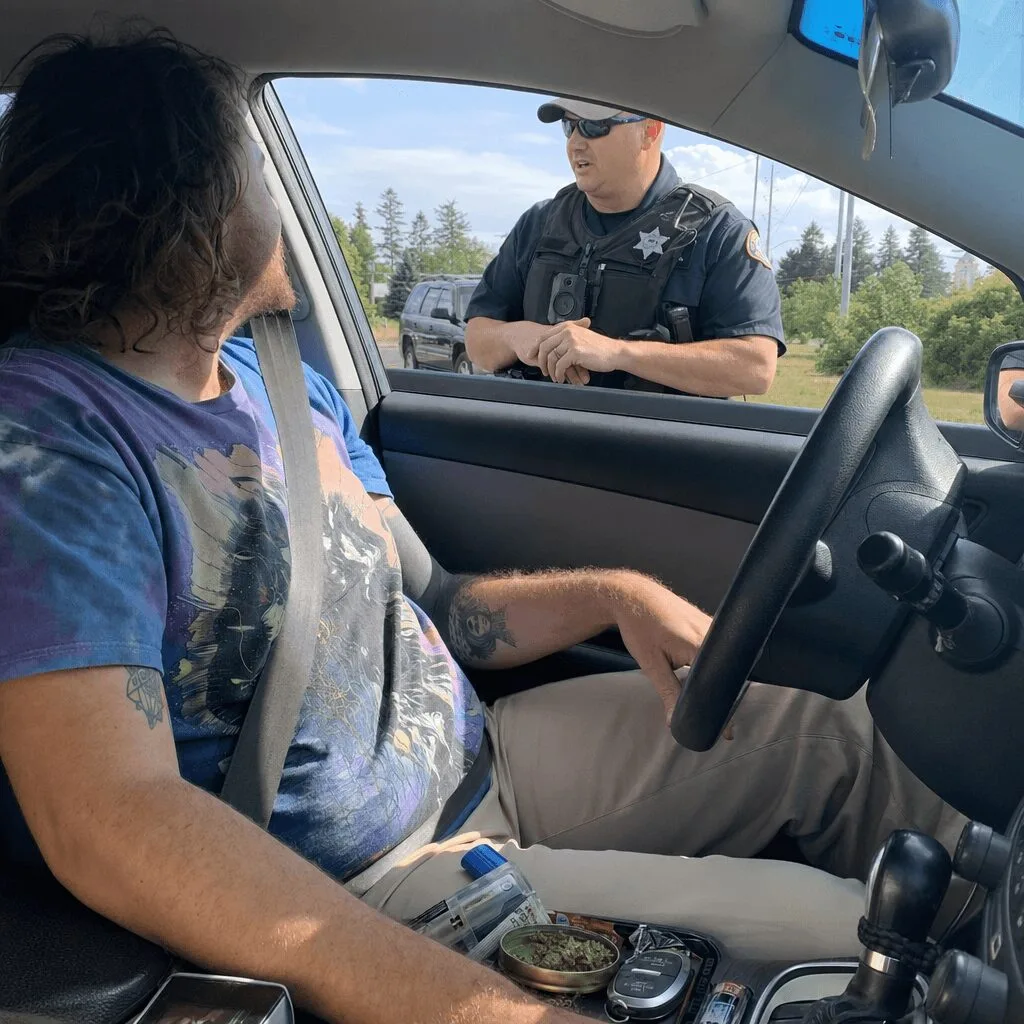
Marijuana Odor Vehicle Searches: Michigan Court Shakes Things Up
The topic of marijuana odor vehicle searches in Michigan has never been hotter. Recent court updates have ignited debate on personal privacy, police procedures, and cannabis rights. With more folks using cannabis and laws evolving, knowing your rights during roadside encounters isn’t just smart—it’s essential. Let’s break down why the state’s recent moves on this front matter for Michigan drivers, cannabis fans, and law enforcement alike. Buckle up: these changes are reshaping how the scent of cannabis impacts traffic stops in 2024.
Background: Michigan’s Cannabis Landscape and Search Laws
Since Michigan legalized recreational cannabis, local and state policies have raced to keep up with market realities. Current laws state that adults over 21 can legally possess and use cannabis (Michigan Cannabis Regulatory Agency), but the rules around driving and possession in vehicles remain complex. For years, the mere smell of cannabis during a traffic stop was often seen as probable cause for police to conduct a vehicle search. This left many drivers in a haze of uncertainty, especially as the marijuana odor vehicle searches policy blurred the lines between legal use and unlawful possession. National industry experts and civil rights groups have questioned whether odor should be enough to override privacy rights, citing a growing body of evidence as more states legalize cannabis (NORML). In other regions, police-community interactions around cannabis possession have sparked heated local debate, not unlike the recent controversies in Warren County surrounding cannabis-linked charges, further illustrating the patchwork of enforcement standards in the U.S.
Key Developments: What the Michigan Court Changed
After a long legal back-and-forth, Michigan’s Court of Appeals delivered a major opinion in July 2024. According to their findings (as reported by WTVBAM), the simple odor of marijuana detected by police during a traffic stop is no longer an automatic green light for searching a vehicle. The decision came after multiple incidents where otherwise law-abiding cannabis users had their cars searched simply because of marijuana smell. The ruling makes it clear, marijuana odor vehicle searches require additional, specific evidence before a cop can go through your glovebox. This legal clarification aims to protect recreational users from unnecessary invasions of privacy while still letting law enforcement address real signs of intoxication or criminal activity. Similar discussions on justice and cannabis have emerged nationwide, as seen with the implications for local rights and community standards in recent grand jury indictments and cannabis rights.
Expert Analysis: Impact and Broader Cannabis Trends
Let’s get real, the implications here ripple far beyond Michigan’s highways. As MJBizDaily reports, limiting marijuana odor vehicle searches directly impacts how police interact with cannabis consumers nationwide. Attorney and cannabis advocate, Daniel Short, put it bluntly: “This ruling recognizes what legalization actually looks like on the ground, grown-ups using cannabis responsibly shouldn’t be treated like suspects just for enjoying pungent products.” Industry insiders point out that these sorts of court decisions not only guide law, but also influence how brands, dispensaries, and the public approach transportation, packaging, and marketing. The tide is turning toward protecting civil liberties while closing loopholes that disproportionately impact marginalized communities. Local arrest reports continue to demonstrate how evolving laws and enforcement shape community awareness and cannabis culture, just like the patterns highlighted in the latest SWLA July arrest summaries.
Outlook: What’s Next for Michigan and the Industry?
Looking ahead, the Michigan ruling on marijuana odor vehicle searches stands as a beacon for states navigating the evolving relationship between cannabis use and law enforcement. Consumer education, updated officer training, and more nuanced guidelines are all set to follow. As reported by Leafly, growing social acceptance and steady regulatory improvements continue to drive more respectful, equitable cannabis policy nationwide. For Michigan drivers, know this: your rights just got a little stronger, and the cannabis industry is backing a smarter, safer road ahead. Stay tuned—these shifts are just the beginning of a new chapter in responsible cannabis use and criminal justice reform.
Originally reported by: wtvbam.com