


DUI Checkpoint Marijuana: What San Diego Drivers Must Know
In 2024, the reality of legalized cannabis meets everyday driving in San Diego. With summer events booming and cannabis normalization at its peak, local law enforcement is recalibrating roadside operations. If you’re a medical patient, daily consumer, or just exploring California’s green freedoms, understanding the ins and outs of DUI checkpoint marijuana protocols is more important than ever. From detection technology to evolving social attitudes, here’s what’s shaking up the streets—and why all San Diegans need to stay informed.
The Legal and Regulatory Landscape: Why DUI Checkpoint Marijuana Checks Matter
Cannabis legalization shifted more than social dynamics in California, it’s reshaping public safety and law enforcement practices. According to the California Department of Public Health, responsible cannabis use is legal, but driving impaired remains strictly prohibited. In San Diego, patrol units coordinate with the San Diego County Sheriff’s Department to enforce a zero-tolerance DUI policy, regardless of substance. New state funding means more frequent DUI checkpoint marijuana operations that now target both alcohol and cannabis impairment. These initiatives, informed by public safety data, seek to balance the freedom of adult-use marijuana with the community’s responsibility for safe roadways. As social acceptance continues to grow, emerging research—such as recent findings connecting cannabis use to everyday stress—demonstrates how legal frameworks are striving to keep pace, making accurate and fair roadside assessments a top priority. For more on how marijuana impacts daily life, see insights from the Marijuana Stress Study.
Key Developments: New DUI Checkpoint Marijuana Initiatives in Poway and Beyond
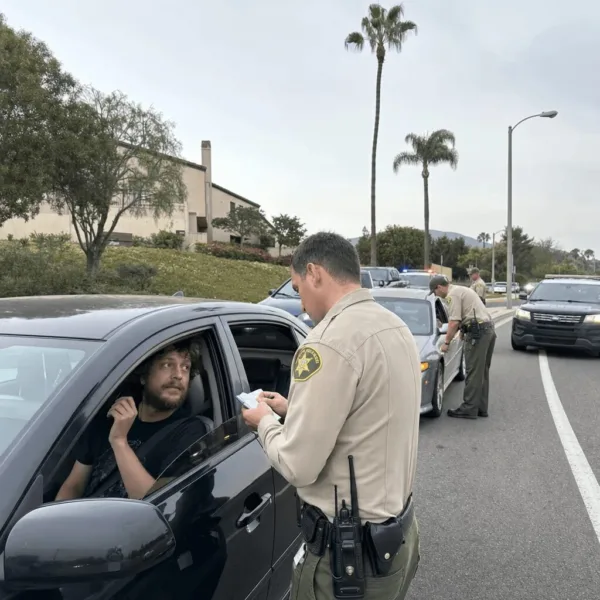
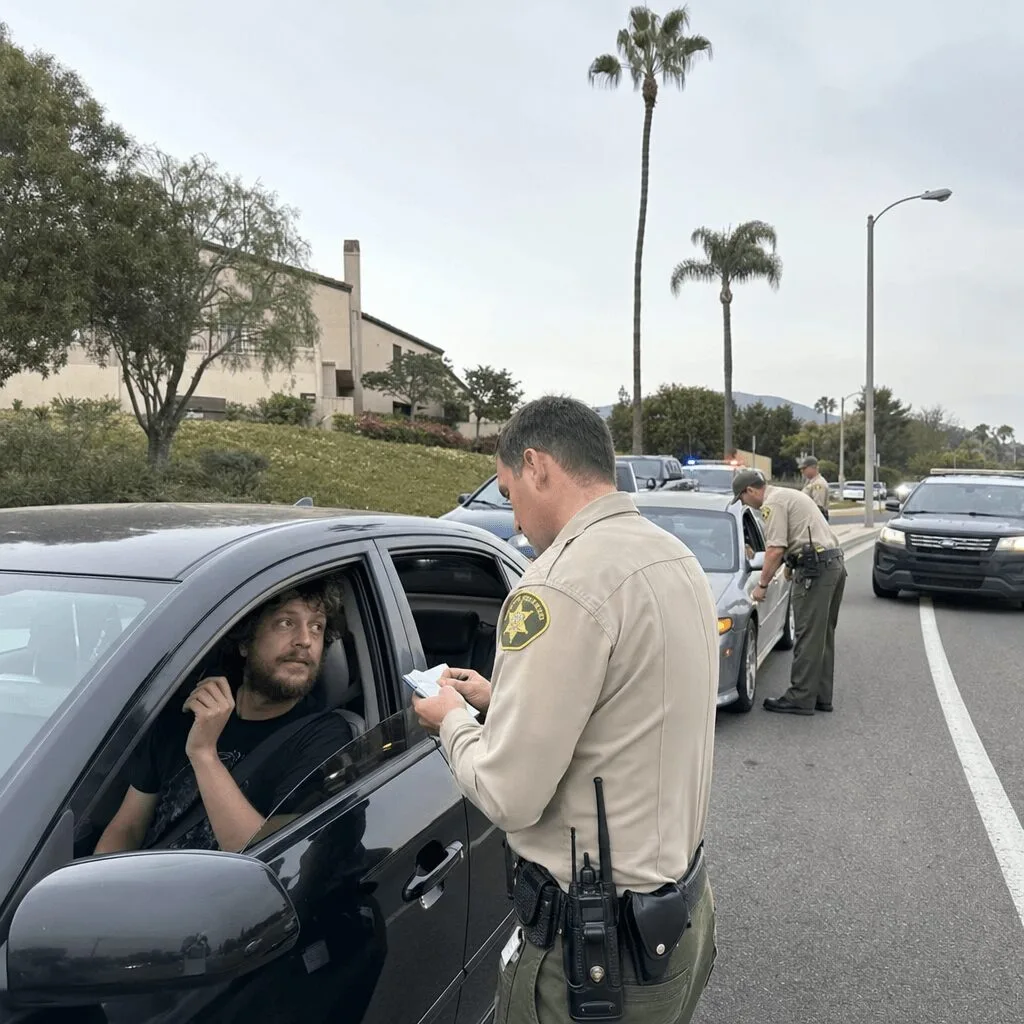
1785063846 brings a heightened wave of roadside safety operations, especially in suburban Poway, San Diego. According to a recent update from the San Diego County Sheriff’s Department, modern DUI checkpoint marijuana enforcement involves both public education and high-visibility checkpoints. Deputies, trained in advanced detection protocols, are now equipped to spot signs of cannabis impairment, ranging from the presence of vape pens or rolling papers in cars to subtle behavioral cues. These checkpoints are strategically announced beforehand for maximum deterrence, especially during weekends when cannabis and alcohol use peak. Additionally, techniques for field sobriety testing are evolving: although there is still no standardized roadside cannabis detection device legally required, officers rely on Drug Recognition Experts (DREs) and new field saliva test kits reviewed by NHTSA. Program growth is mirrored in evolving national trends, including new funding streams supporting substance use disorder resources in other states, as seen with Missouri’s cannabis SUD grant program. Anyone stopped at a DUI checkpoint marijuana operation is asked a range of questions about recent use, and visible cannabis-related items may prompt further scrutiny. The Sheriff’s Department also emphasizes fairness, transparency, and protecting patient rights, while addressing impaired driving risks in real time.
Expert Analysis, Insights, and a Pro-Cannabis Perspective
For regular cannabis users in San Diego, the rise in DUI checkpoint marijuana stops brings a mix of anxiety and opportunity. On one hand, unfair roadside judgments remain a risk, especially given the lingering stigma. As Leafly reminds us, there is still no universally accepted roadside standard for cannabis impairment; measurable THC does not equal intoxication. “Cannabis affects everyone differently, and blood THC levels aren’t reliable indicators of impairment,” notes Dr. Nick Morrow, a retired California law enforcement expert and cannabis policy advocate. Legal patients in possession of cannabis products remain protected under state law—provided they are not driving impaired. Amid these legal shifts, stories from the cannabis community, including news about local enforcement such as the Hiawatha Drug Arrest, further illustrate the conflict between public safety and personal freedom. The conversation is shifting, though, with groups like NORML advocating for smarter, science-backed protocols. Industry insiders also highlight the opportunity: these checkpoints can serve as teachable moments, raising awareness of responsible cannabis use and safe driving habits. Ultimately, the balance relies on mutual respect between law enforcement and responsible cannabis consumers.
The Road Ahead: Evolving Policy and the Cannabis Community in 2024
San Diego’s approach to DUI checkpoint marijuana enforcement in 2024 reflects both modern realities and evolving sensibilities. As regulators, advocates, and law enforcement continue to collaborate, expect better training, smarter testing methods, and a shift towards fair, rights-respecting stops. Social acceptance of cannabis is only trending upward—Pew Research reports 89% of Americans now support some form of legality. For drivers, the key is to know your rights, stay informed about checkpoint practices, and always prioritize safety—because responsible cannabis enjoyment includes responsible driving. As the journey continues, California’s evolving framework points towards a future where the risks of DUI checkpoint marijuana stops are balanced with the freedoms cannabis consumers fought so hard to earn.
Originally reported by: joinsdsheriff.net