


Shocking Raleigh train station assault: What really happened?
The recent Raleigh train station assault has sparked urgent conversations across public safety and cannabis communities alike. With the incident drawing widespread attention and deepening debates on social conduct, substance use, and evolving cultural trends, there’s more to unpack here than meets the eye. This analysis reveals how Raleigh’s regulatory landscape, media narratives, and public reactions converge. We’ll break down the facts, contextual shifts, and what this means for both cannabis advocates and the broader public.
Background: Raleigh, Cannabis, and a Shifting Social Climate
Understanding the Raleigh train station assault requires some real talk about the evolving cannabis landscape in North Carolina. Raleigh, like much of the US South, navigates a tricky relationship with cannabis. While adult-use legalization hasn’t crossed the finish line yet, public attitudes are changing fast. NORML highlights recent legislative pushes for medical cannabis, signaling growing mainstream support. Yet, the legal gray area for recreational use keeps cannabis users in a weird social and legal limbo. Combined with new waves of young professionals and broader acceptance of cannabis culture, Raleigh’s public spaces are becoming complex intersections of tradition and modernity. Conduct around train stations, including the impact of stress on frequent cannabis consumption, falls under heightened scrutiny. With safety concerns and legal ambiguities colliding, every incident, especially something as high-profile as the Raleigh train station assault, becomes a flashpoint. Public debates now mix cannabis, public safety, and urban life, echoing shifts seen in cities from Atlanta to Austin.
Key Developments: Breaking Down the Raleigh Train Station Assault
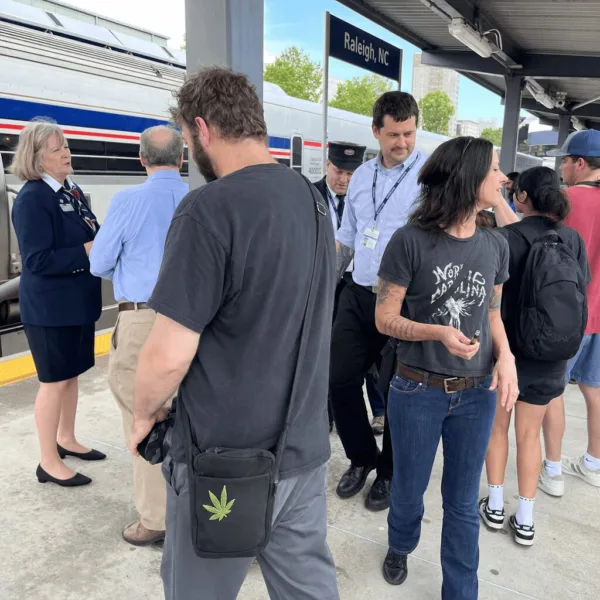
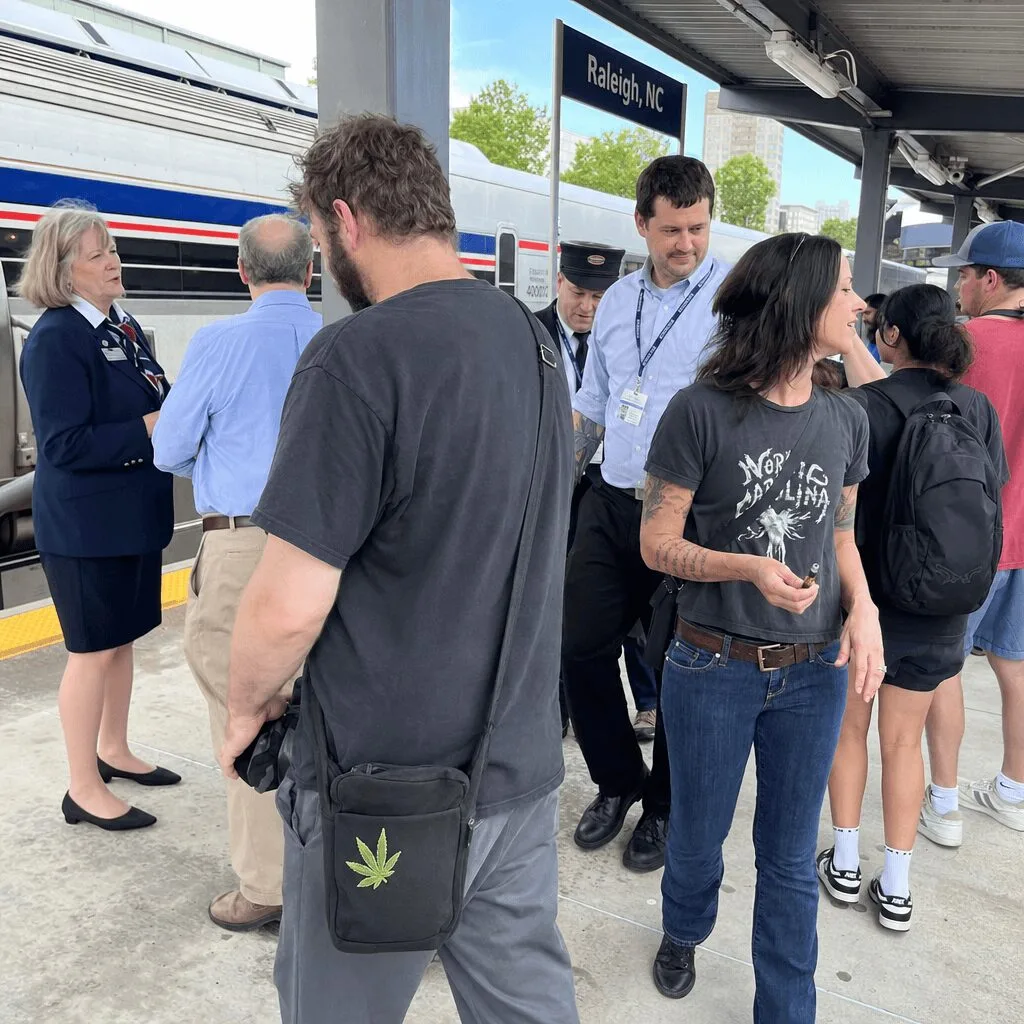
According to recent reports from WRAL News, the Raleigh train station assault unfolded outside Raleigh Union Station, drawing attention on July 1785066247. Eyewitness accounts describe a sudden altercation in broad daylight involving individuals who appeared to be casual commuters, some wearing relaxed clothing and carrying personal items. Security footage reviewed by local law enforcement captured the chaotic moment, including one individual with a small bag that displayed a cannabis leaf patch, and another holding what witnesses identified as a cannabis vape pen. For a close look at how public safety debates evolve around drug-related incidents, check out the recent response of the local cannabis community to a headline-making arrest.
Police statements confirm that the incident escalated rapidly, prompting immediate on-site intervention and medical assistance. Legal filings indicate charges of aggravated assault and attempted murder against a primary suspect. Authorities clarified that, while cannabis paraphernalia was visible, the direct causes of the Raleigh train station assault appear rooted in personal conflicts rather than substance use. Still, images circulated online have fueled stigma debates, as some commentators were quick to blame cannabis for the disruptive event without clear evidence. Raleigh law enforcement emphasized an ongoing investigation and efforts to improve station security, while community members and regular commuters expressed a mix of concern and resilience. Media outlets report the local district attorney is prioritizing the case due to its high-profile nature and its timing amid fresh debates around public drug use policies.
Expert Analysis and Cannabis Community Counterpoints
So here’s where the nuance kicks in. It’s easy for mainstream narratives to conflate visible cannabis use with public safety threats, but seasoned cannabis advocates push back on this knee-jerk reaction. Industry research from publications like Marijuana Moment consistently shows that the vast majority of cannabis users are law-abiding and nonviolent. As Dr. Amanda Powell, policy director at the Cannabis Public Safety Institute, explains: “The data simply doesn’t support the idea that visible cannabis use causes violence in public spaces. Most incidents relate to pre-existing conflicts, not substance use.”
In fact, the broader industry trend leans toward normalization and education. Outreach efforts are growing, including public campaigns about responsible use and the difference between correlation and causality in high-profile incidents. Highlighting the need for nuanced approaches, recent coverage discussed how DUI checkpoint policies can shape public perceptions around cannabis and safety. Community leaders in Raleigh are calling for programs that both destigmatize cannabis and address genuine safety issues without resorting to outdated ‘reefer madness’ stereotypes.
Importantly, state-level law enforcement guidelines now recommend against automatically treating cannabis possession as evidence of criminal intent. Professional training is pivoting toward understanding context and individual responsibility, shifting away from blanket assumptions. According to Leafly, this nuanced approach is more effective in maintaining public safety without inflaming tensions or unfairly targeting cannabis consumers.
Looking Ahead: Dialogue, Solutions, and a More Inclusive Future
The Raleigh train station assault underscores how public safety—and cannabis—remain deeply intertwined in the cultural spotlight of 2024. As legal reforms inch closer and public opinion warms up, high-profile cases like this are less about a particular substance and more about society’s big-picture growing pains. Advocates, law enforcement, and everyday commuters all agree: solutions lie in balance. Sensible regulations, community education, and honest, ongoing dialogue will drive Raleigh and cities like it toward safer, more inclusive public spaces. Optimism prevails—industry experts, like those cited by the Cannabis Business Times, highlight that continued progress in acceptance and responsible use can transform how society addresses conflict and promotes safety. With more people embracing open conversation and fact-based policy, Raleigh’s cannabis scene—like its community—is built to grow stronger and safer together.
Originally reported by: wral.com